
Shoe Guides
How to Break in Leather Shoes Without Destroying Your Feet
Aug
There is a ritual in my family: new leather shoes mean a week of suffering. My father broke in every pair with band-aids and stubbornness, and I did the same until I realized the process does not have to hurt. Breaking in leather is about slowly stretching the hide to match your foot, and if it hurts, you are doing it wrong, or you bought the wrong size. Both are fixable, and neither requires a single day of limping.
Good leather shoes are stiff when new because quality leather is thick and the construction is tight. That stiffness is a feature: it means the shoe will hold its shape for years. The goal of breaking in is to soften the leather where it needs to flex, at the toe, the ball of the foot, and the heel, without stretching it where it should stay firm. Here is the system I use now, the one that turns stiff shoes into favorites without the blood.
Why Some Shoes Need Breaking In (and Some Don’t)
The stiffness comes from the leather itself and the construction. Full-grain leather, the good stuff, is thick and fibrous, and it needs time and moisture to soften. Suede and nubuck break in faster because the surface is already napped and flexible. Glued synthetic shoes barely need breaking in because they are soft from day one, which is why they feel comfortable in the store and dead within a year. The softness you feel in a cheap shoe is not a benefit, it is the material giving up early.
The other factor is fit. A correctly fitted leather shoe is snug at first and becomes perfect after breaking in, because leather stretches about a quarter to a half size with wear. A shoe that is painful from day one is not a breaking-in problem, it is a sizing problem, and no amount of suffering will fix it. If your toes are crushed or your heel slips badly, return the shoe. Breaking in refines the fit, it does not create it, and that distinction has saved me hundreds of dollars.
The Wrong Ways People Break In Shoes
Let me list the things I have seen people do, and some I did myself. Wearing new shoes all day at a wedding or a long walk: terrible idea. You get blisters, and the leather stretches unevenly because it is being stressed while wet with sweat. Soaking shoes in water to soften them: this works about as well as it sounds, which is to say it warps the shape and ruins the leather. Blasting them with a hairdryer while wearing them: a great way to burn your feet and dry out the leather until it cracks.
The microwave and freezer tricks you read about online? Do not. Leather is an organic material, and violent temperature changes damage the fibers permanently. The slow method takes longer, but it works every time, and it does not ruin the shoe. There is no shortcut that ends well, and I say that as someone who tried most of them so you do not have to.
The Slow Method That Works
Start with conditioning. Apply a light leather conditioner before the first wear, let it soak in overnight, and the fibers soften from the inside. Then wear the shoes for short sessions: an hour at home, a short walk to the shop, an afternoon at your desk. Two hours is the daily maximum for the first week. Between wears, use cedar shoe trees, which hold the shape, absorb moisture, and gently stretch the leather outward as it dries. This is the cheapest tool in the whole process and the one most people skip.
Target the tight spots deliberately. The classic problem areas are the heel counter, the toe box, and the instep. For the heel, wear thick socks with the shoes for an hour at home and walk around; for the toe box, stuff them firmly with newspaper overnight; for the instep, use a shoe stretcher with the instep attachment, which costs about twenty dollars and saves you from a lifetime of pinched feet. Warm the leather slightly with your hands or by wearing them, never with direct heat, before stretching, and it will give more easily.
Tools That Help, and When to Quit
A cobbler is not defeat. If a pair is still painful after two weeks of the slow method, take them to a professional, who can stretch specific spots with a professional stretcher, often in a day. I have rescued several pairs this way, including one gorgeous pair of oxfords that only needed the toe box stretched a few millimeters. That was the difference between a pair I wore for a decade and a pair I would have abandoned in a closet.
And know when to quit: if the shoe pinches at the widest point of your foot, the ball of the foot, no stretcher will save it, because that is a size problem, not a stiffness problem. Return or resell it and buy the half size up. Breaking in should be a short, gentle process, not a test of endurance. Your feet will thank you, and so will the shoes, because a shoe broken in properly is a shoe worn for years.
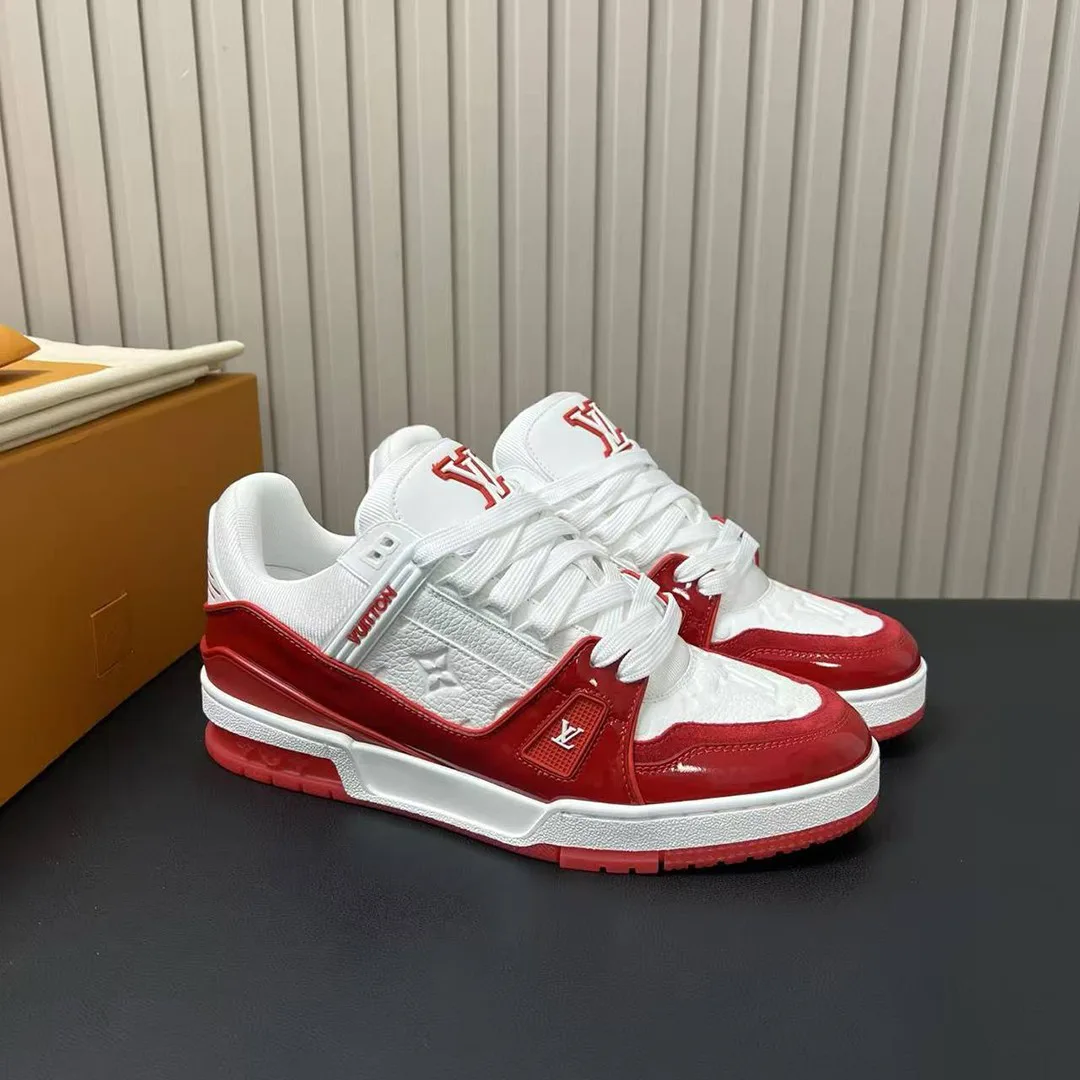
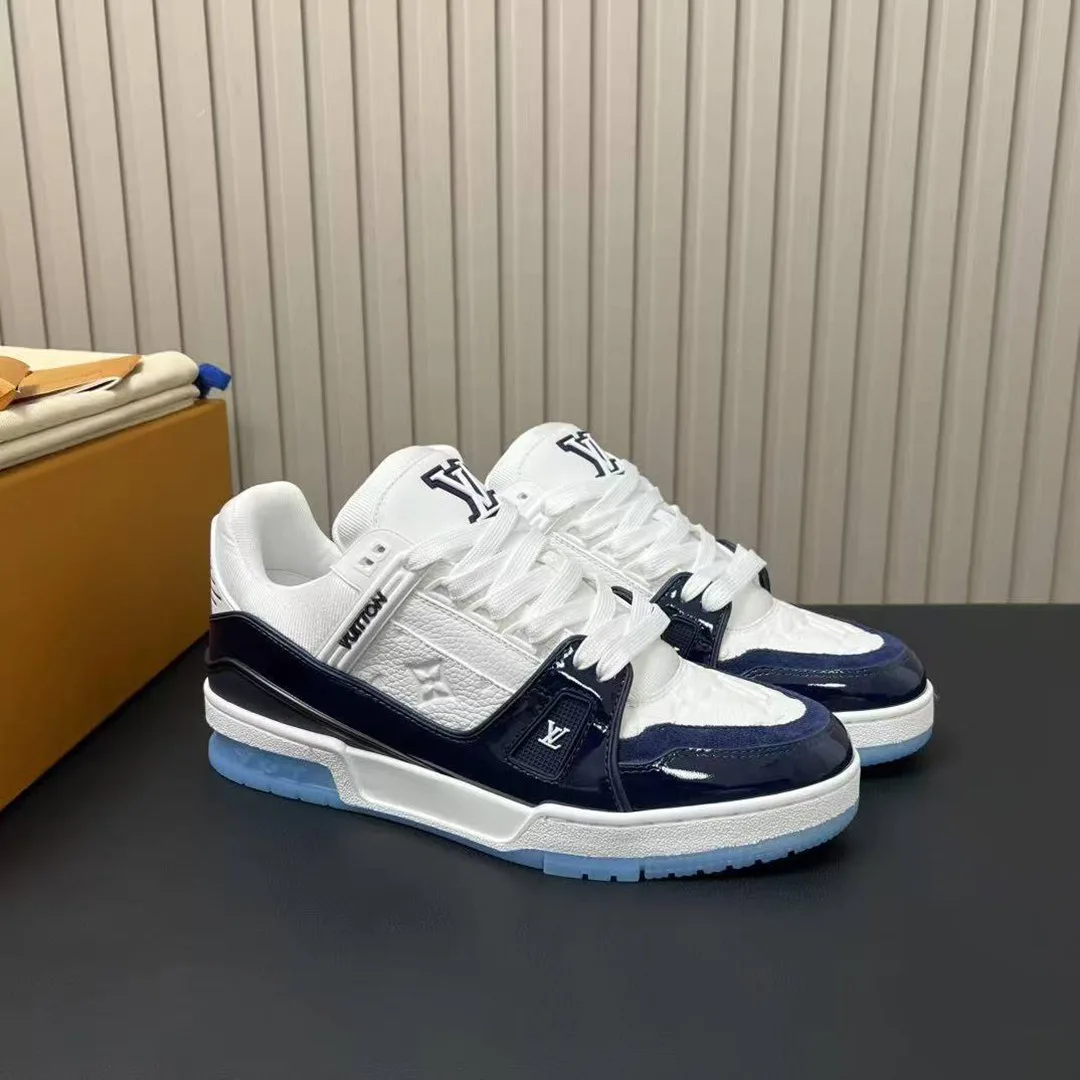
Ready to start with the right pair? Browse our designer-inspired shoe collection and break in something worth keeping.
For more on the craft behind quality leather footwear, The Business of Fashion covers the brands and makers shaping the industry.
Related reading: The Complete Shoe Buying Guide: How to Choose Shoes That Fit & Last · The Complete 101 Buying Guide · Buying Shoes for Wide Feet: What Actually Fits · The Best Leather Shoes for Commuting: Comfort That Lasts the Day
For the industry perspective, Footwear Distributors and Retailers of America publishes regular updates on this space.