
Shoe Guides
Buying Shoes for Wide Feet: What Actually Fits
Aug
I have wide feet, and I have spent most of my life pretending I did not. I squeezed into regular-width shoes, sized up until my heels slipped, and blamed my feet for the pain, the blisters, and the bunions that were forming. Then a salesperson who actually knew what she was doing measured me, brought out a wide-width pair, and asked me to walk. The difference was not subtle. It was like the shoe had been made for me, because it had been, in the width my foot actually is.
Wide feet are not rare, roughly a third of adults have them, but the shoe industry treats them like a niche. That means you have to shop differently: you have to know your width measurement, you have to know which constructions actually fit wide feet, and you have to ignore the size numbers and trust the fit. Here is what works, from someone who has been through the whole painful process and come out the other side with shoes that fit.
Why Wide Feet Are a Different Buying Problem
The problem with wide feet is not finding shoes that are wide, it is that most shoes are built on a standard last, and a standard last is narrow. When you squeeze a wide foot into a narrow shoe, your foot does not shrink, the shoe distorts. The toe box pinches, the sides bulge, the sole twists, and the shoe wears out crooked. That is why wide-footed people go through shoes faster: the shoe is fighting your foot the whole time, and the fight damages both of you.
Sizing up does not fix it either. A size up is longer, not wider, so you end up with a shoe that is too long and still too narrow, with your heel slipping and your toes still crushed. This is the trap almost every wide-footed person falls into, and it is why I wrote this guide: measure the width, and buy the width, not the length. The number on the box was never the problem, the width was, and no amount of length fixes width.
How to Measure Width Properly
Width is measured around the ball of your foot, the widest part, and it is expressed as a letter: B is narrow, D is regular for men and wide for women, EE and EEE are wide, and EEEE is extra wide. To measure at home, stand on a piece of paper with your weight on the foot, trace around it, and measure the widest point. Compare that to the brand’s width chart, because unlike length, width is not standardized across brands at all. One brand’s wide is another brand’s regular, which is infuriating and entirely normal.
Measure both feet, because they are often different widths too, and measure at the end of the day. Feet swell, and a width that fits at nine in the morning will pinch by dinner. If you are between widths, buy the wider one and use an insole to take up the extra room, because you can always add volume, but you cannot add width. That one sentence, learned the hard way, has saved me more money than any sale I have ever found.
The Shapes and Constructions That Fit Wide Feet
Some shoe styles are naturally friendlier to wide feet. Round-toe and almond-toe shapes give your toes room to spread, while pointed toes are the enemy, and I say that as someone who loved pointed shoes and paid for it. Lace-up styles, derbys especially, adjust across the instep, which makes them more forgiving than slip-ons. Moccasin constructions, where the leather wraps around your foot, stretch and conform beautifully. And unlined leather shoes mold to your foot faster than lined ones, which matters when you need every millimeter.
Leather itself is the wide-footed person’s friend, because it stretches. A good leather shoe in the correct width will mold to your foot within weeks and become more comfortable, while a synthetic shoe will not give an inch. Buy leather, buy the right width, and let the material do the work. This is also why I recommend wide-footed buyers shop brands that publish width options openly, and buy from stores with free returns, because fit can only be truly tested on your own foot, at the end of your own day.
Sizing Up vs Going Wide: The Trap, and the Payoff
Here is the rule that changed everything for me: if a shoe fits your length but pinches your width, it is the wrong shoe, not the wrong size. Never size up to fix a width problem. The extra length will make your foot slide forward, which jams your toes into the toe box, which makes the width problem worse, and your heel will slip, which causes blisters. Go wide, or go home, as the saying should go. I broke this rule for a decade and have the abandoned shoes to prove it.
The payoff is that shoes finally last. My wide-fit leather shoes, worn in rotation, have outlasted every pair of stretched-out regular-width shoes I ever owned, and they have not given me a single blister. If you have wide feet, stop fighting your footwear and start measuring. The right width exists, it is just hiding behind a size number, and once you find it, you will wonder why you suffered for so long.
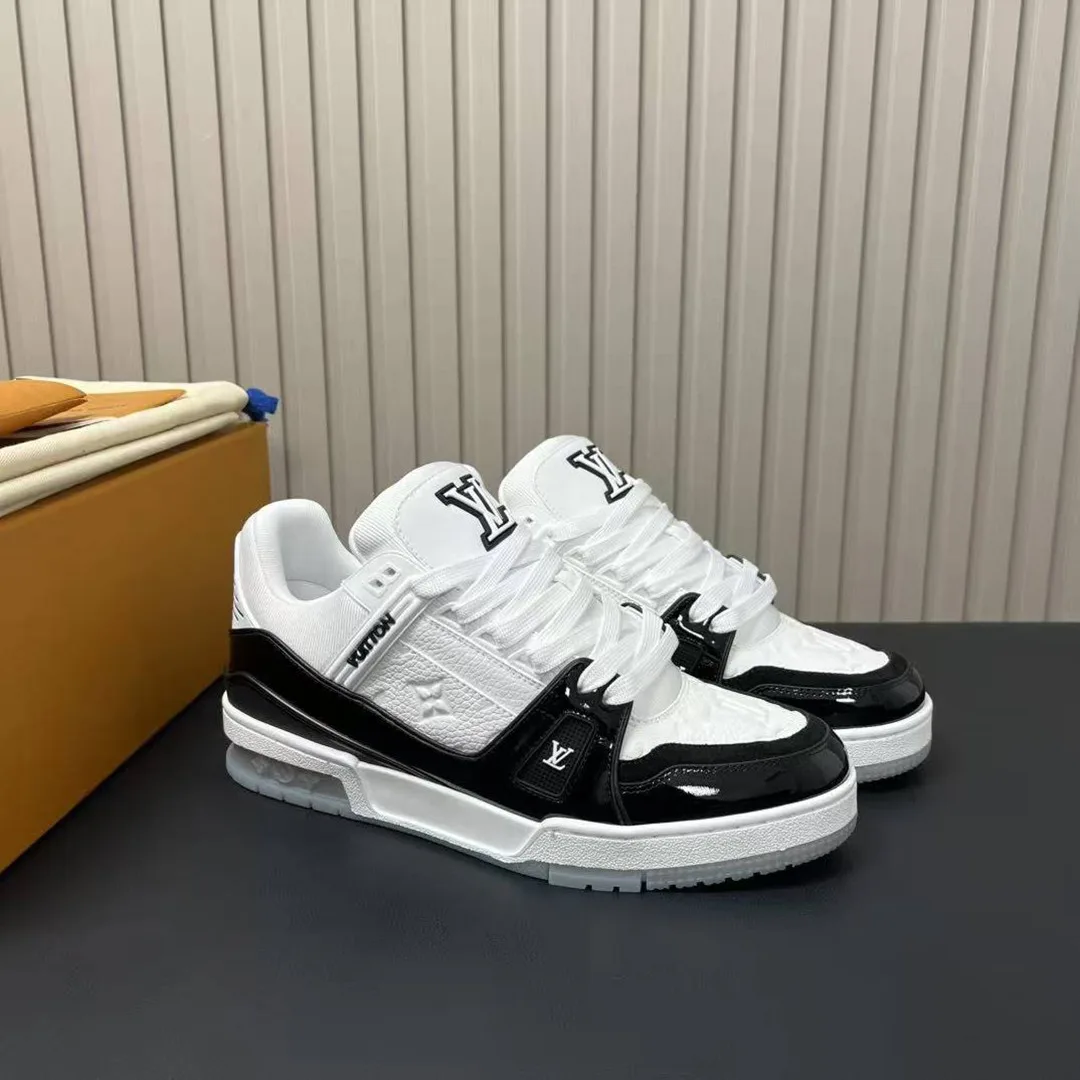
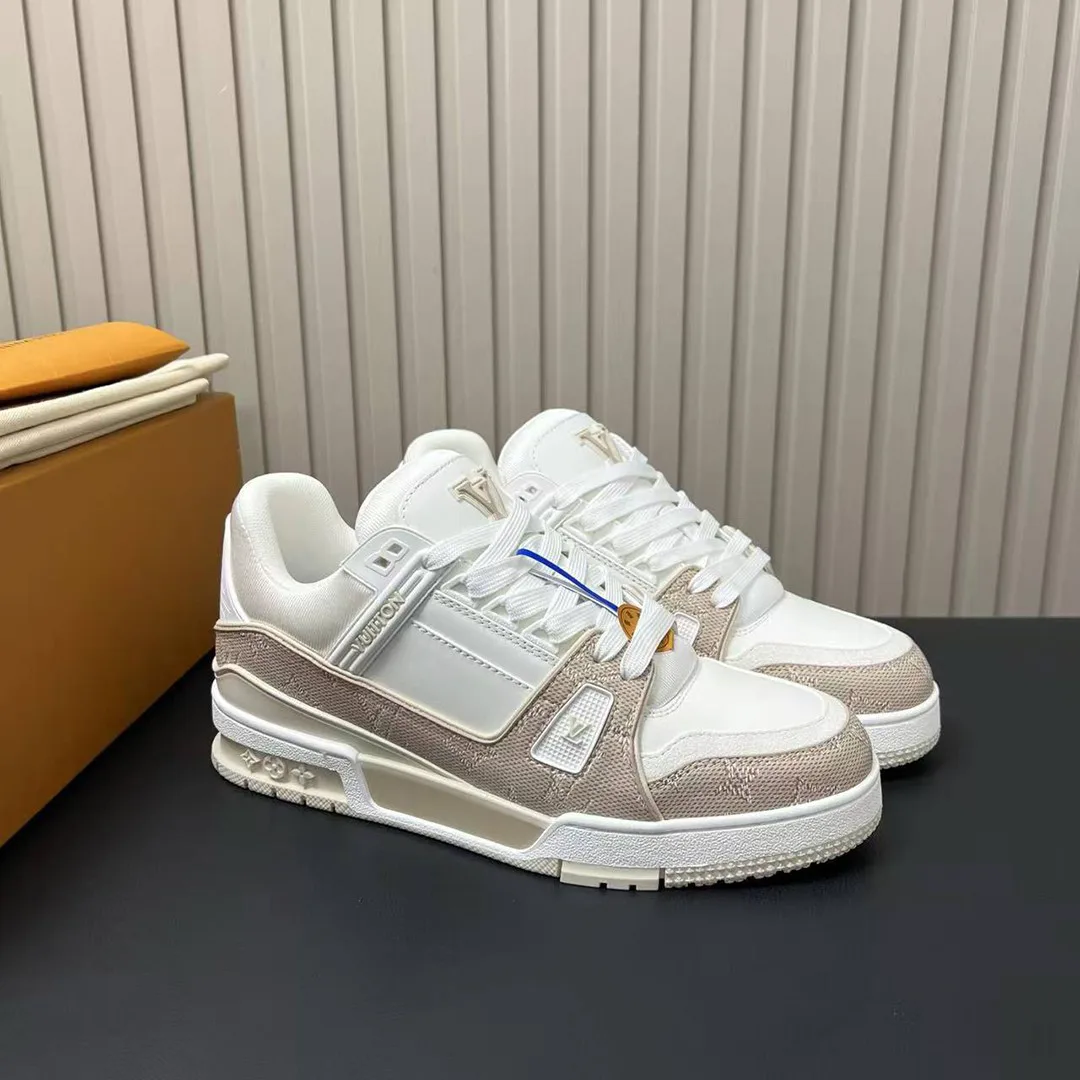
Ready to find shoes that actually fit? Browse our designer-inspired shoe collection and see the difference the right fit makes.
For more on how the industry is finally taking inclusive sizing seriously, Vogue Business covers the brands leading the change.
Related reading: The Complete Shoe Buying Guide: How to Choose Shoes That Fit & Last · The Complete 101 Buying Guide · The Best Leather Shoes for Commuting: Comfort That Lasts the Day · Loafers vs Oxfords vs Derbys: Which Formal Shoe Is Right?
For the industry perspective, Footwear Distributors and Retailers of America publishes regular updates on this space.