
Shoe Guides
The Best Leather Shoes for Commuting: Comfort That Lasts the Day
Aug
My commute is forty minutes on foot each way, and for two years I wore it out in the wrong shoes. I bought sharp-looking leather shoes that looked fantastic in the office and punished me on the pavement, then I swung the other way and wore sneakers that felt great but looked wrong for client meetings. The answer, it turns out, was not one pair. It was learning what a commute actually demands from a shoe, and then buying leather shoes built for that job.
A commute is the hardest thing most shoes will ever do. It is not the distance, it is the combination: hard pavement, unpredictable weather, standing on trains, and then eight hours of sitting followed by the walk home. Commuter shoes need to do all of that and still look like real shoes. Here is what I look for now, after more failed pairs than I care to count, and it applies whether you walk ten minutes or an hour.
What a Commute Does to a Shoe
Pavement is brutal on soles. The constant flexing at the ball of the foot, the heel strike on concrete, and the tiny grit that acts like sandpaper all wear shoes down faster than any office floor ever will. A dress shoe with a thin leather sole and no tread will be slippery on wet pavement and worn through in months. I learned this the expensive way, with a beautiful pair of leather-soled oxfords that needed resoling after one winter of city walking.
Commuting also punishes the upper. Rain, salt in winter, and the constant bending at the toe crease all stress the leather. That means the leather quality matters more for a commuter than for someone who drives everywhere, because cheap leather will crack at the crease while full-grain leather just develops a patina. And then there is the sweat factor: a forty-minute walk in summer is a workout, and shoes that cannot breathe will smell like it by Friday.
The Leather and Construction That Survive
For commuting, I want full-grain or high-quality top-grain leather, full stop. It resists water better, stretches less, and handles constant flexing without cracking. I also want a leather lining, because a synthetic lining traps sweat, and after a forty-minute walk in summer, you will smell the difference. There is no way around it, and it is the detail most commuters discover only after ruining a pair.
Construction matters as much as the hide. Look for a sole that is stitched or welted rather than purely glued, because glued soles fail first on commuters, and look for a rubber sole with real tread rather than a slick leather sole. If you want the classic look, a leather sole with a rubber top piece, the little insert at the heel, gives you style where it shows and grip where it matters. Heel and arch support matter too, since you will be standing on trains and walking on hard ground: a shoe with a supportive heel cup and a slight rock in the sole makes the day easier than a completely flat shoe.
My Picks by Commute Style
If you walk less than fifteen minutes and mostly sit, a welted derby or oxford with a rubber top piece is ideal. It reads professional, holds up for years, and the construction lets you resole it when the pavement finally wins. I keep a pair of dark brown derbies for exactly this, and they have outlasted three pairs of glued alternatives that looked identical on day one.
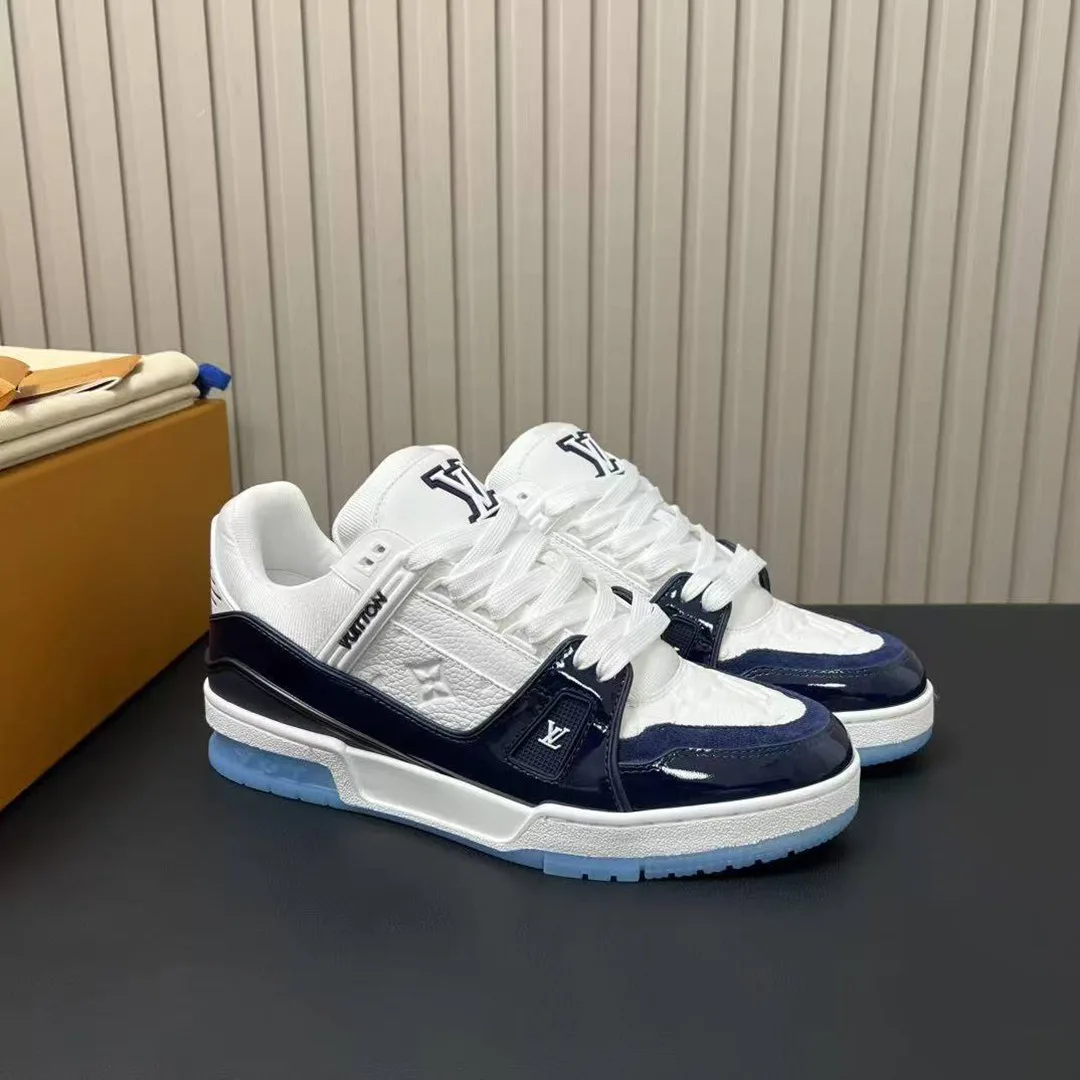
If you walk more than half an hour, look at a leather sneaker with a stitched sole or a chunky-soled derby. Modern leather sneakers in white or black with a proper rubber sole handle long walks beautifully and still look put together with chinos or jeans. For the full office day, the winner is often a chelsea boot: no laces to deal with, ankle support, a sole with actual grip, and it looks right with a suit or with jeans. Rotate two pairs if you can, because leather needs a day to recover, and a rested pair walks better and lasts twice as long.
Whatever you choose, buy late in the day, wear the socks you will wear to work, and walk more than a lap in them before deciding. A commuter shoe that is not comfortable on minute one will be unbearable by week two, and returns are easier than blisters. Your commute is not going anywhere, so your shoes should not either.
Ready to upgrade your commute? Browse our designer-inspired shoe collection and find the pair that carries the whole day.
For a look at how footwear retail is responding to everyday and commuter demand, Retail Dive tracks the industry news that matters.
Related reading: The Complete Shoe Buying Guide: How to Choose Shoes That Fit & Last · The Complete 101 Buying Guide · Buying Shoes for Wide Feet: What Actually Fits · Loafers vs Oxfords vs Derbys: Which Formal Shoe Is Right?
Industry data and professional guidance from Footwear Distributors and Retailers of America support this view.