
Shoe Guides
Loafers vs Oxfords vs Derbys: Which Formal Shoe Is Right?

Aug
I once showed up to a wedding wearing oxfords while the groom wore loafers, and spent the whole night convinced I had committed a fashion crime. I had not, but the confusion is real: formal shoes look similar from a distance and behave very differently up close. Loafers, oxfords, and derbys are the three pillars of formal footwear, and knowing which one to wear where is half of looking like you know what you are doing.
The differences come down to lacing, silhouette, and formality. Oxfords are the strictest, derbys are the friendlier cousin, and loafers are the rule-breaker. Each has a place, and most men need at least one of each. Here is how I think about them, after years of wearing all three, and after making every mistake you can make with them.
The Oxford: The Closed-Lace Formal Standard
The oxford is defined by closed lacing: the eyelet flaps are stitched underneath the front of the shoe, so when you lace it, the two sides meet in a clean V. That construction makes the shoe sleek, tight, and unmistakably formal. It is the default for black-tie events, weddings, interviews, and any occasion where the dress code says suit and tie. If you own exactly one formal shoe, it should be a black oxford, and you will never regret that choice.
The trade-off is comfort and fit. Closed lacing means the shoe fits snugly across the instep, which looks elegant and feels firm, and it is less forgiving for high insteps or wide feet. Oxfords also need a proper break-in, and they are best in leather with a leather or studded rubber sole. My black oxfords have been to more weddings and funerals than I can count, and they still look better than shoes twice their price, because the silhouette never goes out of style. Formal does not mean boring, it means precise.
The Derby: The Open-Lace Workhorse
The derby has open lacing: the eyelet flaps sit on top of the shoe and are not stitched underneath, so the lacing area is more relaxed and adjustable. That single construction detail makes the derby roomier across the instep, easier to fit, and more comfortable for long days. It is also slightly less formal than the oxford, which is exactly why it is the smarter daily choice. The derby is what you wear when the oxford would be overdressed.
Derbys are the shoe I recommend for most men most of the time. They work with suits in a pinch, they shine with chinos and jeans, and they fit a wider range of feet without a brutal break-in. A brown derby is the most versatile shoe in a man’s wardrobe, full stop. I have a pair of dark brown derbys that I have worn for everything from client meetings to airport days, and they have earned their resoling twice over. If you buy one pair of shoes this year, make it a derby.
The Loafer: The Slip-On Middle Ground
Loafers have no laces at all, just a slip-on design with a strap or a moccasin-style upper. That makes them the most casual of the three, and also the most convenient. A leather loafer in a dark color is acceptable for business casual, most offices without a strict dress code, dinners, and events where a suit is optional. A suede loafer is more relaxed again, and it is the shoe of choice for anything short of formal. Nobody ever regretted owning a good pair of loafers.
The catch is fit, because there are no laces to adjust. A loafer has to fit correctly out of the box, or your heel will slip and you will walk out of it. Buy loafers late in the day, wear the socks you will actually wear, and if the heel slips in the store, it will slip forever. The other catch is formality: loafers read casual even in the darkest leather, so they are wrong for black-tie and for the most traditional offices. Know which camp you are in before you slip one on.
Matching the Shoe to the Occasion
Here is the decision tree I use. Black tie or a formal wedding: black oxfords. Suit and tie at the office, interviews, funerals: oxfords or derbys, black or dark brown. Business casual: derbys or dark loafers. Jeans and chinos: derbys or loafers, brown or suede, and nobody can argue. Weekends: loafers, ideally suede, and nobody can argue with that either. Write it on a card if you have to, it covers ninety percent of the occasions a man will face.
For the budget-conscious, the order of purchase matters. Buy the black oxford first, because it covers the occasions you cannot skip. Buy the brown derby second, because it covers everything else. Buy the loafers third, when you have the first two, because they are the fun one. Three pairs, one of each, and you are covered for every formal and semi-formal occasion that life will throw at you, which is more than most men can say. That is the whole system, and it has never let me down.
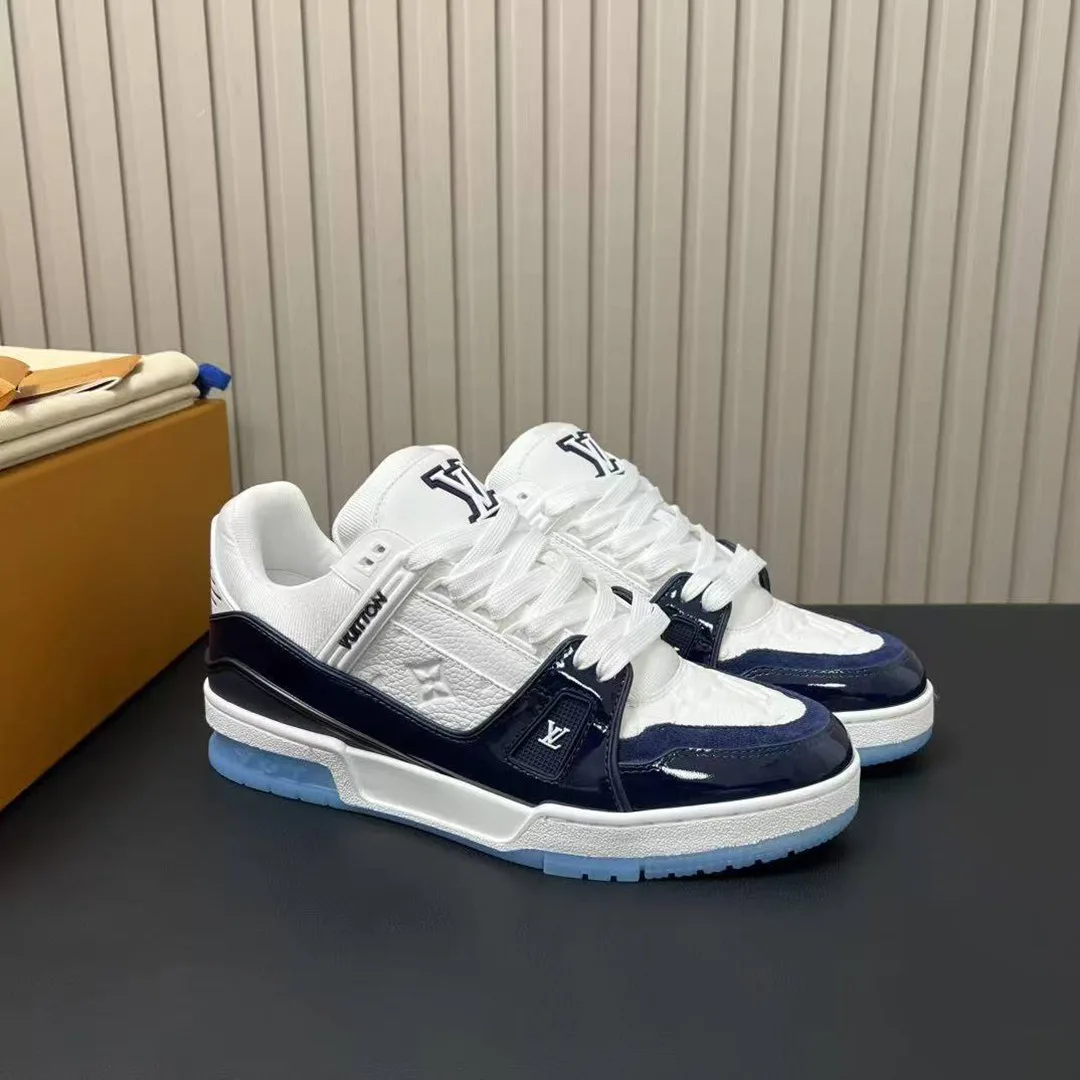
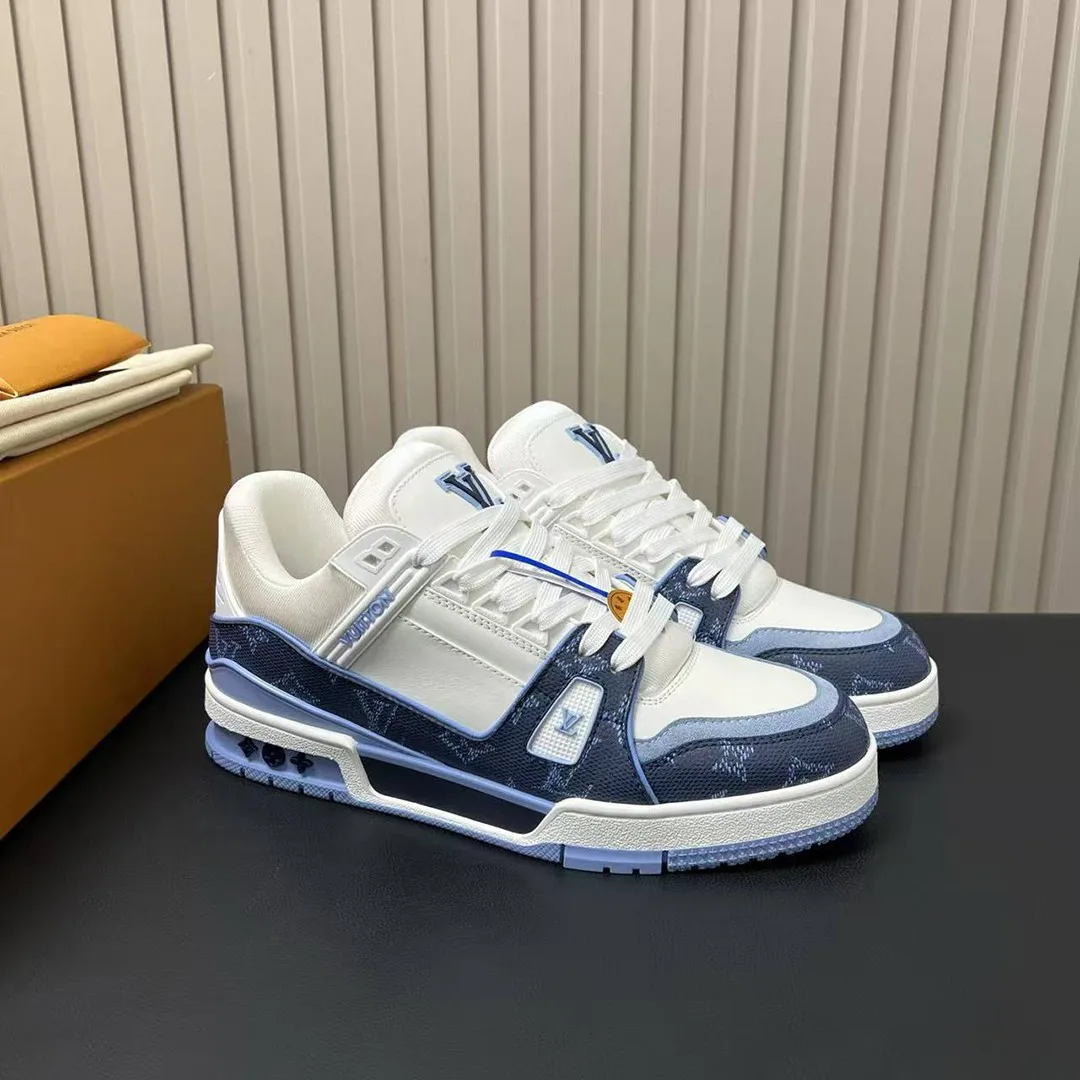
Ready to build your formal foundation? Browse our designer-inspired shoe collection and find the pair that fits your calendar.
For more on how formal menswear and footwear retail are evolving, Retail Dive tracks the trends shaping what gets sold.
Related reading: The Complete Shoe Buying Guide: How to Choose Shoes That Fit & Last · The Complete 101 Buying Guide · Buying Shoes for Wide Feet: What Actually Fits · The Best Leather Shoes for Commuting: Comfort That Lasts the Day
For the industry perspective, Footwear Distributors and Retailers of America publishes regular updates on this space.