
Shoe Care
How to Waterproof Leather Shoes: Sprays, Waxes and What to Skip
Aug
I learned the difference between “waterproof” and “water-resistant” the hard way: standing in a downpour, watching my “waterproofed” boots fill up like mugs. The spray had worn off months earlier, and I hadn’t noticed because the shoes still looked fine. Here’s the truth about waterproofing leather shoes — the products, the routine, and what genuinely doesn’t work.
Sprays: The Everyday Default
Waterproofing spray is the right choice for most shoes, most of the time. It’s invisible, it doesn’t change the color or feel of the leather, and it’s easy to reapply. The modern sprays are mostly water-based or solvent-based with silicone or fluoropolymer compounds that bond to the leather surface and make water bead up and roll off.
The routine matters more than the brand. Spray only clean, dry shoes — spraying over dirt seals the dirt in. Hold the can about eight inches away and apply two thin coats, letting the first dry for fifteen minutes before the second. Then let the shoes sit overnight before wearing. One impatient application in the morning before running out the door is the most common reason people think sprays don’t work.
How do you know if the treatment took? The water-drop test: put a single drop of water on the toe. On a fresh treatment it beads up and rolls off like mercury. If the drop flattens and soaks in within a minute, the treatment is dead and it’s time to reapply. I test all my shoes this way at the start of every month — it takes five seconds and removes all the guesswork.
Waxes and Balms: Heavy Duty for Winter
For winter boots and anything that will face serious weather, wax or balm waterproofers are the stronger option. Products like dubbin or boot wax create a physical barrier that shrugs off snow and slush better than spray. They also condition the leather, which is a nice bonus.
The trade-off: they darken the leather. Sometimes a lot. I’ve waxed tan boots that came out brown, and there’s no going back — the color shift is permanent. So wax is for dark leather and workhorse boots, not for a light dress shoe you love. On the plus side, a wax treatment lasts months, where spray needs refreshing every couple of months.
The best time to waterproof a new pair is before the first wear, while the leather is still clean and thirsty. Treatment applied to fresh leather bonds better and lasts longer than anything you’ll do later, and it means the first rainstorm isn’t a test you fail. I’ve started treating every new pair the day it arrives, and it’s the single most effective change I’ve made to my shoe routine.
What to Skip (I’ve Tried Most of It)
Heavy silicone products are the controversial one. They work great as a barrier, but they clog the leather’s pores and block future conditioning — oil can’t get in, so the leather slowly starves under the silicone. For cheap shoes, fine. For leather you care about, I’d avoid the silicone-heavy stuff and use a water-based spray instead.
Skip the home remedies entirely. Vaseline, cooking oil, and olive oil will “waterproof” your shoes by greasing them up, and the greasiness never fully goes away — the leather darkens, attracts dust, and can go rancid. I’ve made this mistake with olive oil once, and it took months of cleaning to undo. And never put wax or spray meant for smooth leather on suede — suede needs its own dedicated suede protector, which works differently and doesn’t mat the nap.
The Honest Truth About “Waterproof”
No treatment makes leather truly waterproof. Even a freshly sprayed, waxed boot will eventually soak through if you stand in standing water, because leather is a breathable material — that’s what makes it comfortable. What treatment buys you is time: water beads off instead of soaking in, which gives you the minutes you need to get inside, wipe down, and dry properly.
And when leather does get soaked, the treatment doesn’t matter anymore — drying does. Stuff the shoes with newspaper or trees, let them dry slowly at room temperature, and never use heat. Heat after a soaking is how leather shrinks and cracks. Then, once dry, reapply the treatment, because a soaking wears a lot of it off.
The maintenance schedule that actually works: a fresh treatment before wet season starts, a refresh every six to eight weeks through it, and an immediate re-treat after any day the shoes got properly soaked. That’s three or four applications a year, fifteen minutes each.
Retail Dive has good coverage of how footwear brands market weatherproofing — their retail industry reporting is a useful reality check on the claims you see on boxes.
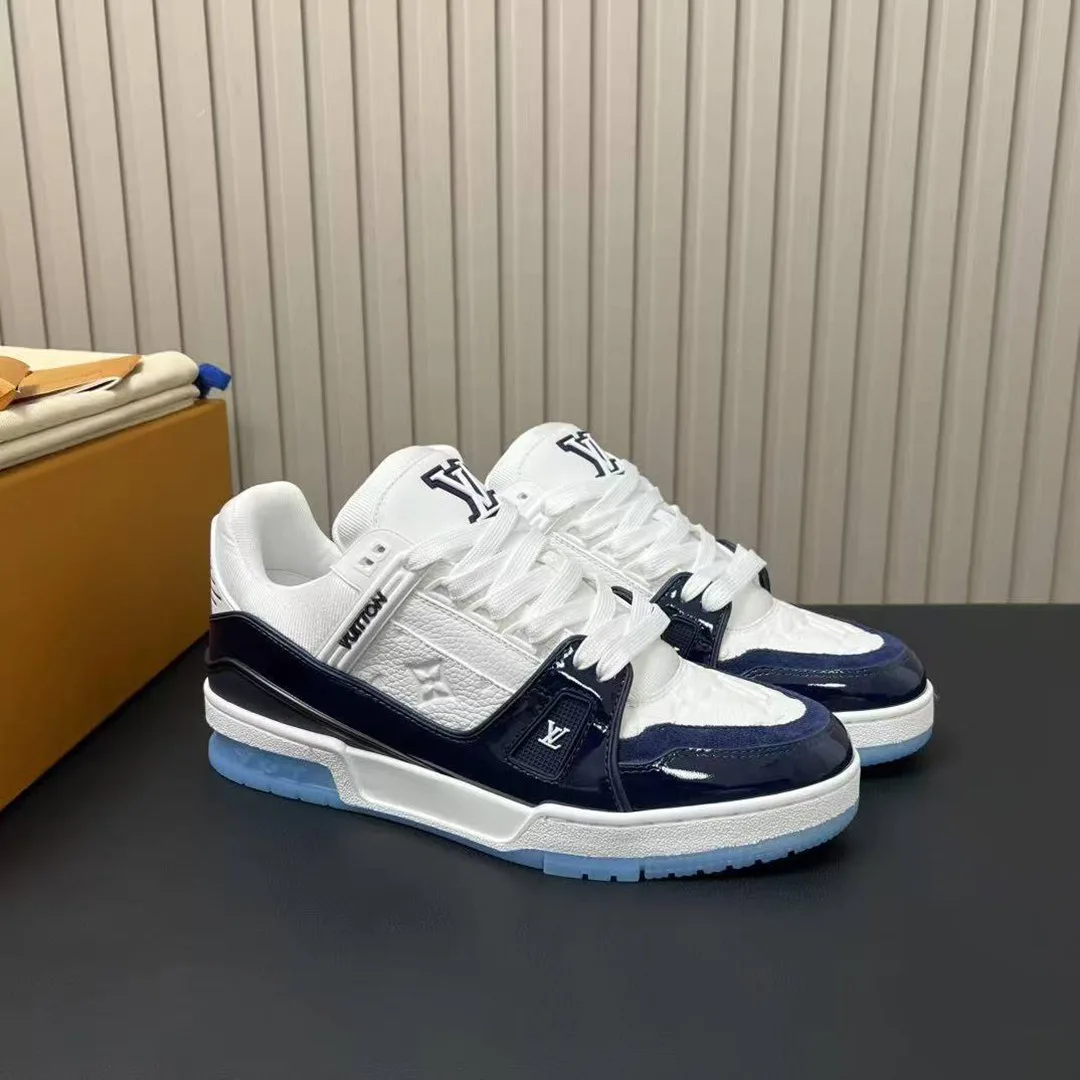
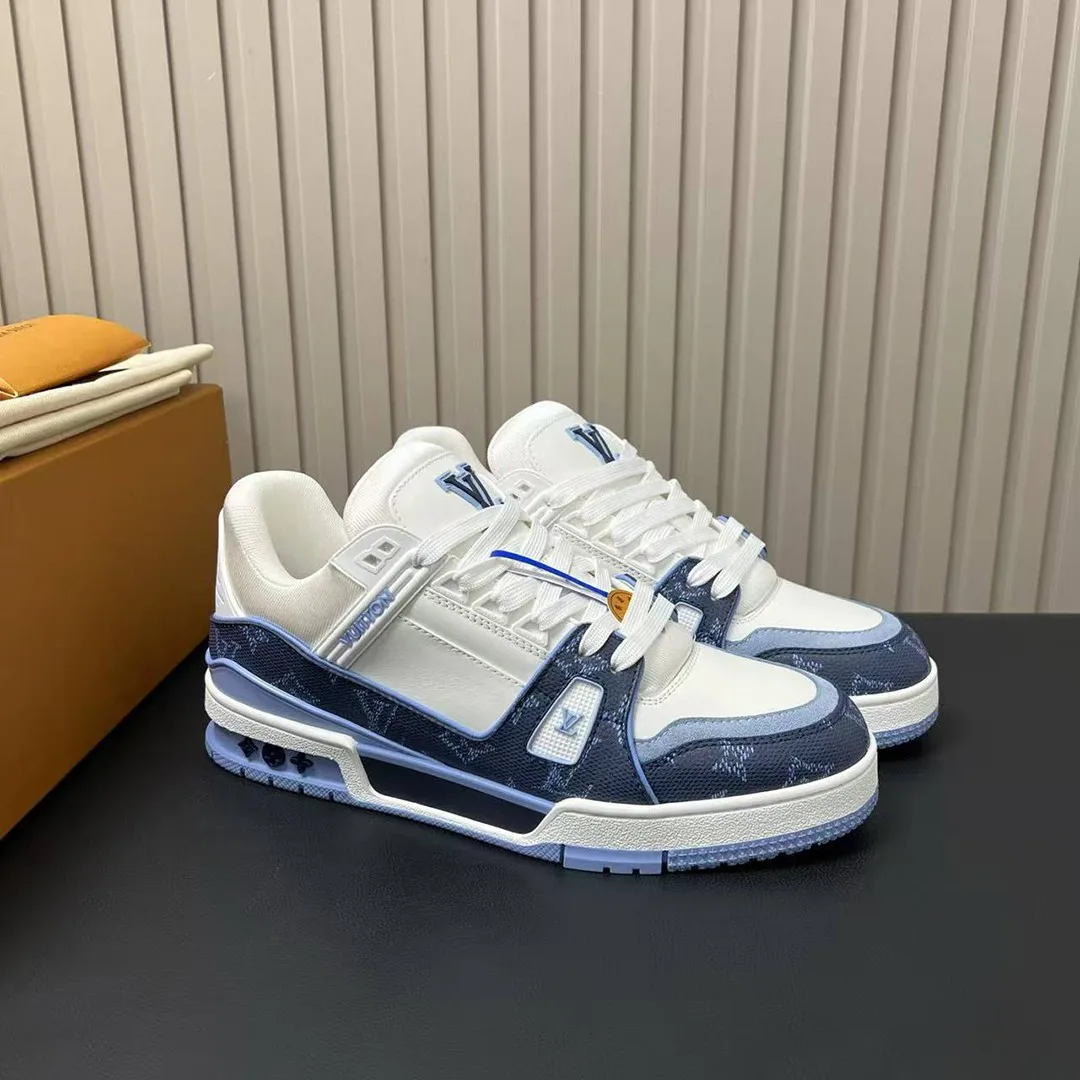
Waterproofing isn’t magic — it’s a schedule. Two coats, twice a season, and your shoes will laugh at weather that destroys untreated pairs. If you’re looking for a pair worth protecting, our leather shoe collection is built to take a treatment and keep looking good.
Related reading: Shoe Care 101: Cleaning, Conditioning & Storing Leather Shoes · The Complete 101 Buying Guide · How to Polish Leather Shoes: The Complete Guide · How to Remove Salt Stains from Leather Shoes in Winter
For the industry perspective, SGS Consumer Testing publishes regular updates on this space.