
Shoe Care
Shoe Trees: Why You Need Them and How to Choose
Aug
For the first five years I owned nice shoes, I didn’t own a single shoe tree. I’d read about them, obviously — every article mentioned them — but they seemed like the kind of accessory people buy to feel serious. Then I took a pair of loafers to the cobbler for new heels, and he asked what I did with them at night. “Nothing,” I said. He nodded the way people nod when they’re about to charge you for something. “That’s why the creases are set so deep,” he said.
He was right. The creases never went away. I bought four pairs of cedar trees that week, and I haven’t owned a pair of leather shoes without them since. Here’s what they actually do, how to pick them, and the mistakes I made along the way.
What a Shoe Tree Actually Does
Three jobs, and they’re all about the hours between wears. First, it holds the shape. Leather is flexible and it remembers the position you leave it in — crumpled in a heap, it will happily develop deep creases at the vamp. A tree keeps the shoe in its natural last shape while the leather relaxes, so creases stay shallow and smooth.
Second, it absorbs moisture. Your feet sweat a lot more than you think, and most of it ends up in the lining and the insole. Cedar is naturally absorbent and pulls that moisture out overnight, which keeps the inside of the shoe dry and the leather healthy. Third, it deals with smell, because cedar oil is a mild natural deodorizer. The same pair of shoes on trees for a night smells dramatically better than the same pair left loose in a closet.
Cedar, Plastic, or Spring: What to Buy
Cedar is the standard for a reason. It absorbs moisture, smells good, and the wood is soft enough not to stretch the shoe. You’ll see two main types: solid one-piece cedar trees, and the spring-loaded kind with a metal or plastic handle at the heel. The spring-loaded ones are easier to get in and out and adjust to the size — that’s what I’d buy for most people. Solid full-length ones are nicer for dress shoes, where the shape is everything.
Plastic trees are cheap and they hold shape, but they don’t absorb moisture and they can stretch a shoe if they’re oversized. Fine for sneakers you don’t care about; not what I’d use on leather I paid real money for. And skip the inflatable ones entirely — they’re a travel gimmick that does nothing for the creases.
How to Use Them Right
The rule is simple: trees go in when the shoes come off. If the shoes are soaked, stuff them with newspaper first, let them dry for a few hours, then swap in the trees. Inserting a tree into a soaking shoe just pushes the water around. If they’re just normally worn — which is most nights — trees in immediately, no waiting.
The mistake I made early: leaving the same trees in one pair for weeks. Trees are fine for storage, that’s not the problem. The problem was I only owned two pairs of trees for four pairs of shoes, so the same trees lived in one pair while the others sat loose. Buy one set per pair you wear regularly. It feels like overkill until you see the difference in the creases.
Size matters more than people think. A tree that’s too small does nothing; one that’s too big stretches the leather and can crack the heel counter. The tree should slide in with gentle resistance and pop the shoe back to its shape without force. If you’re fighting it, it’s the wrong size.
Cedar trees wear out too, just slowly. After a few years the wood dries out and stops absorbing the way it used to — the smell fades and the trees feel lighter in your hand. A light sanding with fine sandpaper brings fresh cedar oil to the surface and buys them another couple of years. It’s a ten-minute job you’ll do maybe three times in a decade of tree ownership, and it keeps the trees doing their job long after you’ve forgotten they’re there.
Do You Need Trees for Every Pair?
Not equally. Dress shoes and any leather you want to keep crease-free: yes, non-negotiable. Boots: yes, but boot trees are taller, and for tall boots a rolled towel in the shaft works fine too. Sneakers: optional — plastic trees help the shape, but the materials don’t suffer the way leather does. Loafers and slip-ons: yes, they crease at the instep worse than anything.
For the price of a takeout dinner, you get shoes that look new twice as long. I’ve got pairs I’ve worn for five years that still hold their shape, and the only difference between them and the pair I destroyed was fifteen dollars of wood. On the market side, Vogue Business covers how brands think about durability and care — worth a read if you want to understand why some shoes are built for years and others for a season.
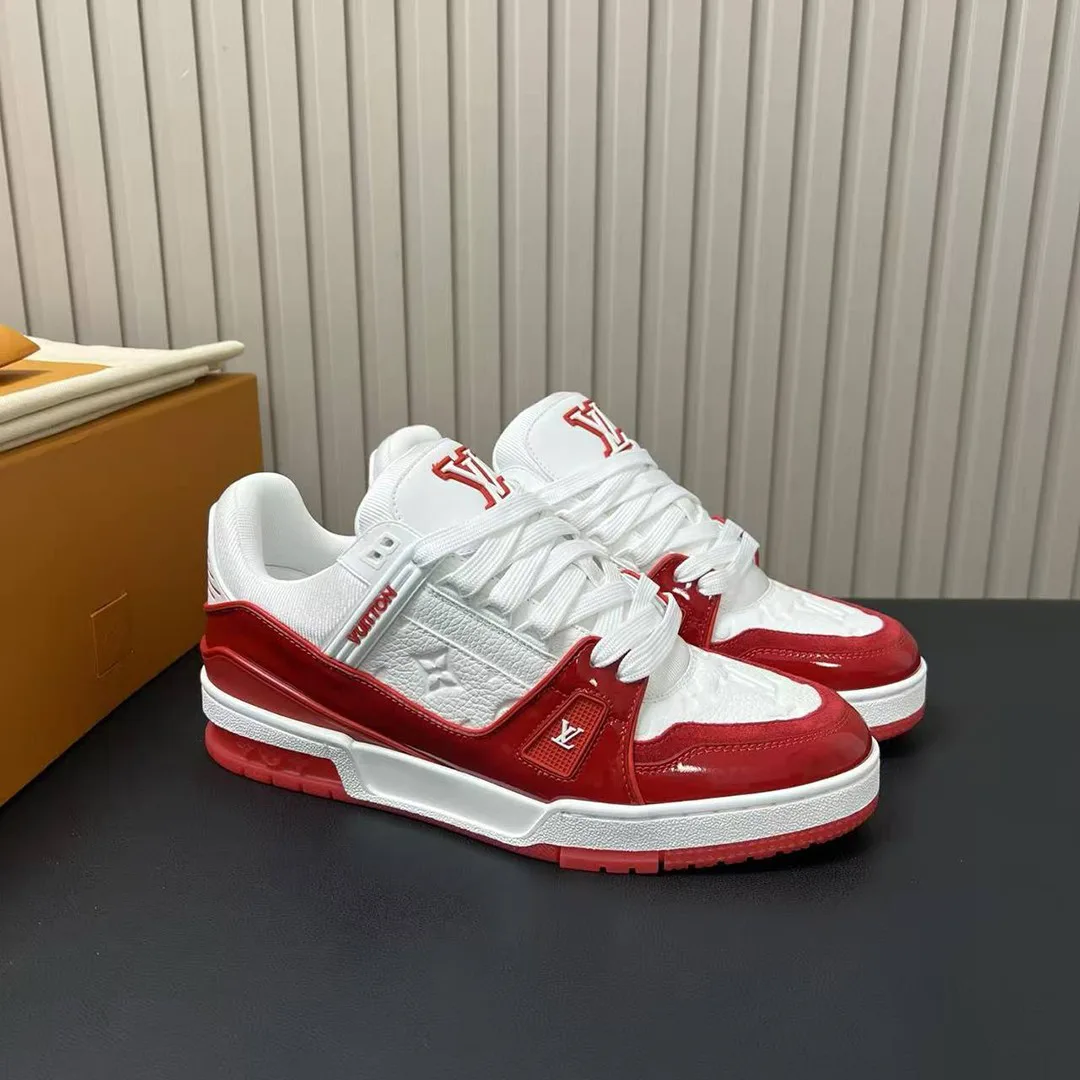
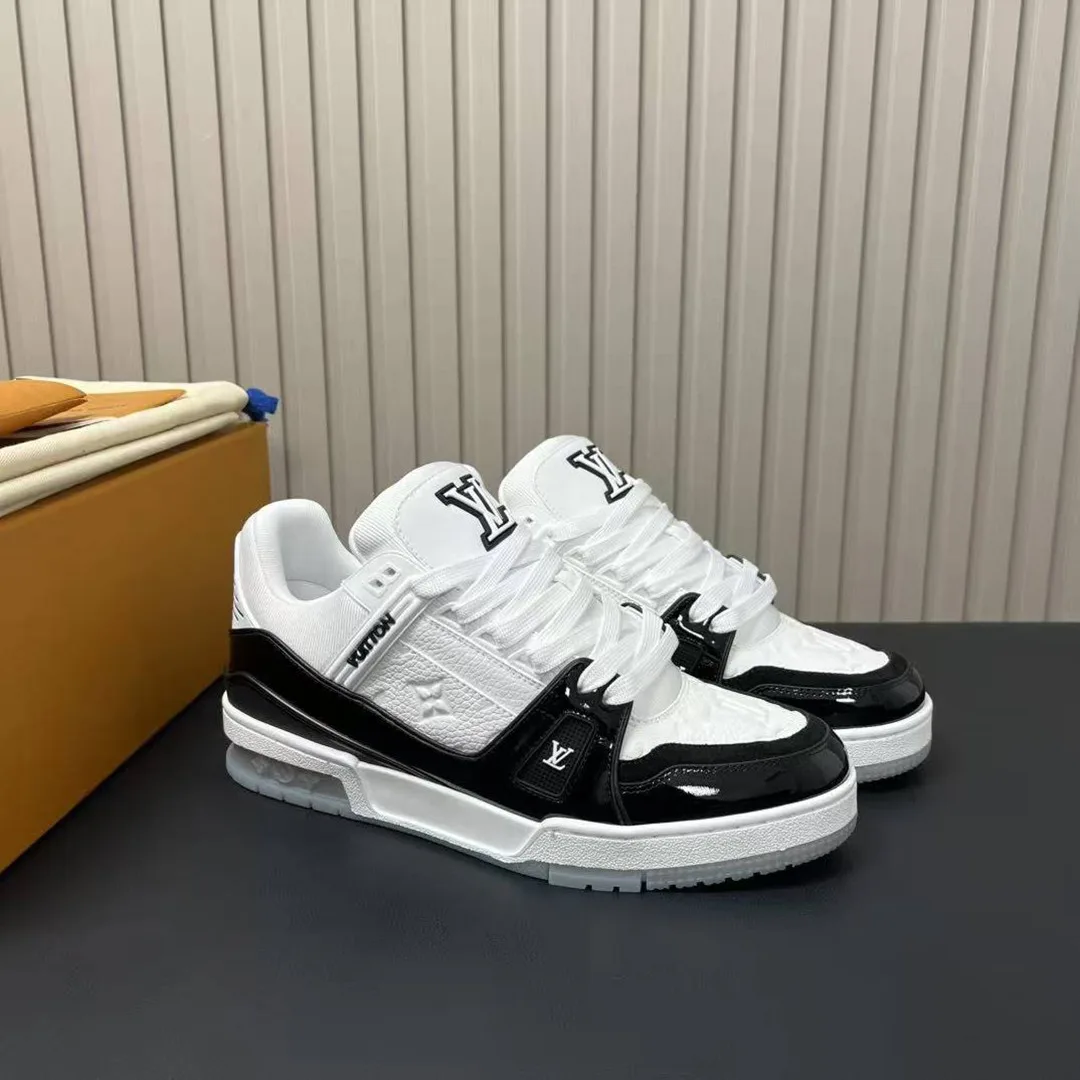
If you’re looking for shoes that actually reward this habit, take a look at our shoe collection. Good leather plus a twenty-dollar tree is a combination that will outlast anything else in your closet.
Related reading: Shoe Care 101: Cleaning, Conditioning & Storing Leather Shoes · The Complete 101 Buying Guide · How to Polish Leather Shoes: The Complete Guide · How to Remove Salt Stains from Leather Shoes in Winter
Industry data and professional guidance from SGS Consumer Testing support this view.