
Shoe Care
How to Clean Suede Shoes Without Ruining Them

Aug
The first suede shoes I owned died of kindness. I wore them once, got caught in drizzle, and panicked. I scrubbed them with soapy water like they were a kitchen counter. The nap matted down, the color went patchy, and the shoes looked ten years old after ten days. I learned the hard way that suede is not leather with a fuzzy texture — it’s a different material with different rules.
Here’s the good news: suede is actually easier to keep clean than smooth leather, once you stop treating it like leather. The whole system is brushing, erasing, and protecting. No water. No soap. No conditioner. Ever.
The Suede Kit: Four Things, That’s It
You need a suede brush, a suede eraser, a protector spray, and white vinegar for the stubborn cases. That’s the whole kit. A good suede brush has two sides: brass or stiff nylon bristles for general brushing, and a rubber side for lifting scuffs. The eraser looks like a pencil eraser the size of a soap bar — it rubs marks off the nap. You can get all four for around twenty-five dollars.
Don’t buy the “suede shampoo” bottles. Suede cleaners that involve water exist, but they’re for serious stains, and beginners misuse them constantly. Start with dry methods. Dry methods fix ninety percent of what happens to suede.
Brushing: The Daily Habit That Does Most of the Work
Brush after every wear, before the dirt settles in. One direction — always one direction, with the nap, not back and forth. Back-and-forth rubbing is how you get those bald, shiny patches on the toe. Use the brass side for dust and general grime, and the rubber side for spots that won’t lift.
I keep a brush by the door. It takes thirty seconds: brush the toe, brush the sides, brush the heel. That one habit means I deep-clean my suede maybe twice a year. The people who skip it are the ones who need emergency cleaning every month, and emergency cleaning is where suede gets ruined.
One caution: never brush wet suede. When the nap is damp, the fibers are soft, and a brush will tear them loose and leave permanent bald patches. If the shoes get wet, blot them with a towel, stuff them with newspaper, and wait until they’re completely dry before any brush touches them. Patience here is the entire secret.
Stains: Scuffs, Oil, Water, Mud
Scuffs are the easiest. Rub with the eraser, then brush the area to lift the nap back up. Scuffs on suede are usually just compressed fibers — the color is still there, you just can’t see it until you fluff it back.
Oil and grease are the scary ones, and the trick is cornstarch or baby powder. Blot the oil gently with a paper towel, then pile cornstarch on the spot and leave it overnight. It draws the oil out. Brush it off in the morning. I’ve rescued a pair of taupe loafers from a full butter spill this way — they were wearable by lunch.
Water stains are counterintuitive: the stain isn’t the water, it’s the ring where the wet nap dried against the dry nap. So you fix it by making the whole panel evenly damp. Lightly mist the whole toe or panel with water (or a 50/50 vinegar-water mix for darker stains), let it dry naturally, then brush. The ring disappears. And mud? Let it dry completely, then brush it off. Brushing wet mud just grinds it in.
Protecting Suede and the Mistakes That Kill It
Protector spray is not optional for suede the way it is for smooth leather. Untreated suede drinks water like a sponge, and the stain is permanent. Apply two thin coats on clean, dry shoes, and reapply every month or two, or after a heavy wet day. Spray from about eight inches away — close enough to coat, far enough not to saturate.
Now the don’ts, because I’ve broken most of them. Never machine-wash suede. Never put it near a radiator or hairdryer — heat makes the nap stiffen and the color shift. Never use regular leather conditioner — it soaks into the nap, darkens everything, and turns the suede greasy. And if a stain survives brushing, erasing, and the vinegar trick, take the shoes to a cobbler. Professional cleaning costs less than replacing the pair, and they have tools you don’t.
And one more thing suede does that smooth leather doesn’t: it absorbs smells. The fix is the same cornstarch trick — sprinkle baking soda inside the shoes overnight, shake it out in the morning. It deodorizes the lining without touching the nap, and it costs less than any “suede deodorizer” spray on the shelf.
WWD has covered suede’s return in menswear and womenswear season after season, and their footwear coverage is a good place to see why the material keeps coming back.
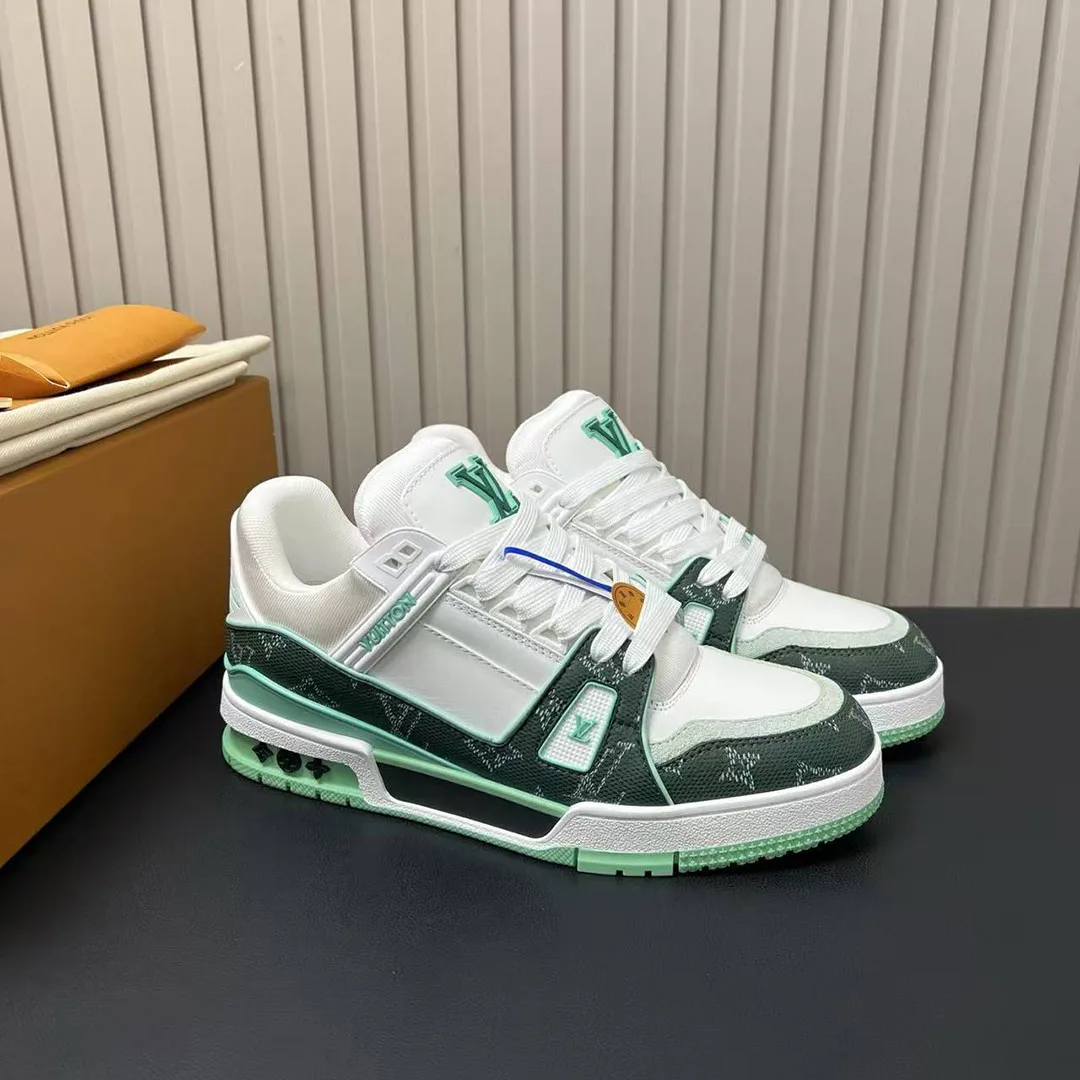
Suede rewards patience. Thirty seconds of brushing a day, and it stays beautiful for years. If you’re ready to own a pair that’s worth the ritual, browse our suede shoe selection and start with a color that forgives mistakes.
Related reading: Shoe Care 101: Cleaning, Conditioning & Storing Leather Shoes · The Complete 101 Buying Guide · How to Polish Leather Shoes: The Complete Guide · How to Remove Salt Stains from Leather Shoes in Winter
Industry data and professional guidance from SGS Consumer Testing support this view.