
Shoe Guides
Can You Wear Leather Shoes in Summer? Yes, Here’s How
Aug
Every summer someone tells me leather shoes are a winter thing, and every summer I prove them wrong while wearing a pair of unlined leather loafers in thirty-degree heat. Leather gets a bad reputation in summer because of one bad experience: a hot, sweaty, lined pair of shoes that felt like wearing ovens. But leather itself breathes, it is a natural material full of pores, and the right leather in the right construction is actually one of the most comfortable things you can wear in heat.
The trick is knowing which leathers and which styles work, and how to care for shoes when sweat and sun are working against them. I have spent years testing this in real summers, on real pavement, and here is what actually works. If you follow this, you can wear leather all year and never suffer for it.
Why Some Leather Shoes Turn Your Feet Into Saunas
The problem is never the leather itself, it is what is under it. A lined shoe, with a synthetic or thick leather lining, traps heat and sweat against your foot, and that is what makes leather feel unbearable in summer. The second culprit is a synthetic insole, which does not absorb moisture, so your foot slides around in a puddle of its own making. I owned a pair like this once, and by July I was convinced leather was a scam invented by people who do not sweat.
The fix is unlined construction. Unlined leather shoes have the leather of the upper as the only layer, with no lining underneath, so air moves through and sweat evaporates. They are lighter, they mold to your foot faster, and they wear like a slipper. If you buy one leather shoe for summer, make it unlined. It is the single biggest difference between a summer-friendly leather shoe and a portable sauna.
The Leathers That Breathe
Not all leather behaves the same in heat. Suede is the summer champion: the napped surface has thousands of tiny fibers that move air and absorb moisture, and it stays cool against the skin. Nubuck is similar. Vegetable-tanned leather breathes well too, because the tanning process keeps the pores open, while heavily coated leathers, the shiny, plastic-feeling ones, trap heat because the coating seals the surface. When in doubt, scratch-test the finish: if it feels like plastic, it will sweat like plastic.
Color matters more than people think. A light-colored shoe, tan, beige, white, or light suede, absorbs less heat than black or dark brown, and the difference is noticeable on hot pavement. I have worn the same model of loafer in black and in tan, and the tan pair genuinely feels cooler on the same walk. It is not magic, it is physics: dark surfaces absorb heat, light ones reflect it. Summer is the one season where the fashion advice and the science agree.
The Summer Styles That Work
Unlined loafers are the classic summer leather shoe: no laces, no lining, and they go with everything from linen trousers to jeans. Driving shoes, with their rubber-pebbled soles, are built for warm weather and light walking, though they are not for long commutes. Leather sandals, when they are made with real leather uppers and footbeds, are actually better in heat than synthetic ones, because leather footbeds absorb sweat instead of amplifying it. I used to avoid leather sandals entirely, and that was a mistake.
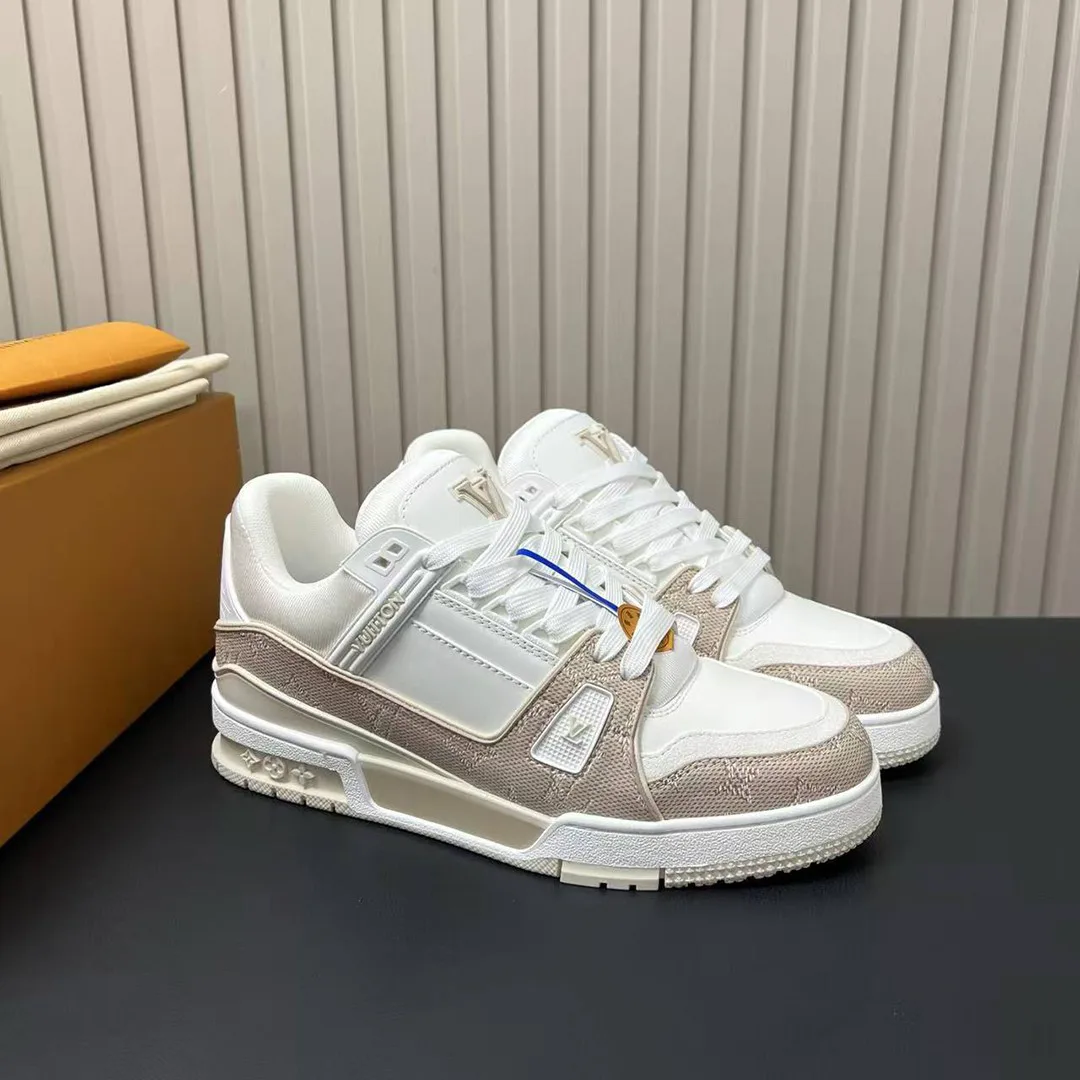
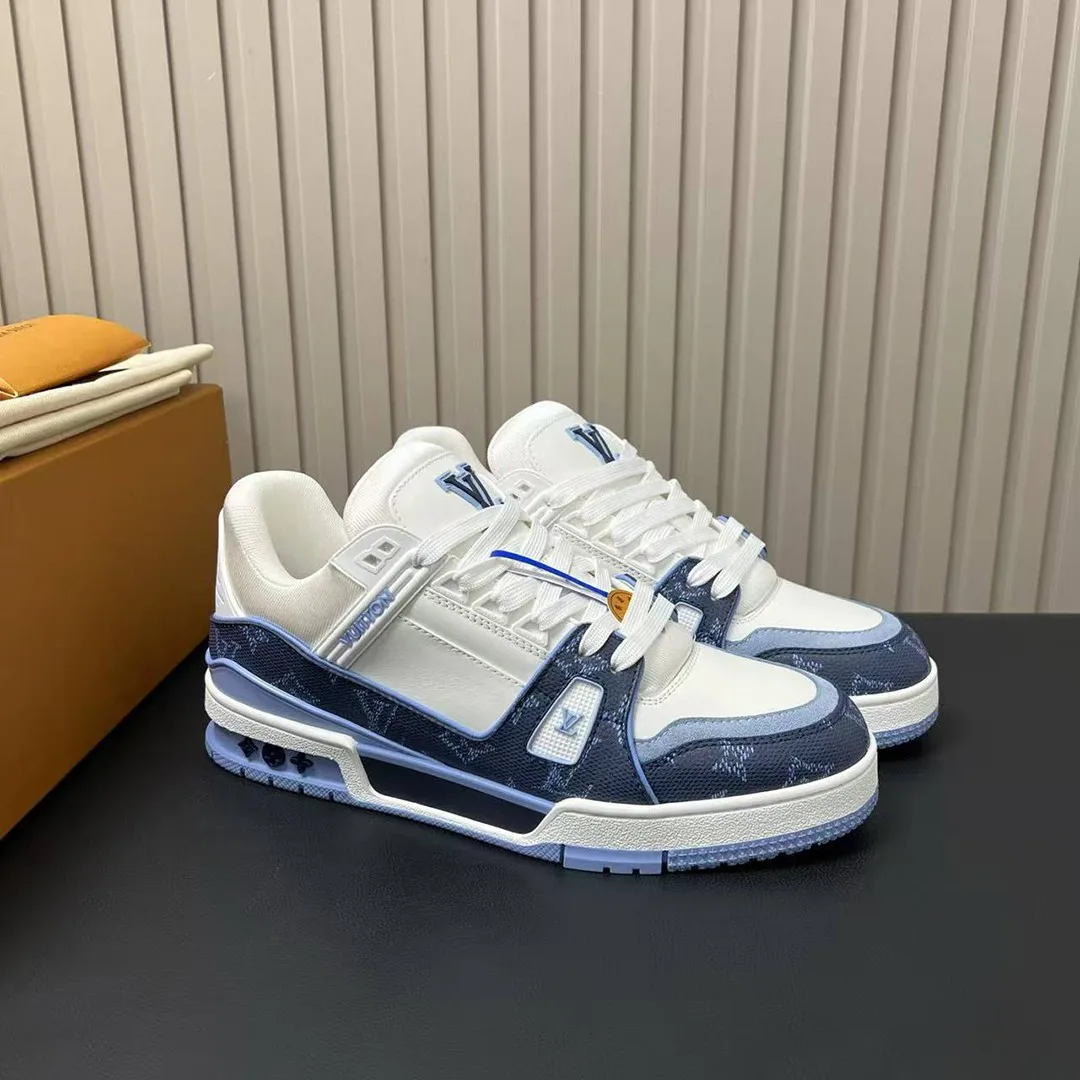
White leather sneakers are the other summer staple. They reflect heat, they look right with everything, and a good pair with a leather lining will not punish you the way synthetic-lined sneakers do. For anything more formal, a suede derby or loafer in a light color gets you through summer weddings and events without sacrificing your feet. The pattern is simple: unlined, light-colored, and breathable leather, and you can wear it anywhere.
Summer Care: Sweat, Salt and Sun
Summer is harder on shoes than winter in one specific way: sweat. Sweat carries salts that dry out leather and leave white marks, and feet that sweat all day can turn a good pair musty fast. Rotate pairs so each one dries fully between wears, use cedar shoe trees, which pull moisture out overnight, and let shoes dry naturally, never on a radiator or in direct sun. If a pair gets soaked, stuff it with newspaper, let it dry slowly, and condition it after.
Sun is the sneaky killer. UV light fades color and dries leather until it cracks, so do not leave your shoes in a car dashboard or a sunny windowsill. A light conditioning every month or two keeps summer leather supple, and a leather protector spray on suede keeps the nap looking fresh and repels the odd rain shower. Do that, and your summer leather shoes will look better in September than most people’s winter ones do in March.
Ready for a summer you can walk through? Browse our designer-inspired shoe collection and find the pair that breathes.
For more on how seasonal footwear trends are moving the market, WWD covers the industry and what brands are betting on.
Related reading: The Complete Shoe Buying Guide: How to Choose Shoes That Fit & Last · The Complete 101 Buying Guide · Buying Shoes for Wide Feet: What Actually Fits · The Best Leather Shoes for Commuting: Comfort That Lasts the Day
For the industry perspective, Footwear Distributors and Retailers of America publishes regular updates on this space.