
Shoe Guides
Shoe Soles Explained: Leather, Rubber, Wedge and More
Aug
I used to buy shoes based on the upper alone, the leather, the color, the stitching, and I treated the sole as an afterthought. Then I spent a winter slipping on wet pavement in a pair of leather-soled oxfords and spent a spring realizing my rubber-soled boots were too heavy for summer walking. The sole is half the shoe, literally, and it decides how the shoe feels, how long it lasts, and where you can wear it. Learn the sole types and you will stop making the mistakes I made.
There are really four families of soles: leather, rubber, the in-between hybrids, and the specialty soles. Each has a job, and the best shoe collections mix them deliberately. Here is the honest rundown from someone who has worn all of them until they wore out, and bought the wrong ones first.
Leather Soles: The Classic That Needs a Driver
A leather sole is exactly what it sounds like: a sole cut from oak-tanned leather, often in layers. It looks elegant, it lets the shoe flex naturally, and it molds to your foot over time, which is why dress shoes and high-end footwear still use it. It also has real weaknesses: it is slippery on wet pavement and polished floors, it wears down faster than rubber, and it is damaged by standing water and road salt. It is a beautiful material with a very specific job.
I still love leather soles on dress shoes, but I follow two rules. First, add a rubber top piece, the small rubber insert at the heel, before first wear, it costs a few dollars and saves the leather from the worst of the wear. Second, do not wear leather-soled shoes in rain or on long city walks. They are for the office, the restaurant, the wedding, not for the commute. Own the limitation and leather soles will serve you for a decade; ignore it and you will hate them in a month.
Rubber Soles: Grip, Weight and the Modern Default
Rubber soles took over for a reason: they grip, they absorb shock, they survive weather, and they last. Modern rubber compounds are light enough that a rubber-soled shoe no longer feels like a boot, and they come in every thickness, from slim city soles to chunky lug soles. For any shoe you will walk in daily, rubber is the practical choice, and most of my everyday shoes have rubber soles. I stopped slipping, and I stopped thinking about soles entirely, which is exactly what a good sole should do.
The trade-offs are subtle. Rubber does not mold to your foot the way leather does, very thick rubber can feel dead and unresponsive, and cheap rubber can harden and crack with age. Buy shoes with decent-density rubber and you will not notice the downsides. And if you want the dress look with the commuter grip, that is what hybrid soles are for, and they are more common now than ever for good reason.
The Middle Grounds: Wedge, Crepe, Dainite and Vibram
Between the leather purist and the rubber pragmatist sits a useful middle. A wedge sole is a single piece of rubber or EVA shaped with a slight lift from heel to toe, seen on many loafers and driving shoes; it is comfortable and casual, and it makes a shoe feel lighter than a stacked heel. Crepe soles, the soft natural rubber found on classic desert boots and some loafers, are famously comfortable but wear fast and pick up dirt. I love crepe for the first year and regret it by the third.
Then there are the studded rubber soles: Dainite, Vibram, and their lookalikes. These are rubber soles with small studs or lugs, designed for grip in bad weather while keeping a smart profile. A Dainite-soled derby is my answer to the dress-shoe-on-wet-pavement problem: it looks like a dress shoe and grips like a boot. Vibram makes everything from city soles to serious hiking lugs, and if you see either name on a shoe, you are looking at a sole built to be replaced rather than thrown away.
Matching the Sole to the Shoe and the Life
Here is the system I actually use. Dress shoes worn indoors and on dry days: leather sole, with a top piece. Dress shoes worn in real life: studded rubber like Dainite, same look, no slipping. Daily commuting and city walking: a full rubber sole with real tread. Summer casual: a wedge or crepe sole, light and comfortable. Hiking and heavy weather: Vibram-style lug soles, no debate. One shoe per job, and the sole is chosen before the leather, because the sole decides where the shoe can live.
One last thing: check whether the sole can be replaced. A welted or stitched sole can be swapped when it wears down, which turns a good shoe into a long-term investment. A glued sole, whatever it is made of, dies with the shoe. Sole choice is not just about feel, it is about whether your shoes last three years or fifteen. The sole is the part that touches the world, so it deserves more thought than the part that just gets looked at.
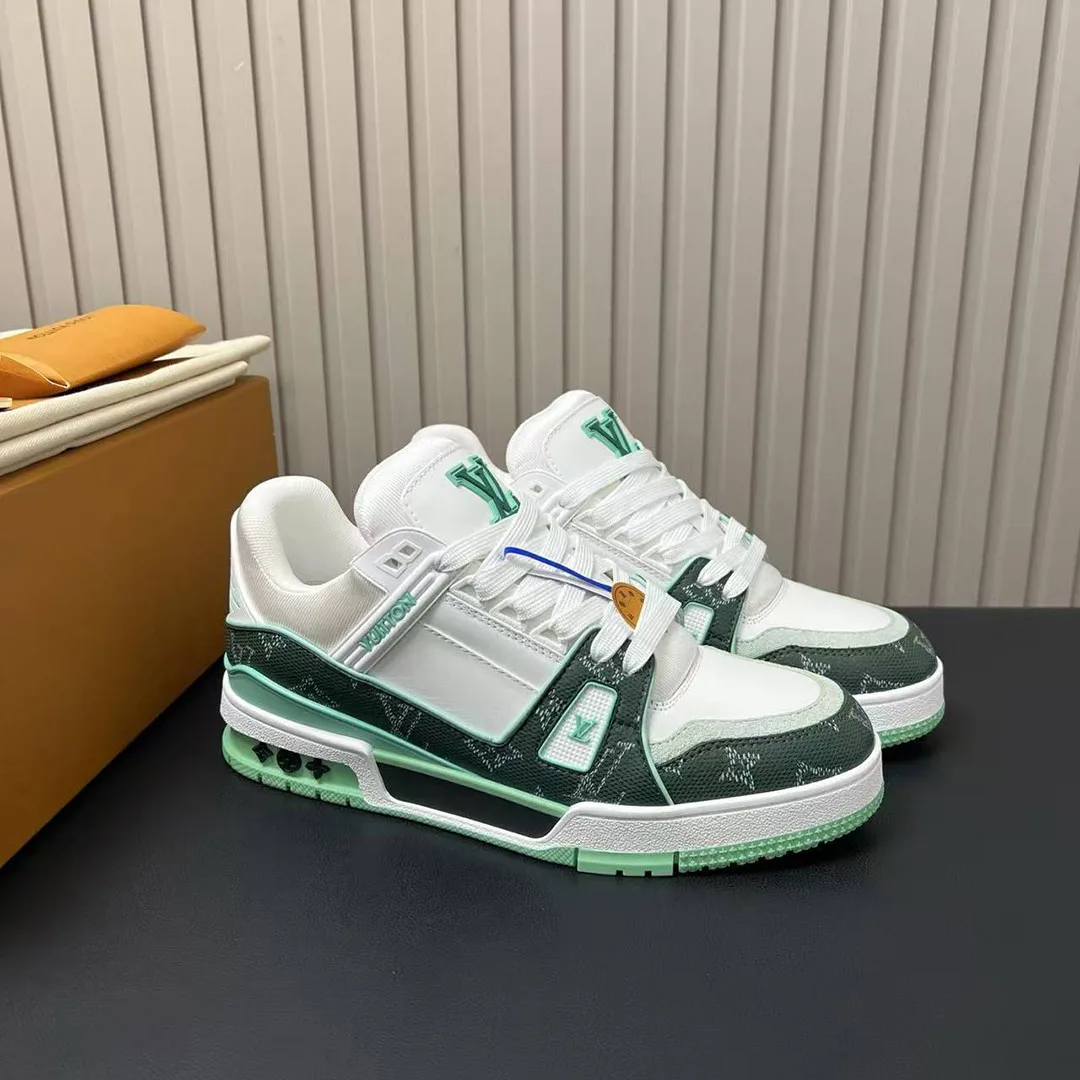
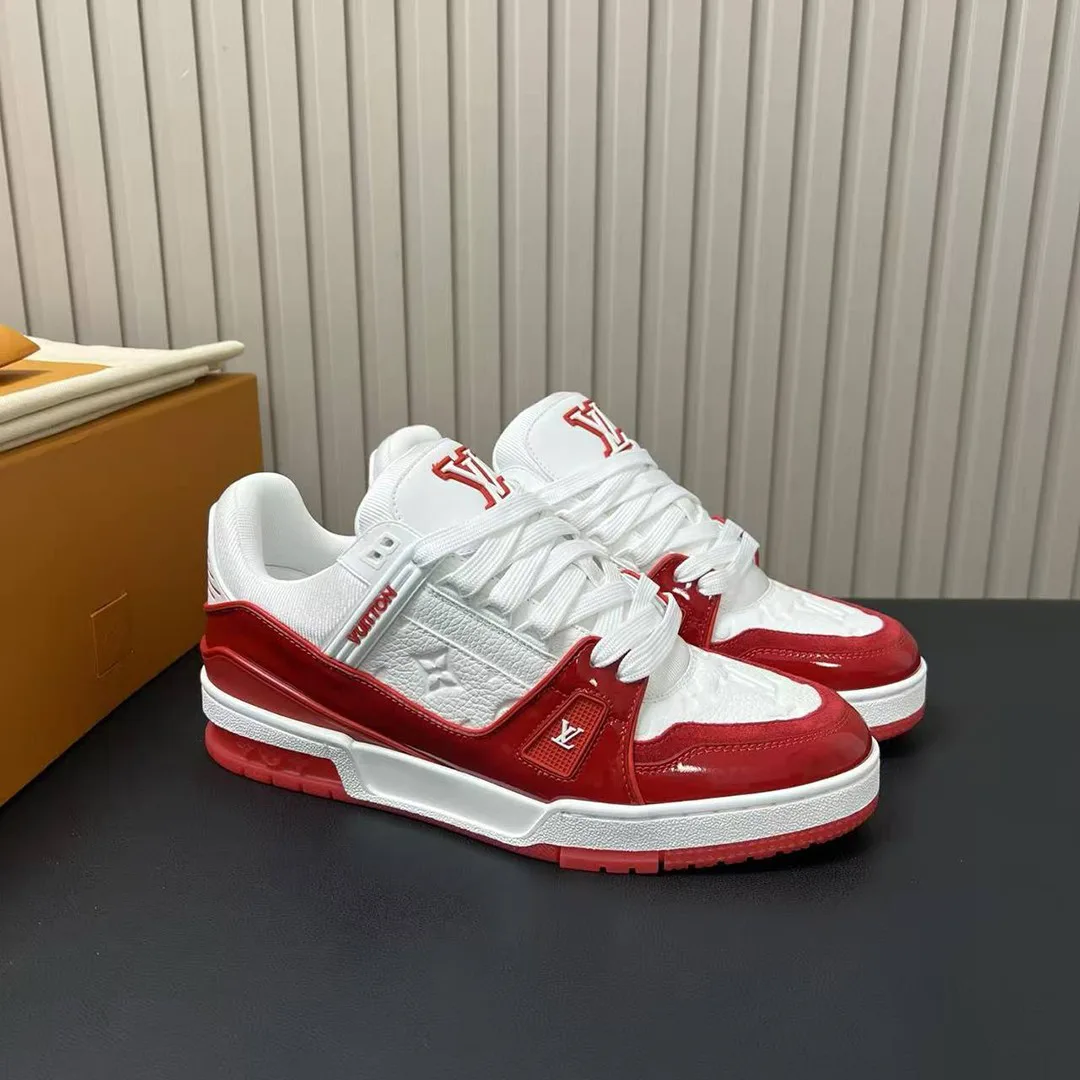
Ready to find your perfect pair? Browse our designer-inspired shoe collection and choose the sole that fits your life.
For more on how materials and innovation are reshaping footwear, The Business of Fashion covers the industry from the supply chain up.
Related reading: The Complete Shoe Buying Guide: How to Choose Shoes That Fit & Last · The Complete 101 Buying Guide · Buying Shoes for Wide Feet: What Actually Fits · The Best Leather Shoes for Commuting: Comfort That Lasts the Day
For the industry perspective, Footwear Distributors and Retailers of America publishes regular updates on this space.