
Women Bag Trends
The Handbag Colors Dominating This Year (and How to Wear Them)
Aug
Color is where I get the most questions at the counter, and also where I watch people make the most expensive mistakes. Last spring a customer bought a bright orange bag because a magazine told her orange was the color of the season. She carried it twice. The second time she asked me, half joking, whether I would take it back. I would not have, and she knew it.
This year’s color story is actually a good one, the strongest palette in years, in my opinion. But it comes with a warning: some of these colors will behave like neutrals and serve you for a decade, and a couple of them are pure season decorations. Knowing which is which is worth real money.
The Colors Dominating Right Now
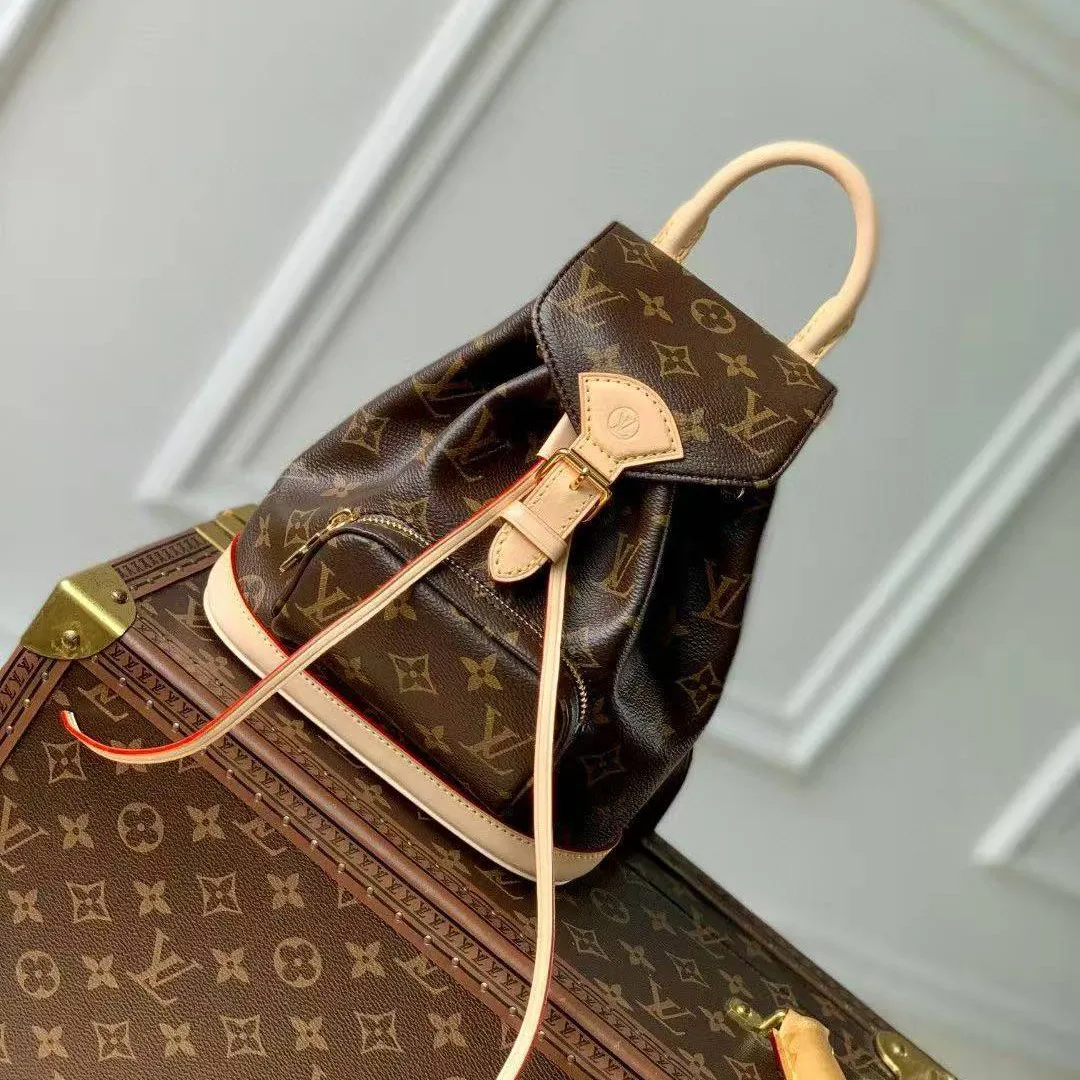
Chocolate brown is the story of the year, no contest. It has been building for a while, and now it is everywhere: the 90s revival pushed it, quiet luxury pushed it, and the resale market confirmed it, because brown bags hold value better than almost any other color right now. Brown is the new black, and unlike most trend slogans, that one is actually true.
Around brown, the rest of the palette: burgundy and oxblood for the cooler months, butter yellow as the spring statement, olive for the casual crowd, and cherry red as the power accent for anyone who wants attention without a logo. It is a warm, food-adjacent palette, coffee, wine, butter, olive oil, cherries, and it works because warm tones flatter almost every skin tone and almost every coat.
How to Wear Each One
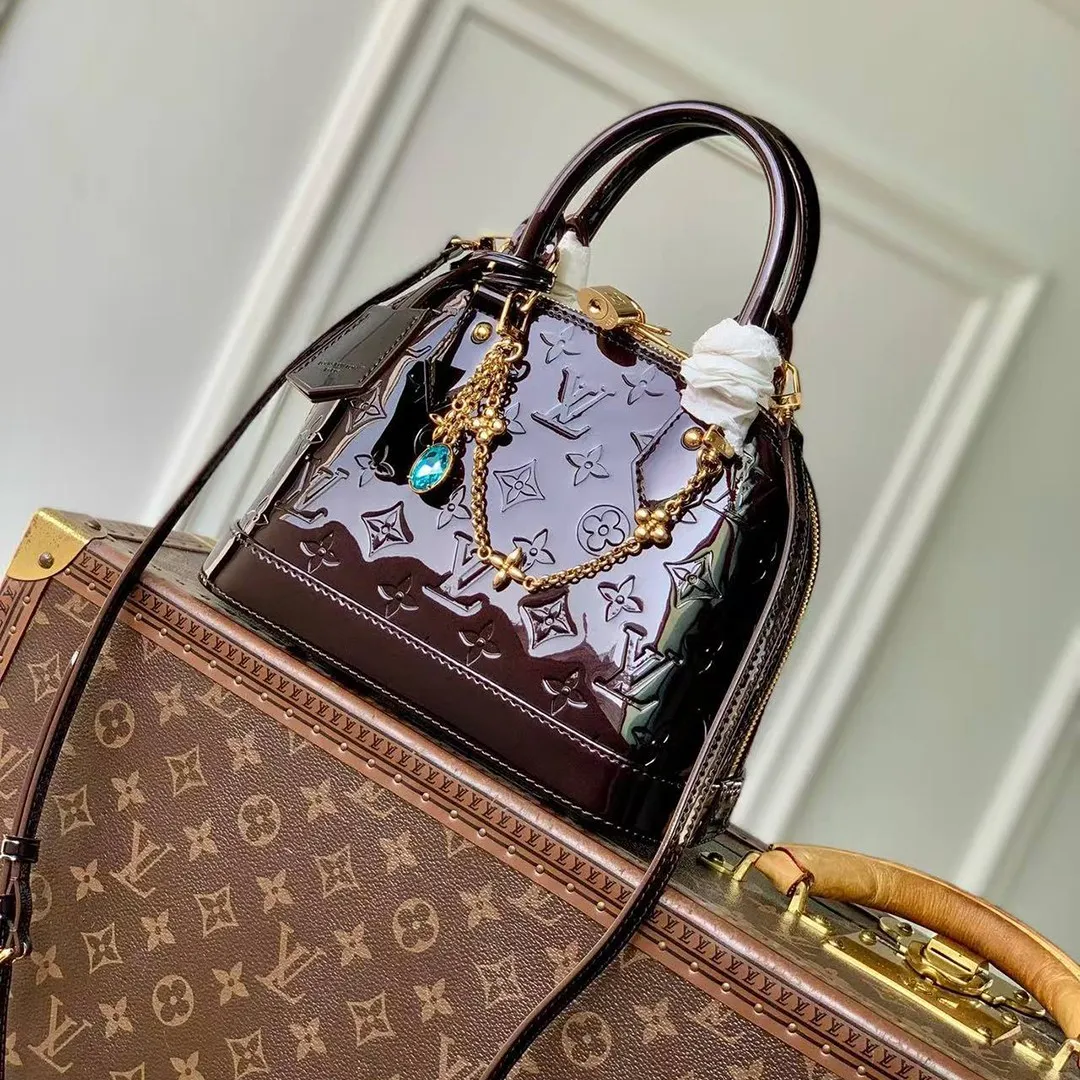
Brown is easy: it pairs with everything, but it sings with cream, camel, navy and denim. If you wear a lot of black, brown is the color that finally adds warmth without clashing. Burgundy is the autumn-to-spring workhorse: it dresses up a gray suit, it warms up a black coat, and it looks intentional with cream and navy. Olive is the casual player, denim, khaki, white tees, it never fights. Cherry red is the statement: keep the outfit simple and let the bag do the talking.
Butter yellow is the one that needs a plan. It is gorgeous in spring light and it photographs like a dream, but it is the fastest to date and the hardest to match, because it fights with most warm tones and most pastels. The rule I give people: yellow works if your wardrobe is mostly white, denim and neutrals. If your wardrobe is mostly warm colors, yellow will sit in the closet.
And what about the classics that never left? Black, tan and cream are still the backbone of every collection, and that is not going to change. The trend colors this year are the accents, not the foundation. When I see a customer building a first bag wardrobe, I still steer her toward a black or tan piece first, then let her add the brown or burgundy as the second bag. The foundation is what you carry every day; the trend color is what you reach for when you want the day to feel special. Most of the color mistakes I see at the counter are not about choosing the wrong shade, they are about choosing the wrong role: buying a trend color as the everyday bag, then wondering why it fights with everything.
Which Colors Are Worth Your Money
Here is my honest tier list. Worth every cent: chocolate brown, burgundy, olive. These three behave like neutrals, they work in multiple seasons, they hide wear, and they will not look dated in three years. Worth it as a second bag: cherry red, if you love it, because it is the rare statement color that keeps looking strong. Spend carefully: butter yellow and other light pastels, because they date fast, show dirt fast, and need a specific wardrobe to earn their place.
The color should match your coat, not the magazine. Before you buy any trendy color, hold it against the jacket or coat you wear most. If it looks good there, it will earn its keep. If it only looks good in the store lighting, it will not.
How I Pick Colors for My Own Collection
My own rule is seventy percent neutrals, thirty percent color, and I have never regretted a purchase made inside that ratio. I also buy the color version of a bag only when the bag itself is already proven: same shape, same leather, same hardware as a neutral I already love. The color is the risk; everything else should be the safe part.
And one practical note: dark colors hide the scratches and patina that light colors show off. If this is your only bag, buy brown or burgundy and let it age in peace. If it is your third bag, buy the yellow and enjoy it while it lasts. Whatever you choose, our women’s bags collection carries this year’s palette, and I picked the colors I would actually carry, not the ones the trend reports insisted on.
For the runway-side confirmation of which colors are actually being shown, WWD covers the color stories straight from the collections.
Related reading: Handbag Trends to Watch: What’s In, What’s Out, and What’s Worth Buyin · The Complete 101 Buying Guide · Designer-Inspired Bags: Why Affordable Takes on Luxury Are Trending · The Tote Bag Trend: Why Everyone Is Carrying One (and Which to Buy)
Industry data and professional guidance from Vogue Business support this view.