
Women Bag Trends
Designer-Inspired Bags: Why Affordable Takes on Luxury Are Trending
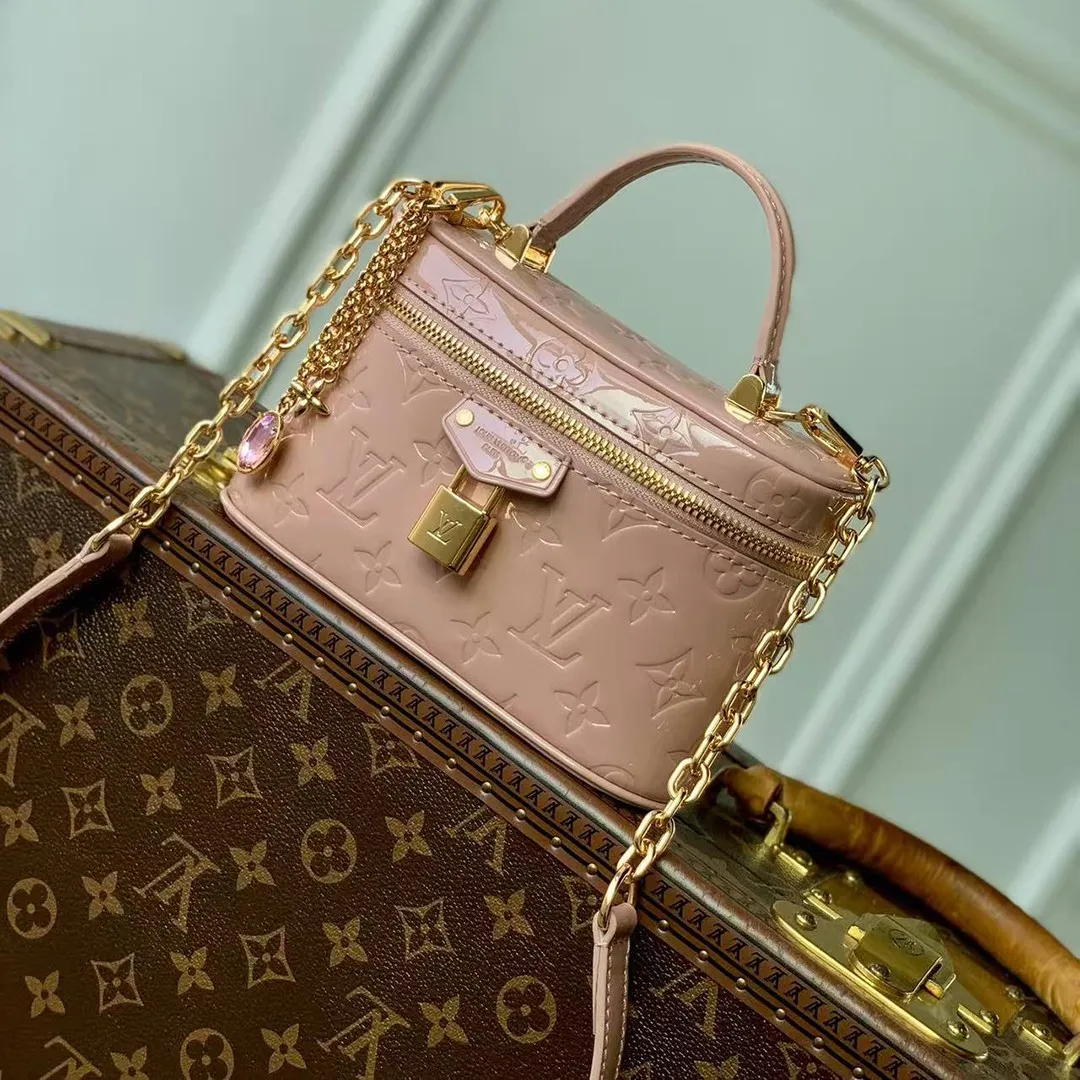
Aug
Let me clear something up before anything else: designer-inspired is not counterfeit. I draw this line carefully, because my whole shop depends on it. A counterfeit is a fake: it copies a logo, a name, a design, and it lies about what it is. A designer-inspired bag takes the idea, the silhouette, the mood of a luxury piece, and builds its own honest version with its own materials and its own name. One is theft. The other is fashion, which has always worked this way.
And inspired bags are one of the biggest trends in the market right now. The numbers are impossible to miss, and so are the reasons: luxury prices have climbed past what most people can justify, while the quality of well-made inspired bags has climbed to meet them. This article is about why the trend happened, how to buy it without embarrassment, and where the line between inspired and fake sits.
What Designer-Inspired Actually Means
Think of it like music. Every song sits somewhere on a spectrum from homage to copy, and the good ones are clearly one or the other. A designer-inspired bag borrows the shape language, the soft hobo curve, the structured top handle, the compact crossbody proportions, and executes it in its own way, with its own hardware, its own details, and no fake logos anywhere. If it carries a logo that is not its own, it is not inspired, it is counterfeit, and you should not buy it and I will not sell it.
Why is this legal and fine? Because silhouettes and general shapes are not protected the way brand marks and exact designs are. The legal line is drawn by trademarks and specific design protections, and a bag that copies a shape without copying the marks, the patterns, or the distinctive protected details sits on the right side of it. That distinction matters, and the industry pays lawyers a lot of money to keep it clear.
Why the Trend Took Off
The economics explain most of it. A luxury bag that cost two thousand dollars ten years ago now costs three or four times that, and wages did not triple. At the same time, the quiet luxury shift made people care more about materials than logos, which is exactly what inspired bags can deliver. Why pay a five-thousand-dollar name tax when the quality signals you actually care about, leather, stitching, hardware, are available at a fraction of the price?
The market data backs this up: the luxury handbag segment keeps growing, and so does the space around it for quality alternatives. Buyers are not rejecting luxury; they are rejecting the idea that luxury means a logo. That is a healthy change, and it is why this trend looks durable rather than like a fad.
How to Choose an Inspired Bag That Is Not Embarrassing
Here is where the quality gap shows, and it is a big one. A great inspired bag is indistinguishable from a great bag, period. A bad one is obvious within seconds, and the reasons are always the same three things. First, materials: real leather versus plastic-looking PU is the difference between a bag that ages and a bag that flakes. Second, proportions: the reason cheap inspired bags look wrong is almost never the shape idea, it is the execution. The handles are too thin, the hardware too light, the corners too sharp. Compare the bag to the real thing in photos and look at the proportions, not the label. Third, details: the stitching, the edge paint, the interior, all the things that make a bag feel expensive are exactly the things cheap makers skip.
And the rule that saves everyone: if a bag has a lookalike logo, a squinted version of a monogram, or a name that is one letter off from a famous brand, put it down. Not because of the law, but because that bag will embarrass you, and it will not hold value, and it was made by someone who thought you would not notice. Real makers do not need your squint.
My Honest Take
I think this trend is genuinely good for buyers. More choice, more transparency, and a market that finally rewards materials over names. I also think the word “inspired” gets abused, and you should shop with your eyes open: the quality is the product, not the resemblance. A well-made bag that borrows a great silhouette and executes it honestly is a smart purchase, because it will look right, wear well, and cost a fraction of the original. That is the whole appeal, and it is why our women’s designer-inspired bags are built the way they are: the materials first, the resemblance second, the honesty always.
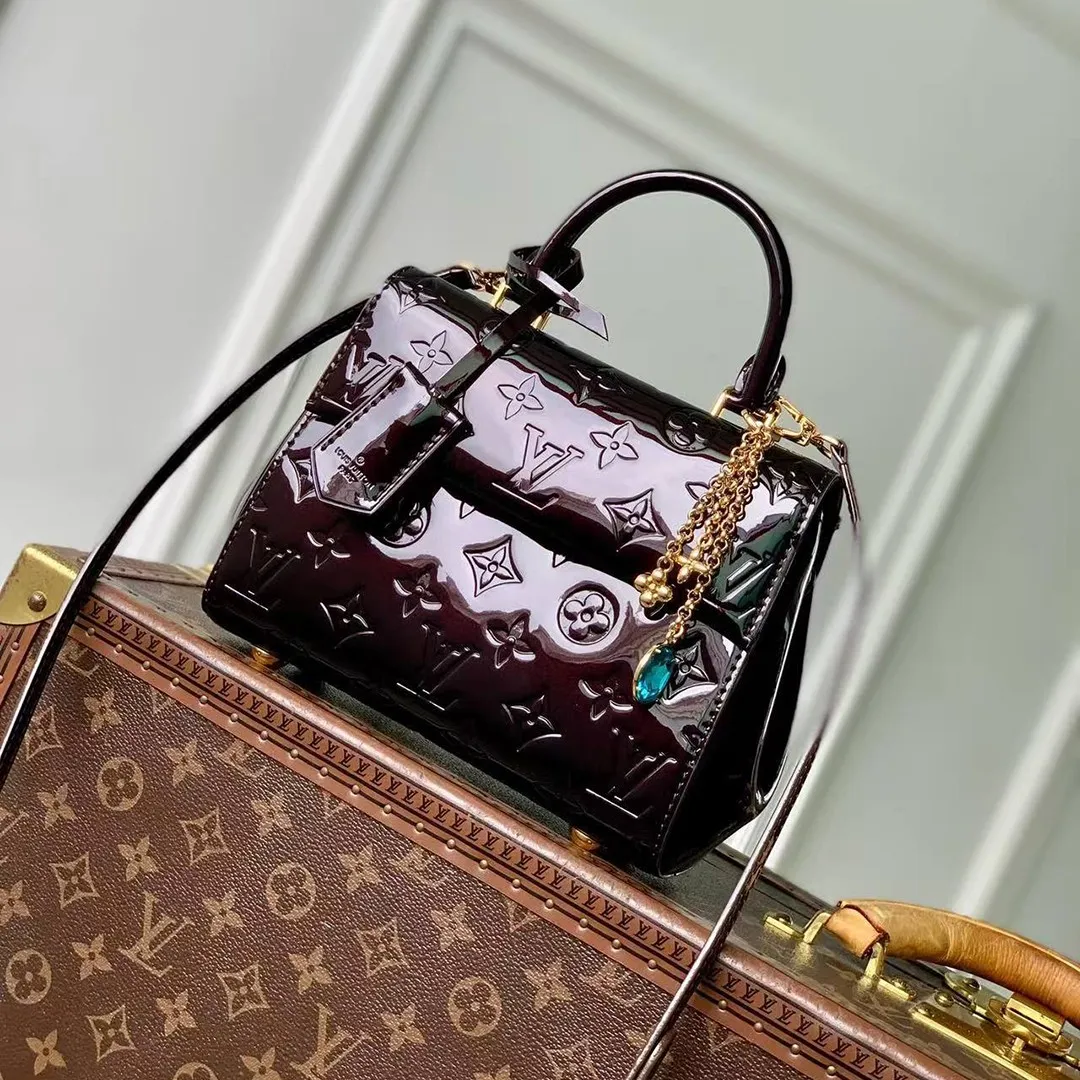
If you want the legal side of the inspired-versus-counterfeit line explained properly, The Fashion Law is the site I check, and it covers exactly where trademarks and design protection begin and end.
Related reading: Handbag Trends to Watch: What’s In, What’s Out, and What’s Worth Buyin · The Complete 101 Buying Guide · The Handbag Colors Dominating This Year (and How to Wear Them) · The Tote Bag Trend: Why Everyone Is Carrying One (and Which to Buy)
For more on this topic, the experts at Vogue Business offer detailed guidance.