
Gift Trends
Sustainable Gifting: What It Means in Practice
Sep
My sister announced two years ago that she was going “fully sustainable” for Christmas, and I was ready for the lecture. Then she gave me a thrifted wool sweater and a tin of cookies from a local bakery, wrapped in a cloth she’d used three times before. It was the best Christmas gift I’d gotten in years, and not because of the carbon math. It was because she’d thought about me, bought less, and chosen better.
That’s the part of sustainable gifting that never makes it into the articles. Everyone talks about materials and carbon footprints, but in practice the movement is really about one question: will this gift still matter in a year? If the answer is yes, the gift is sustainable no matter what it’s made of. If the answer is no — it’s a novelty gadget, a fast-fashion scarf, a plastic thing that breaks in March — then no amount of recycled packaging fixes it.
What “Sustainable Gift” Actually Means
There are two different ideas hiding inside the phrase, and it helps to separate them. The first is environmental: low-impact materials, less packaging, fewer shipping miles. The second is behavioral: giving fewer, better things that get used instead of stored. The second one matters more, and it’s the one most people can actually act on. A gift that gets used daily for five years has a tiny environmental footprint per use. A gift that gets used once and shoved in a drawer has an enormous one, no matter how responsibly it was made.
I run a leather goods shop, so I’m biased, but hear me out. A full-grain leather wallet that lasts fifteen years is one of the most sustainable gifts that exists. It replaces dozens of cheap wallets over its life, it’s fully repairable, and at the end it biodegrades instead of becoming landfill art. The most sustainable gift isn’t necessarily the one labeled “eco.” It’s the one built to outlast the trend cycle.
The Materials Question: Leather, Vegan, Recycled
This is where gifting gets confusing, because the labels fight each other. Vegan leather sounds sustainable, and some of it is — the plant-based versions from pineapple or mushroom are genuinely interesting. But a lot of what’s sold as vegan leather is plastic with a nice name, and plastic-backed materials peel and crack within a couple of years. I’ve seen customers come back frustrated because their “eco” bag fell apart, and honestly, the landfill doesn’t care about your intentions.
Real leather has its own issues, and I won’t pretend otherwise. Tanning can be dirty, and cheap leather from unclear sources is a real problem. But quality leather is also the single most repairable, longest-lasting material in the accessories world, and a well-made piece can be passed down rather than thrown out. The practical middle ground: buy leather from makers who are transparent about where it comes from, or buy pre-owned leather, which is about as sustainable as gifting gets. A vintage leather bag is the rare gift that’s both sustainable and impressive.
How to Shop Without Getting Greenwashed
Greenwashing is everywhere, and the holidays are when it peaks. “Recycled,” “eco-friendly,” “planet-loving” — these words get slapped on anything, usually by brands with nothing to back them up. I use three checks. One: does the brand say where the material actually comes from? If the website can’t name the material, the factory, or the tannery, the claim is decoration. Two: is the product built to be repaired? A bag with replaceable straps or a stitched construction you can actually have re-sewn is sustainable in a way a glued-together one never will be. Three: would the recipient still want it in five years? That one’s the fastest filter of all.
The packaging angle is easier than people think. Skip the ribbon-and-bows explosion. A gift in a simple dust bag or a piece of cloth wrapping, with a handwritten note, lands harder than anything covered in shiny plastic. The note is the part people keep. The plastic ribbon goes in the bin before lunch.
Why Longevity Is the Real Sustainability
Here’s my honest pitch for the sustainable gift that actually works: buy the thing that outlives the occasion. A leather card holder, a quality belt, a canvas-and-leather weekender — these aren’t trendy, they’re not Instagram bait, and that’s the point. They’re the gifts that get used until they’re worn, repaired, and used some more.
When I think about the sustainable gifts I’ve received, none of them came in eco-packaging. They were the wool sweater, the good knife, the leather fob I still carry. Sustainable gifting isn’t a product category. It’s a decision to give less and mean more, and the materials just need to keep up with that decision.
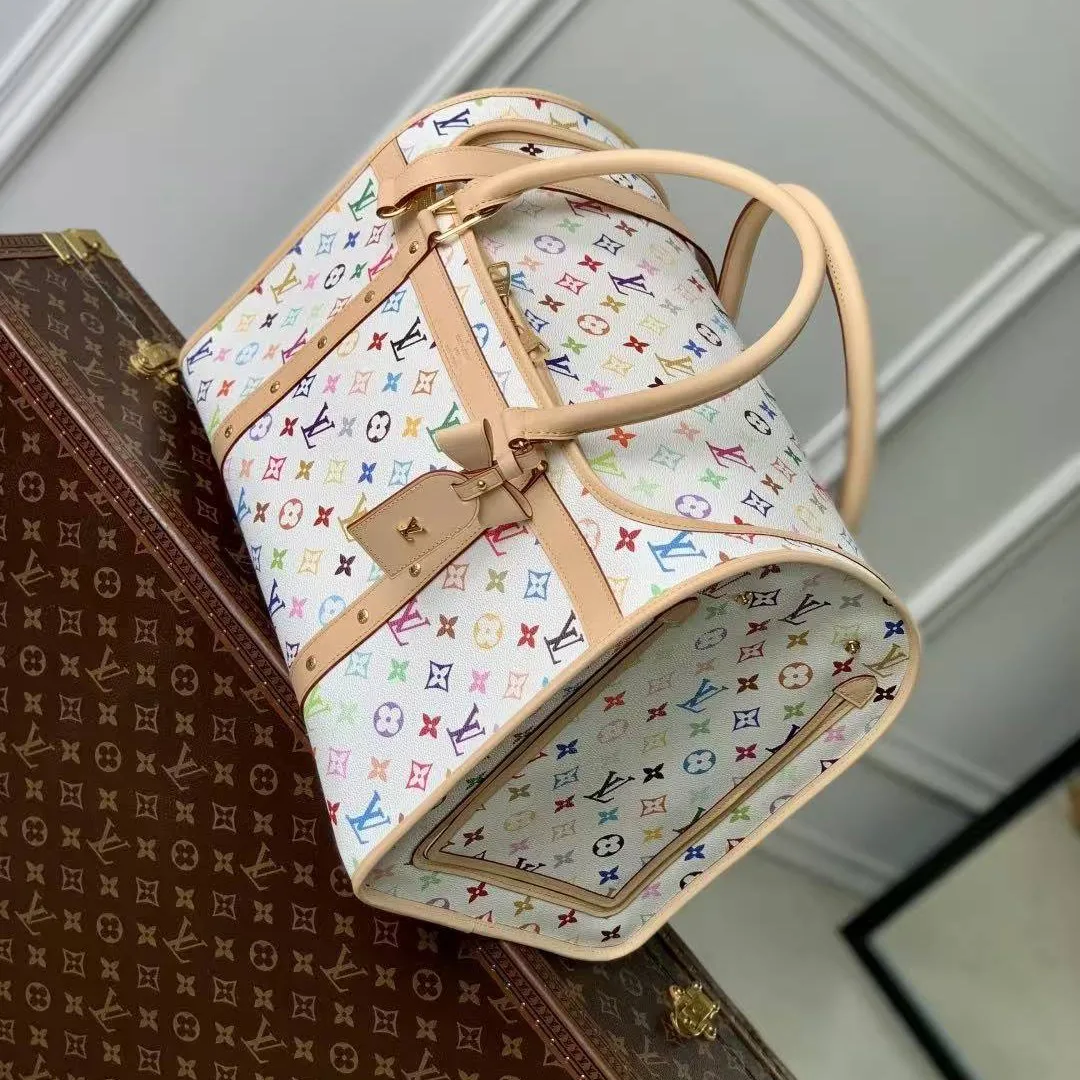
Looking for a gift built to last decades, not seasons? Explore the quality leather collection at ThePrimeBags.
For coverage of how sustainability is reshaping the fashion and accessories industries, WWD follows the story closely.
Related reading: Gift Trends: What People Actually Want as Gifts This Year · The Complete 101 Buying Guide · Gift Trends by Generation: Boomers to Gen Z · Last-Minute Gifts: The Trends That Save You
For more on this topic, the experts at Vogue Business offer detailed guidance.
For the industry perspective, The Business of Fashion publishes regular updates on this space.