
Gift Trends
The Personalized Gift Trend: Why It’s Not Slowing
Sep
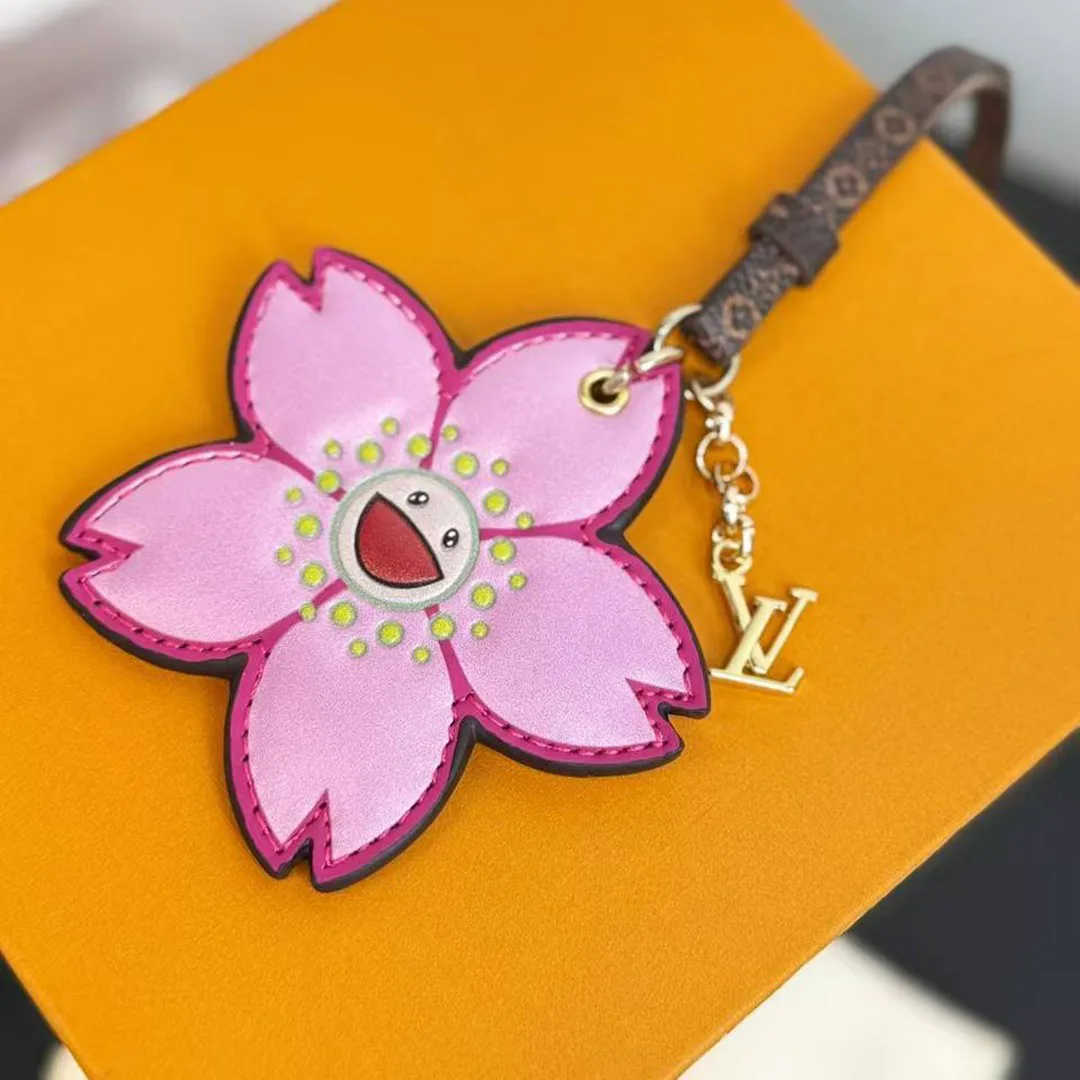
Every Christmas for the last five years, my aunt has given me something with my name on it. First a mug, then a cutting board, then a leather key fob with my initials stamped in gold. I rolled my eyes at the mug. The key fob, though? I still carry it. That’s the thing about personalization — it looks like a gimmick until someone does it right, and then it’s the gift you never regift.
Personalized gifting has been called a trend for a decade, and every year somebody declares it finished. It keeps growing anyway. Walk into any leather goods shop and you’ll see monogram stations and embossing machines doing steady business, not just before the holidays but all year. The reason isn’t sentimentality. It’s that a personalized gift quietly solves the three problems every giver faces: it can’t be the wrong size, it can’t be duplicated, and it can’t be exchanged for something better. Once you’ve given a gift with someone’s initials on it, all three doors close.
Why the Trend Keeps Growing
The numbers behind personalization are boringly consistent. Every holiday season, surveys show a big share of shoppers plan to personalize at least one gift, and that share creeps up annually. But I think the real driver is simpler: gift cards trained us to expect nothing, and we’re all a little tired of nothing. When you hand someone a card that says “to a gift of your choice,” you’ve outsourced the thinking. Personalization is the opposite — it’s thinking made visible. The recipient sees the extra step, the wait, the effort, and that alone is worth more than the object.
Leather is the category that benefits most, and it’s not close. A mug with a name on it is cute for a week. A leather wallet with initials embossed on the corner gets carried every single day for years. I’ve watched customers at our shop spend ten minutes choosing between two otherwise identical card holders, and the decision always comes down to the initials. The leather makes the personalization permanent, and the personalization makes the leather theirs.
The Right Way and the Wrong Way
There’s a version of personalization that feels like a participation trophy, and there’s a version that feels like the person actually knows you. The difference is restraint. A full name in giant block letters across a bag reads like luggage tags. Initials, a date, or a short line — that reads as considered. I tell people to personalize the way you’d write a note: short, specific, and a little private.
Take the date idea. A couple I helped picked out a tote and had their wedding date stamped inside the lining. You can’t see it from the outside, which is exactly why it works. Same with a father’s initials on the inside flap of a briefcase, or coordinates stamped on a travel bag. The best personalization is the kind only the recipient knows is there. It turns the gift into a private handshake.
The wrong way is easy to spot too. Anything that screams the occasion — “World’s Best Dad” in cursive on a belt, a name plus a date plus a message plus a logo — dates itself instantly. You’re not buying a gift, you’re buying a billboard. My rule: if you wouldn’t want it visible on a piece you wore to a job interview, skip it.
What to Personalize (and What to Leave Alone)
Some items take personalization beautifully; others fight it. Small leather goods are the sweet spot: card holders, wallets, key holders, passport covers. They’re handled constantly, so the personalization gets seen by the owner dozens of times a day. Belts work if the initials go on the tip or the keeper rather than the buckle area. Bags work best when the touch is discreet — corner initials, an interior label, a stamped strap end.
What to avoid: anything with an existing heavy pattern, anything in a slippery coated leather that will crack where it’s stamped, and anything the recipient might want to sell later. That last one matters more than people think. Resale platforms are full of beautiful bags that lost half their value because somebody stamped a name across the front. If you’re buying for someone who might trade up someday, keep the personalization invisible — or skip it entirely.
Where the Trend Goes From Here
I don’t see personalization slowing down, but I do see it getting smarter. The loud, gimmicky version is fading — the mugs, the plaques, the things that exist only to hold a name. What’s replacing it is functional personalization: pieces that are useful first and personal second. A monogrammed card holder. An engraved date inside a wallet. A bag with your initials where only you look.
That’s why this trend survives while other gift fads die. It was never really about the name. It’s about the fact that someone took the time, and leather is the material that lets that time show. If you’re shopping for someone you actually care about, that’s a hard combination to beat.
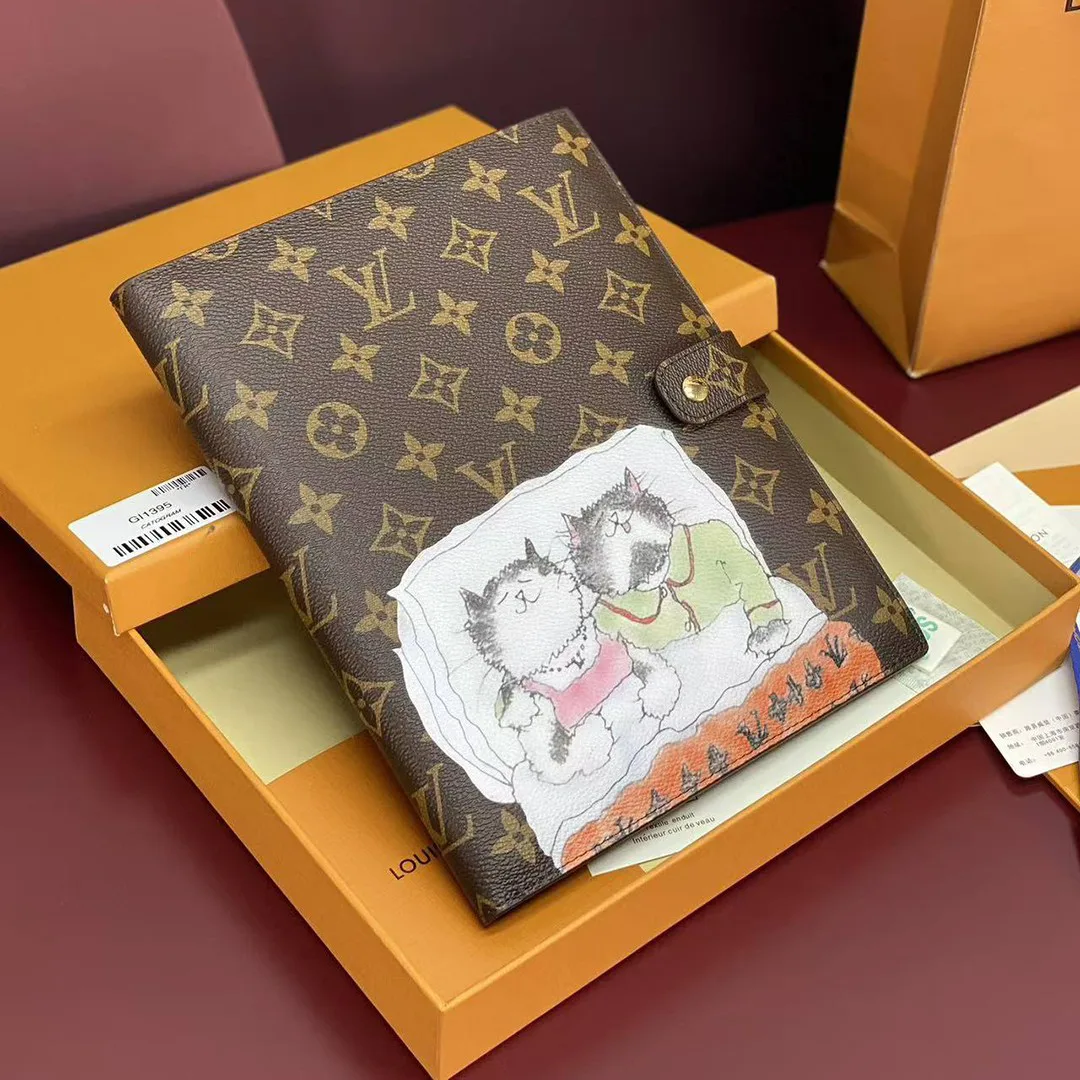
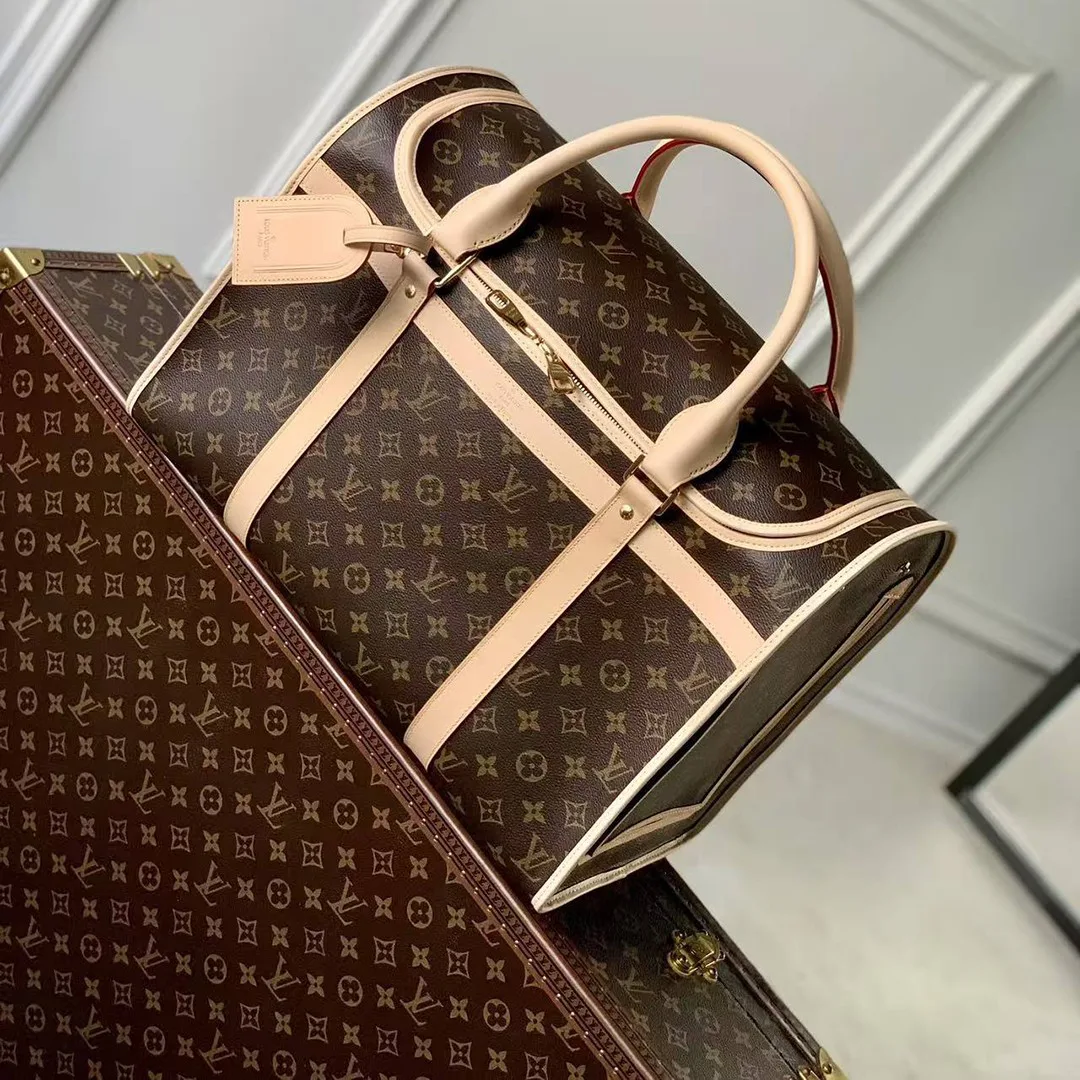
Ready to find a gift they’ll keep for years? Browse the full leather collection at ThePrimeBags and pick the piece worth personalizing.
For more on how the luxury gifting market keeps shifting, The Business of Fashion tracks the trends shaping what people buy and why.
Related reading: Gift Trends: What People Actually Want as Gifts This Year · The Complete 101 Buying Guide · Gift Trends by Generation: Boomers to Gen Z · Last-Minute Gifts: The Trends That Save You
Industry data and professional guidance from Vogue Business support this view.