
Shoe Styling
The Complete Guide to Shoes with Suits
Aug
The suit is the most formal thing most men and women will ever wear, and it’s also where shoe mistakes are most visible. A suit forgives nothing at the ankles. I’ve seen great suits completely undone by scuffed, wrong, or mismatched shoes — and I’ve seen cheap suits look expensive because the shoes were right. The shoes aren’t a detail of the suit outfit. They’re half of it.
This guide covers the classic rules, the rules worth breaking, and the details that separate “wearing a suit” from “looking like you own the room.”
The Classics: Oxfords, Derbies, and When Each Belongs
Start with the hierarchy, because it saves years of confusion. The oxford is the most formal dress shoe: closed lacing, sleek, the default for suits, weddings, and anything with a tie. The derby is the relaxed cousin: open lacing, slightly chunkier, fine with suits in softer fabrics and essential for casual tailoring. If you own one dress shoe, make it a black oxford. If you own two, add a dark brown oxford or derby. That pair covers every suit you will ever own.
Plain toe or cap toe? Cap toe — the one with the seam across the toe — is the versatile choice: it dresses up and down with equal grace. A plain toe is sleeker for evening, and a brogue (the one with decorative perforations) is more casual, best with brown suits and tweed. Match the shoe’s ornament to the suit’s formality: the louder the shoe, the softer the suit should be.
The Rules Worth Breaking
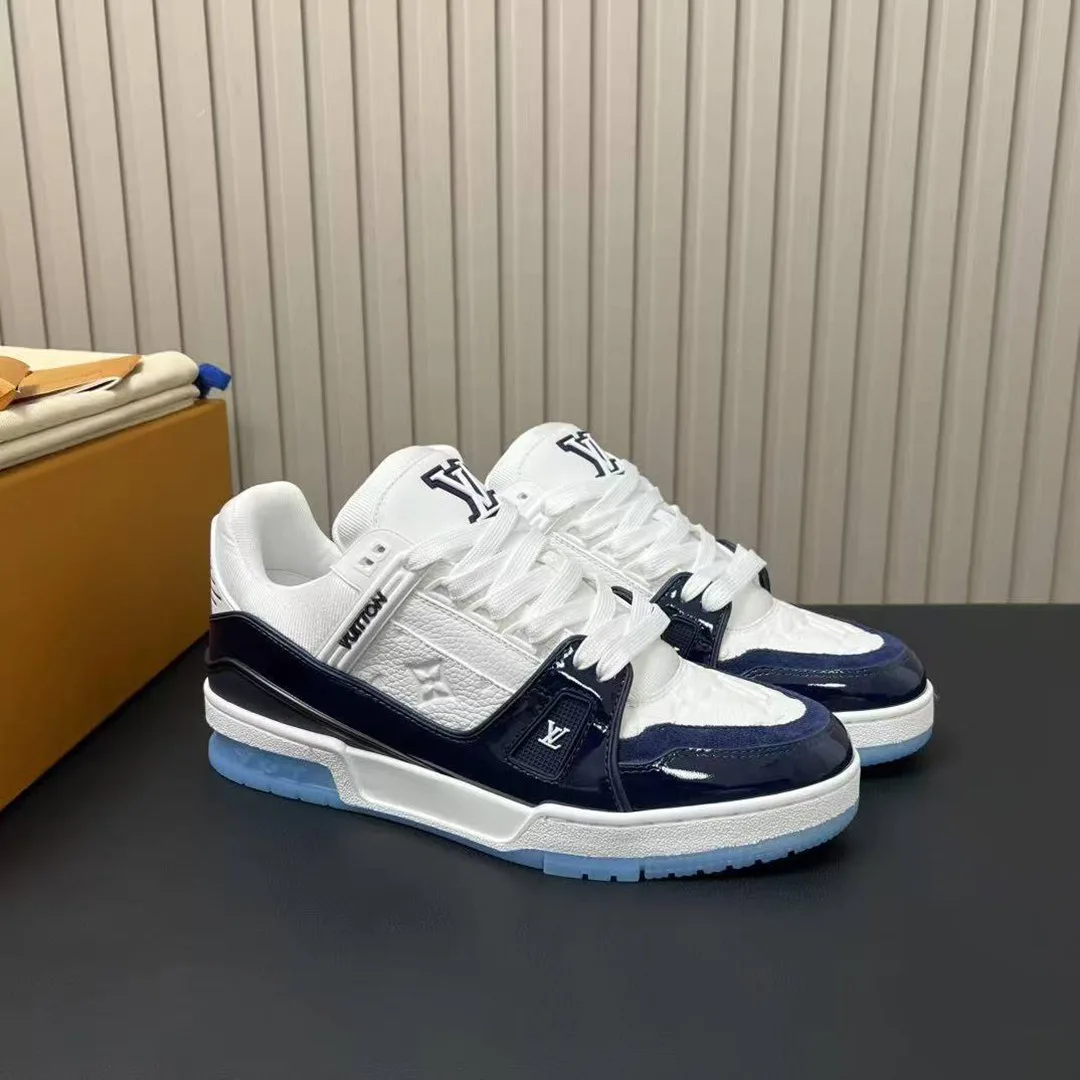
Not every rule deserves your obedience. Loafers with suits: yes, when the suit is relaxed — soft shoulders, flannel, no tie. No, when the suit is sharp and the meeting is serious. Chelsea boots with suits: yes, especially in winter, and they look modern in a way oxfords don’t. They need a tapered trouser so the boot shows. White sneakers with suits: I’ll say it — this can work, but only in creative offices and only with a clean, minimalist pair and no other casual element in the outfit. It’s a look, not a uniform, and it needs confidence to carry.
The rule that should never be broken: never wear a shoe more casual than the suit demands. A suit is a promise of polish. The moment the shoe undercuts it, the whole outfit reads as a costume.
Color and Leather: Matching Shoes to Suits
Color logic is simple once you learn the map. Black suits want black shoes, full stop. Navy suits take black or dark brown — black is sharper, dark brown is friendlier. Grey suits are the most flexible: black, brown, oxblood, burgundy, all work; black for formality, brown for warmth. Brown suits want brown shoes in a darker shade than the suit, and they’re a summer power move. And the charcoal rule: charcoal is formal, so keep the shoes formal with it.
Match the belt to the shoes — black with black, brown with brown — and match the leather finish too: polished with polished, suede with suede. This is the detail that makes people assume you have a stylist. Business of Fashion has noted how the tailoring market keeps leaning into heritage craftsmanship in footwear, and it shows: a well-made leather shoe, properly cared for, outlasts three cheap ones and looks better the whole time.
The Details That Kill the Look
Socks first, because they’re the most common crime scene. Socks must match the trousers, not the shoes — the sock should disappear. Black socks with a grey suit and black shoes breaks the line of the trouser. White athletic socks with a suit is not a choice, it’s a fireable offense in my book. If you want personality, pattern the sock while keeping its base color matched to the trouser.
The break of the trouser matters too: the hem should touch the shoe with a slight break, or fall clean without pooling. Puddling fabric over dress shoes looks sloppy, and floods look worse. Get the hem right and the shoes finally get to show their line. Finally: polish. A scuffed dress shoe ruins a suit faster than any fit problem, because it signals neglect in an outfit that’s supposed to signal care. Ten minutes with a brush and cream, once a week, and your shoes will carry the suit instead of dragging it down. And don’t forget the heel: a worn-down heel tilts the whole shoe and makes even a fresh suit look off-balance. Get heels replaced early — a cobbler can do it in a day, and it’s the cheapest upgrade in menswear. I tell every customer the same thing: the shoes are the first thing people judge, so make them the last thing you neglect.
Start with the classics, break the rules only when you know why, and keep the details honest. Shoes with suits is not complicated — it’s just unforgiving, and that’s exactly why getting it right pays off so well.
Building your suit rotation? ThePrimeBags carries the footwear that finishes tailoring the way it deserves — shop dress shoes and more.
Related reading: How to Style Shoes: Matching Footwear to Outfits Like a Pro · The Complete 101 Buying Guide · White Sneakers: How to Style the Most Versatile Shoe You Own · What Shoes to Wear with Dresses: A Complete Guide
For the industry perspective, Vogue publishes regular updates on this space.