
Shoe Styling
What Shoes to Wear with Dresses: A Complete Guide
Aug
Dresses are the easiest thing to wear and the hardest thing to shoe. I see it constantly: a woman finds the perfect dress, and then the outfit dies at the ankles because the shoes don’t match the dress’s energy. The dress is doing 80 percent of the work — the shoe needs to finish the remaining 20, not fight it.
The good news is the system is simple once you understand it. Two questions decide everything: what is the dress made of, and where does it end? Answer those two and the right shoe practically picks itself.
Match the Shoe to the Dress’s Weight
Think of a dress as having weight, even though it’s fabric. A silk slip dress is light and fluid — it wants a shoe that doesn’t drag it down: delicate sandals, strappy heels, ballet flats, clean white sneakers. A heavy knit dress or a wool midi has real mass — it wants a shoe with some substance too: boots, chunky loafers, block heels. The mismatch you see everywhere is the light dress stomping around in heavy boots or the chunky knit dress floating on dainty heels. Both look off, and both are easy to fix once you see the weight problem.
Texture matters in the same way. A dress with texture — linen, tweed, corduroy — can hold a shoe with texture: suede, pebbled leather, canvas. A smooth, shiny dress wants clean, simple shoes. Pairing shiny with shiny gets cheap fast; pairing shiny with matte keeps it elegant.
The Length Rules: Where the Hem Hits Changes Everything
Length is the second decision, and it’s the one most people get wrong. Midi dresses — the ones ending mid-calf — are the most forgiving: they work with heels, flats, sneakers, boots, loafers, almost anything. The hem hides the ankle, so the shoe becomes a supporting detail instead of a lead actor.
Mini dresses and skirts show everything, so the shoe carries real weight. Heels elongate the leg; flats and sneakers keep it playful; boots with a mini read edgy in a good way. Just make sure the shoe is clean and intentional, because at mini length, every scuff is on display. Maxi dresses are the trickiest: the shoe disappears under the hem, so comfort is the only rule that matters — nobody sees it, everyone walks in it. Wear flats or low heels and don’t overthink it.
One length warning: dresses that end exactly at the widest part of the calf fight every shoe. If your dress lands there, choose a shoe that lengthens the leg — a nude heel, a pointy flat — or get the hem adjusted an inch up or down. That one inch changes the whole outfit.
The Pairings That Just Work
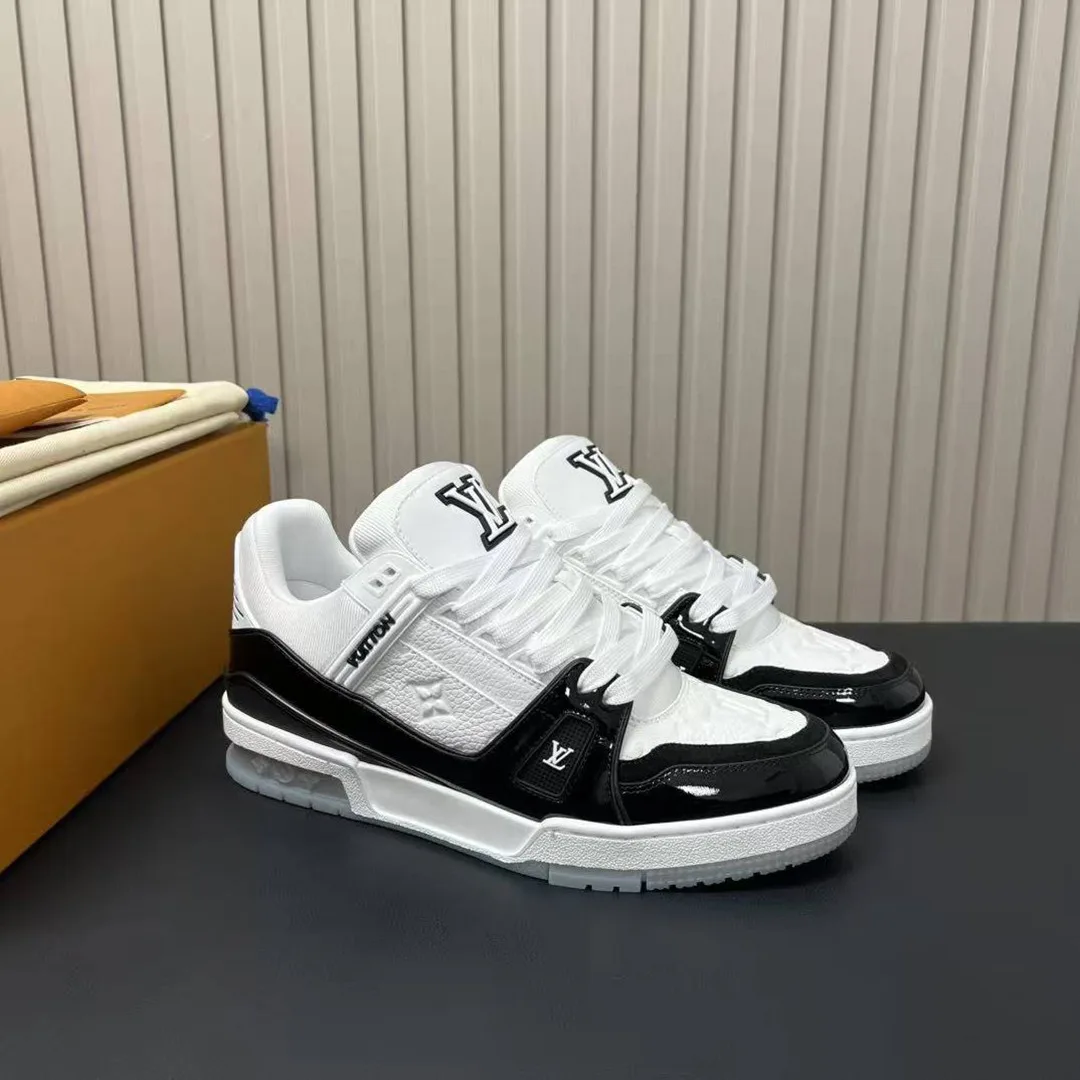
Let me give you the combinations I recommend daily, so you can stop guessing. Slip dress plus white sneakers: the modern evening-casual look, still the best thing going. Midi dress plus loafers: sharp, comfortable, office-appropriate, and it reads expensive. Sundress plus flat sandals or espadrilles: summer, done. Knit dress plus chelsea boots: autumn uniform, works every time. Bodycon or cocktail dress plus block heels: you can dance, you can stand, you can walk to the car — the block heel is the greatest invention in footwear.
Ballet flats are back in a big way, and they’re the answer to the “I want to look feminine but I can’t do heels” problem. With a midi or a knee-length dress they’re perfect. Just keep the flat minimal — a flat with a lot of hardware or a loud print competes with the dress.
The Pairings to Avoid — and the Sock Question
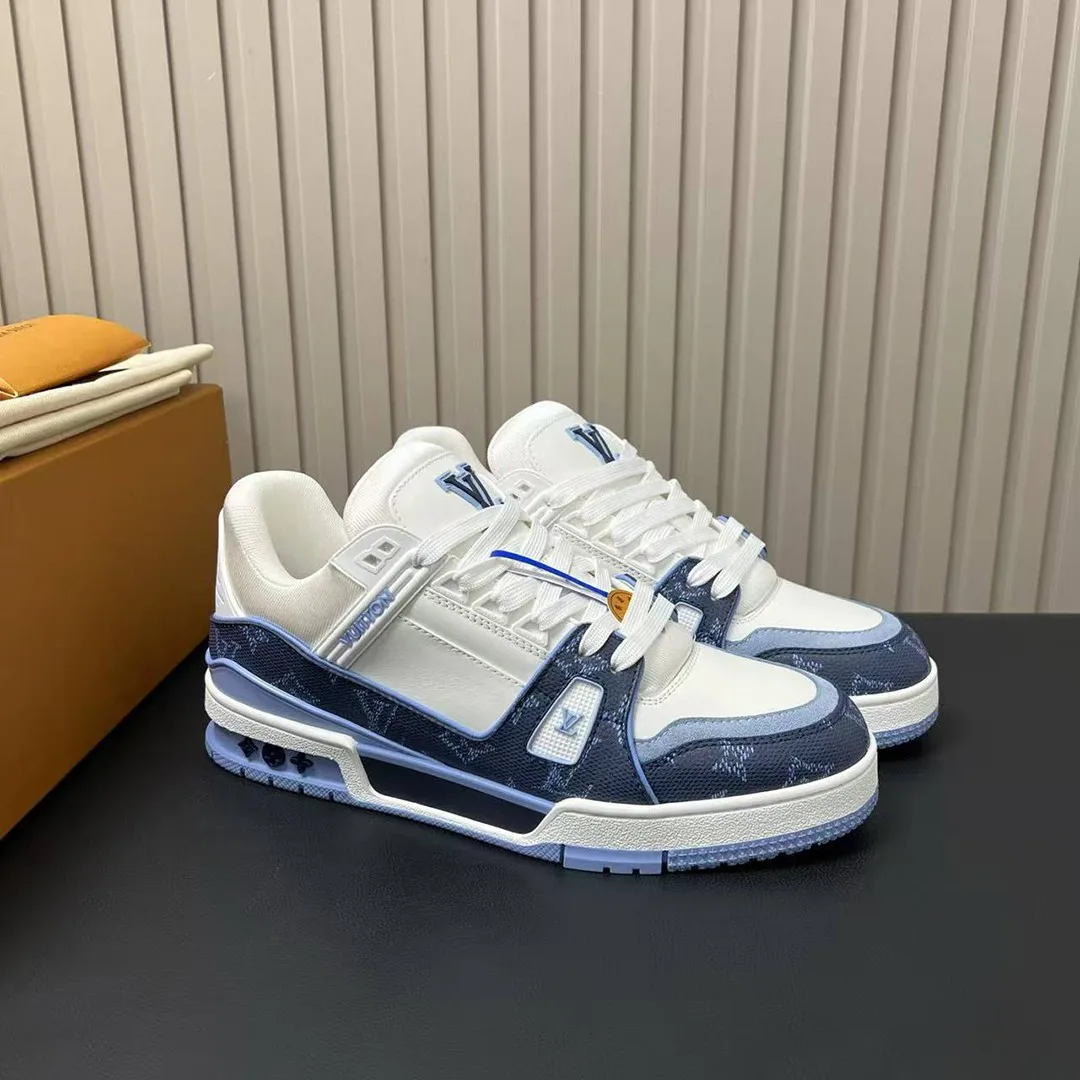
Now the don’ts, learned from years of watching outfits go sideways. Chunky athletic sneakers with a delicate dress — the contrast is costume, not style. Stilettos with a casual cotton dress — the formality mismatch reads like you got dressed in the dark. And white socks or visible stockings with open-toe shoes, which is the fastest way to make an outfit look dated. If you’re wearing tights with a dress, wear closed-toe shoes with them — open toes and tights is a pairing that has never once looked right.
Socks with dresses, when done right, are actually a look: crew socks with a mini and chunky loafers or sneakers reads collegiate and current. But it’s a statement, so make it the only statement. The rest of the outfit should be quiet.
The dress market keeps evolving, and Vogue Business has covered how comfort-driven footwear keeps reshaping how women dress — heels are no longer the default, and that’s a good thing. The shoe that makes you walk like a person will always beat the shoe that makes you suffer like a model.
Start with the dress, answer the two questions — weight and length — and let the shoe follow. It’s a system, not a mystery.
If you’re building the shoe side of your dress wardrobe, ThePrimeBags has a collection designed to finish outfits, not fight them — see our full shoe range.
Related reading: How to Style Shoes: Matching Footwear to Outfits Like a Pro · The Complete 101 Buying Guide · White Sneakers: How to Style the Most Versatile Shoe You Own · Work Shoes for Women: Comfortable Pairs That Still Look Professional
For the industry perspective, Vogue publishes regular updates on this space.