
Men Bag Guides
Quality Men’s Leather Bags Under $150: Where the Value Is
Aug
There is a rule in the leather world that goes like this: a real leather bag costs real money, so if you cannot afford real money, you should not buy a bag at all. I think that rule is lazy, and I have spent enough years around leather to say why. Under a hundred and fifty dollars you can absolutely buy a bag worth owning, but you have to know exactly where the money goes and where the corners are cut. The difference between a great budget bag and a disaster is not the price tag. It is the choices you make inside the price tag.
The First Rule: Never Buy Bonded, Even at $60
Let me start with the thing that eliminates half the market instantly. Bonded leather is made from leather scraps ground up and glued back together with a plastic coating on top, and at sixty dollars it is everywhere. It looks fine in the photos. It even feels fine in the store, for about three months. Then the coating starts flaking at the corners, the edges start fraying, and by year one you own a bag that looks like it is molting. I have owned exactly one bonded leather bag in my life. It taught me the lesson so thoroughly that I will never need to learn it again.
The good news: at a hundred to a hundred fifty dollars, real top-grain leather becomes genuinely available. It will not be the thickest hide, it will not have the fanciest finish, but it is real leather that will age instead of flake. That single distinction matters more than every other feature combined, because it is the difference between buying a bag and renting a bag.
Where the Money Should Go, in Order
At this price, you cannot have everything, so you have to choose. My priority order: leather type first, then stitching and construction, then hardware, then everything else. A plain bag with honest top-grain leather and solid stitching will last years. A fancy bag with bonded leather and glued straps will last months. The logo, the lining pattern, the number of pockets, the designer name, none of that extends the life of the bag by a single day.
So when you look at a candidate under a hundred fifty, run this checklist. Is the leather real, and can you confirm it? Turn the bag inside out if you can, the back of the hide does not lie. Is the stitching tight and even, with reinforced corners and strap attachments? Are the zippers heavy and smooth? Does the hardware feel substantial, not like costume jewelry? And is the inside lined with something that will survive a year of use? If the bag passes those, the price is almost an afterthought.
The Shapes That Work Best at This Price
Some bag shapes are friendlier to a budget than others, and it is worth knowing which. The backpack is the hardest to do well cheaply, because a good backpack needs padding, structure, and strap reinforcement, all of which cost money, so a cheap leather backpack is usually a trap, either flimsy or bonded. The messenger is the friendliest shape on a budget: less structure required, the flap hides a lot, and a well-made top-grain messenger at a hundred thirty dollars will embarrass bags twice its price. The briefcase and the tote sit in between: simple construction, big flat panels, and the leather does most of the work.
My personal pick for the budget sweet spot is the messenger or a simple tote, in a mid-brown or tan leather, because those colors hide the budget better than black, and they develop a patina that makes the bag look older and richer rather than worn. A budget black bag that gets scuffed looks scuffed. A budget tan bag that gets scuffed looks lived-in.
Do Not Ignore the Secondhand Market
Here is a move most men never consider, and it is the best value play in the entire game: the secondhand market. Men buy leather bags, carry them twice, and sell them for a fraction of the price when the bag was “not their style.” A bag that retailed at four hundred dollars can sit on a resale site at a hundred and twenty, and at that point you are not buying a budget bag at all, you are buying a premium bag at a budget price. The same checklist applies, plus one extra question: why is it being sold? If the answer is “wrong shape for my life,” you have found gold. If the answer is “strap broke” or “leather peeling,” walk away.
Just be careful about the fakes, because the budget resale market is full of them. Compare the hardware, the stitching, and the logo against photos of the genuine item, and if the price is too good, it is usually a counterfeit that will fall apart in a month and leave you with no recourse.
The Honest Verdict on Budget Leather
So here is where I land after all these years. At under a hundred fifty dollars, you can buy a real leather bag that will serve you for years, as long as you buy top-grain, buy simple, and buy from a maker who spent the budget on construction instead of marketing. You cannot buy a full-grain bag with hand-stitched details and solid brass hardware at this price, and pretending otherwise is how men get burned. Set the expectation right, spend the money on the right four things, and the value is genuinely there.
The math is simple when you run it over a decade. A hundred thirty dollar top-grain messenger that lasts eight years costs about sixteen dollars a year. A sixty dollar bonded backpack that dies in eighteen months costs forty dollars a year, and it looks terrible the whole time. Budget leather is not a compromise if you buy it smart. It is arithmetic.
For how retailers are thinking about the price tiers in leather goods, Retail Dive keeps an eye on the value end of the market.
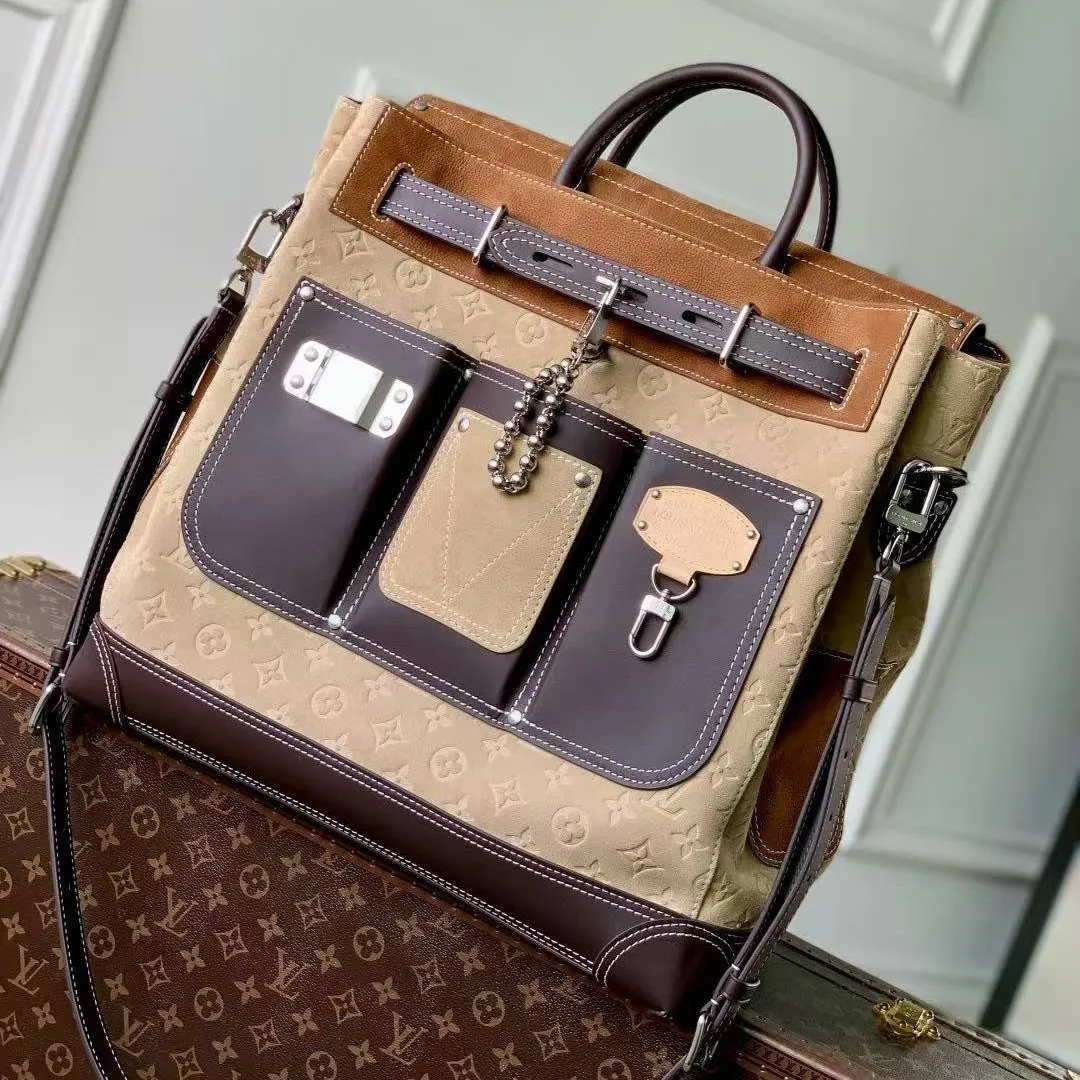
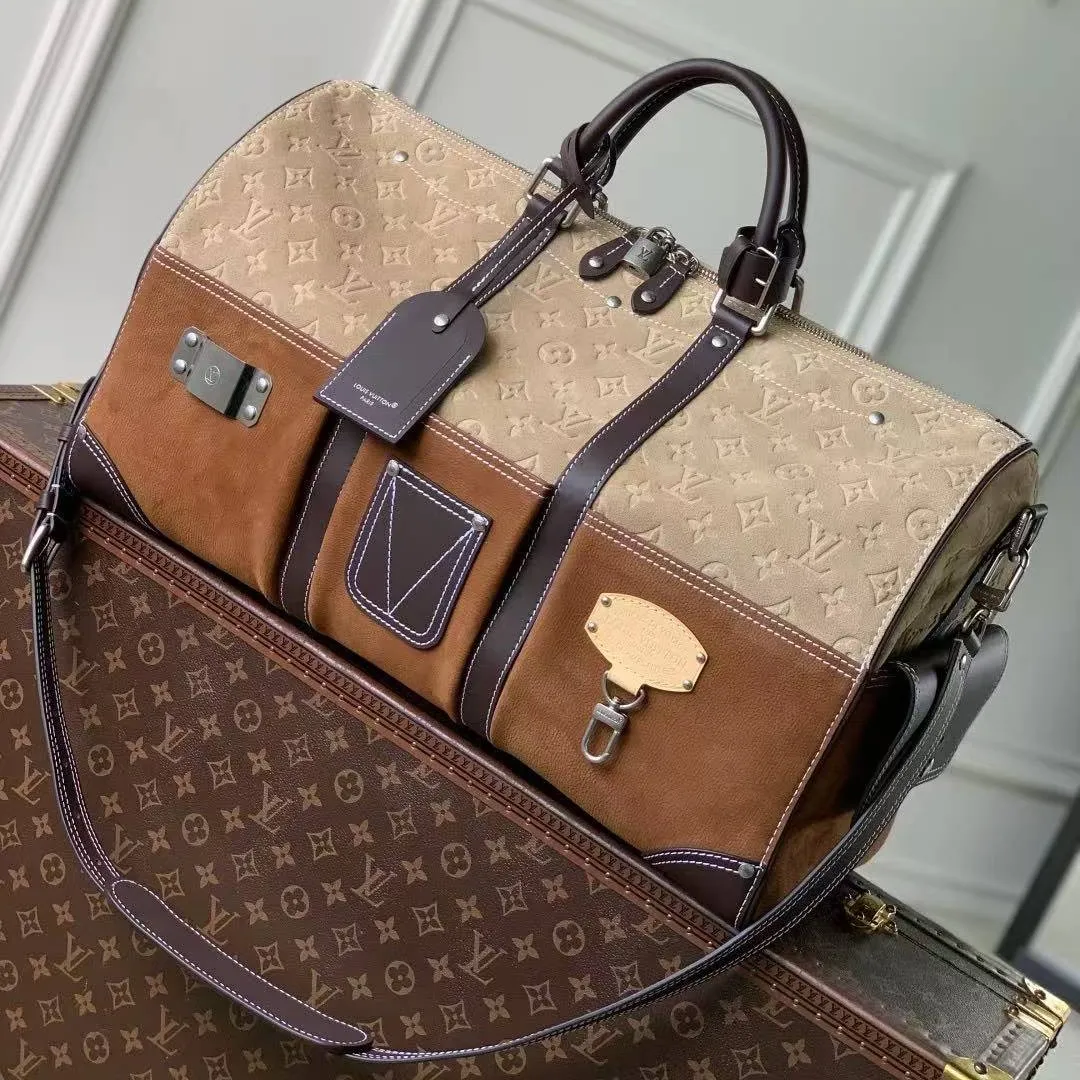
Want to see what real value looks like in person? Browse our men’s designer-inspired leather bag collection and judge the leather for yourself.
Related reading: Men’s Leather Bag Buying Guide: Briefcases, Backpacks & Messenger Bags · The Complete 101 Buying Guide · The Best Men’s Leather Backpacks: What to Look for and What to Avoid · The Men’s Leather Wallet Guide: Bifold, Trifold, Card Holder or Money
For the industry perspective, United States Leather publishes regular updates on this space.