
Men Bag Guides
The Best Men’s Leather Backpacks: What to Look for and What to Avoid

Aug
I have owned more backpacks than I can count, and most of them were a waste of money. My first “leather” backpack was actually bonded leather, which I found out the hard way when the corners started flaking after eight months of daily commutes. It looked fantastic in the product photos. It looked sad on the train platform in January. That mistake cost me about ninety dollars and a fair amount of dignity, and it taught me to actually look at what I was buying instead of trusting the marketing.
A leather backpack is one of those purchases where the good version and the bad version look nearly identical in a picture. The difference lives in the details: what the leather really is, how the straps attach, how the zipper feels at six in the morning when you are half awake. This is the checklist I wish I had back then, built from years of carrying, breaking, and eventually buying right.
Why Leather at All?
Let me be fair to nylon first. Technical backpacks have one job and they do it fine. They are light, they dry fast, they cost less than a dinner out. But they look like gym gear on a business casual Friday, and after two years they start to look tired in a way that no amount of washing fixes. A leather backpack reads as a choice. It says you thought about what you carry, and it ages in a direction that adds character instead of removing it. Those scratches and the patina become yours.
There is also a straight durability argument. A well-made leather backpack with proper stitching will outlive three nylon ones, and the math is not close. My current full-grain backpack is on year six. It looks better now than it did in year one, and the leather has taken on that warm, lived-in glow that no factory can fake. The nylon bag I bought alongside it died in year two when the shoulder strap stitching let go while I was sprinting for a train.
What to Look For, in Order
First, the leather itself. Full-grain or top-grain means a real hide that will age gracefully. Anything labeled bonded, reconstituted, or “genuine leather” in the fine print is scraps and glue, and it will flake within a couple of years. I have tested this personally so you do not have to. Second, the stitching. It should be tight, even, and reinforced at the stress points, especially where the straps meet the bag. Third, the zippers. They should feel heavy in hand and glide smoothly, not catch halfway. Fourth, the back panel and straps. If you carry a laptop daily, padding is not optional. A three-and-a-half-pound laptop in an unpadded backpack feels like a brick by Thursday.
The laptop compartment deserves its own paragraph. It should be padded on all sides, including the bottom, because that is where laptops actually die. I once owned a beautiful bag where the laptop sat directly on the floor of the bag. Every sidewalk bump went straight into the machine. That bag went back to the store within a week.
What to Avoid, the Traps
Bonded leather is trap number one, and it hides everywhere in the fifty-to-hundred-twenty-dollar range. Trap number two is glued construction. If the strap attachment is glued instead of stitched and riveted, it will fail, and it will fail at the worst possible moment, usually with something heavy inside. I have personally watched a glued strap detach in a crowded metro station, and the owner spent the next ten minutes chasing his belongings down the platform. Do not let that be you.
Trap number three is hardware that exists for looks. A bag with six buckles and four zippers looks rugged until you realize half of them are decorative. Every piece of hardware is a potential failure point, and every decorative strap is a place where the design will eventually peel. Minimal hardware, properly attached, wins every time. Trap number four is the logo-heavy design. You are paying for the branding, not the build, and logos date faster than leather ages. Five years from now, that giant emblem will be the reason the bag looks old, not the leather.
Size and Fit: Match It to Your Day
Think about what you actually carry, not what the bag promises in the listing. Around twenty liters is the sweet spot for most working men: it fits a fifteen-inch laptop, a lunch, a water bottle, and a light jacket without bulging at the seams. If you carry a sixteen-inch machine, check the internal dimensions before you buy, because a lot of “laptop backpacks” simply do not fit the big boys. And if your carry is minimal, go smaller. A twelve-to-fifteen-liter bag will look sharper and force you to stop hauling junk you never use.
Empty weight matters more than men admit. A gorgeous leather backpack that weighs four pounds empty will feel like eight by Friday afternoon. Two to three pounds empty is the comfort zone for daily carry, and that is a hard rule for me now. Also, try the straps with weight inside, not empty. A strap that digs into your shoulder with a laptop in the bag is a strap that is wrong, no matter how good the bag looks on the shelf.
What I Would Actually Buy
If you are on a tight budget, skip the sixty-dollar impostors and aim for the hundred-to-hundred-fifty range, where real top-grain leather with decent hardware becomes possible. If you can stretch past two hundred, you start getting full-grain hides, solid brass hardware, and construction that will genuinely last a decade. Either way, spend on leather, stitching, and zippers, and never on a logo. A no-name bag from a good maker will outlast a designer bag from a bonded-leather line at half the price.
One last thing, and it sounds soft but it is practical: buy the bag you want to grab on a Monday morning. I have seen men spend four hundred dollars on the “sensible” choice and never carry it. A bag you like gets worn, and a bag you like gets cared for. That is the whole secret.
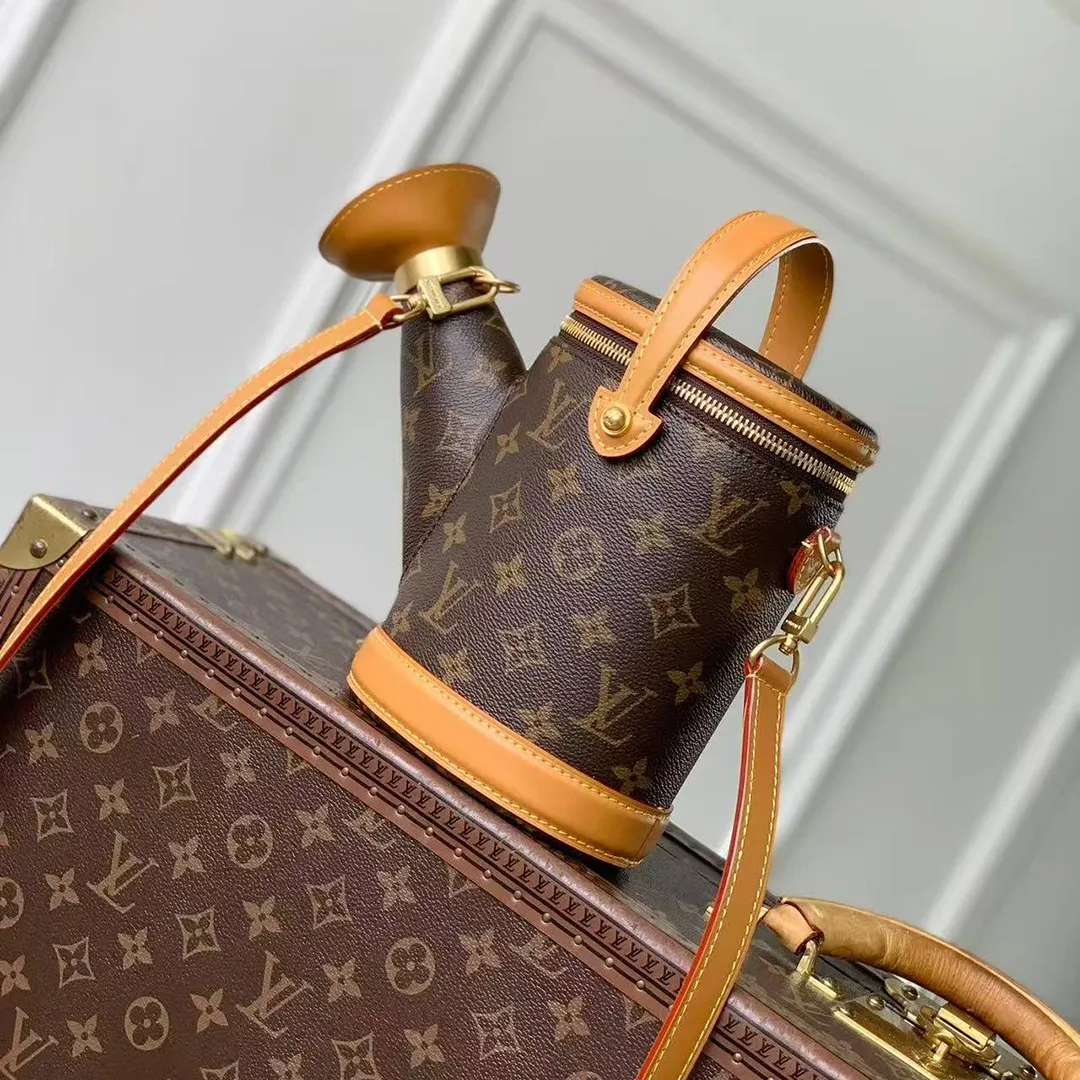
For a sense of where men’s accessories are heading, industry coverage from Vogue Business tracks how fast the men’s leather goods market is growing.
Ready to stop gambling on backpacks? Browse our men’s designer-inspired leather bag collection and find a backpack built to last.
Related reading: Men’s Leather Bag Buying Guide: Briefcases, Backpacks & Messenger Bags · The Complete 101 Buying Guide · The Men’s Leather Wallet Guide: Bifold, Trifold, Card Holder or Money · Men’s Bag Size Guide: What Fits a 13, 15 and 16-Inch Laptop
For the industry perspective, United States Leather publishes regular updates on this space.