
Men Bag Guides
The Men’s Leather Wallet Guide: Bifold, Trifold, Card Holder or Money Clip?
Aug
Ask ten men about their wallet and nine of them will tell you it was a gift, it is fine, and they have not thought about it since. That is a shame, because the wallet is the most-used leather item a man owns. It is in your pocket every single day, it gets sat on, sweated on, shoved into bags, and dropped in parking lots, and most men spend less time choosing it than they spend choosing a phone case. I have been through the full evolution, bifold to trifold to card holder and back, and I have finally landed on an answer that works. Let me walk you through the decision so you can skip the detours.
First, Count Your Cards
The wallet format is decided by one question: how many cards do you actually carry? Not how many you could carry, how many you use in a normal week. Take everything out of your current wallet and lay it on the table. If it is four to six cards plus some cash, you have a slim wallet’s life, and you should be in a card holder or a slim bifold. If it is eight to twelve cards, you need a real bifold, and maybe you need to retire a few loyalty cards while you are at it. If it is fifteen or more, you are not carrying a wallet, you are carrying a filing cabinet, and a trifold will only postpone the reckoning.
This matters because thickness is the enemy. A wallet that is a centimeter and a half thick is a wallet that digs into your thigh, wears out the pocket of every pair of trousers you own, and contributes to the classic man’s habit of sitting lopsided. The goal is a wallet that disappears in your pocket. That only happens when you carry fewer things, and the format follows.
Bifold vs Trifold vs Card Holder vs Money Clip
The bifold is the default for a reason: two panels, card slots on both sides, a cash pocket in the middle, everything in reach. A good leather bifold with six to eight slots will serve a man for a decade, and it is the safest gift and the safest self-purchase on this list. Its only sin is that it invites overstuffing, because there is always one more slot.
The trifold folds into three panels and crams more slots into the same footprint, and I will be direct: I think the trifold is the worst format for most men. The extra fold makes it thick, the extra panel makes it bulky in the pocket, and the extra capacity is exactly why men carry fifteen cards. Unless you genuinely need the capacity, skip it. The card holder is the modern answer: four to six slots, no cash pocket or a thin one, and it disappears in the front pocket like it was never there. It forces minimalism, which is its genius, and its weakness, if you are a cash person.
The money clip is for the man who carries cash and two cards, full stop. It is the thinnest option in existence, and it is also the easiest way to lose everything you own, because a clip holds less and slides out of shallow pockets. I carried one for a year and loved it, then switched back when I started carrying more cards. My current setup, for what it is worth: a slim bifold in the front pocket, cash folded, eight cards, and nothing else. That is the sweet spot for me.
What Good Leather Looks Like Up Close
Wallet leather gets abused in a way bag leather does not, so the quality bar is different. Full-grain is the gold standard and it will develop a patina that is genuinely pleasant to watch. Top-grain is fine and often more affordable. Bonded or “genuine” leather in a wallet is a crime, because the wallet will start flaking within a year and you will feel the flakes in your pocket every day. For the same reason, avoid anything with a heavily coated or patent finish on the outside; it looks great in the store and cracks like an old riverbed within months of daily pocket life.
Check the stitching like your life depends on it, because wallet seams take more flexing than bag seams. It should be tight, even, and every card slot should be stitched all the way to the edge, because slots that are glued at the edge will peel open. The leather itself should feel firm but supple, not stiff like cardboard. And the edges should be finished, painted or burnished, not raw, because raw edges fray first.
RFID, and the Features Nobody Needs
RFID-blocking wallets are everywhere now, and the honest answer is that most men do not need one; the tap-and-go cards in your pocket are not being scanned through your trousers by strangers at the frequency people fear. But if it costs nothing extra, it does not hurt. What does hurt is paying a premium for RFID protection on a wallet whose leather and stitching are mediocre. Spend on leather, not on fear.
Same logic for gimmicks: coin pockets in card holders, windows for your ID, pop-out mechanisms, bluetooth trackers built in. A wallet is a leather envelope. Every mechanism is a failure point and every extra layer is thickness. The best wallet you can buy is boring, thin, and made of excellent leather, and it will quietly do its job for a decade while fancier wallets get replaced every eighteen months.
The Patina Question and the Bottom Line
One thing I want every man to know: a good leather wallet gets better looking with age, and that is not marketing speak. My current wallet started as a medium brown and is now a warm, dark, polished thing with a history in its creases, and I would not trade it for a new one. That is the whole argument for buying real leather in the first place. The wallet that looks like a boring purchase in the store is the wallet that looks like an heirloom at year five.
So the format question comes down to your cards, and the quality question comes down to the leather, and the whole thing takes less thought than choosing a shirt. Count your cards, pick the thinnest format that holds them, and buy the best leather you can afford. Your back pocket will thank you.
For the market numbers behind the leather goods boom, this verified market research on the luxury handbag market puts the scale of the industry in perspective.
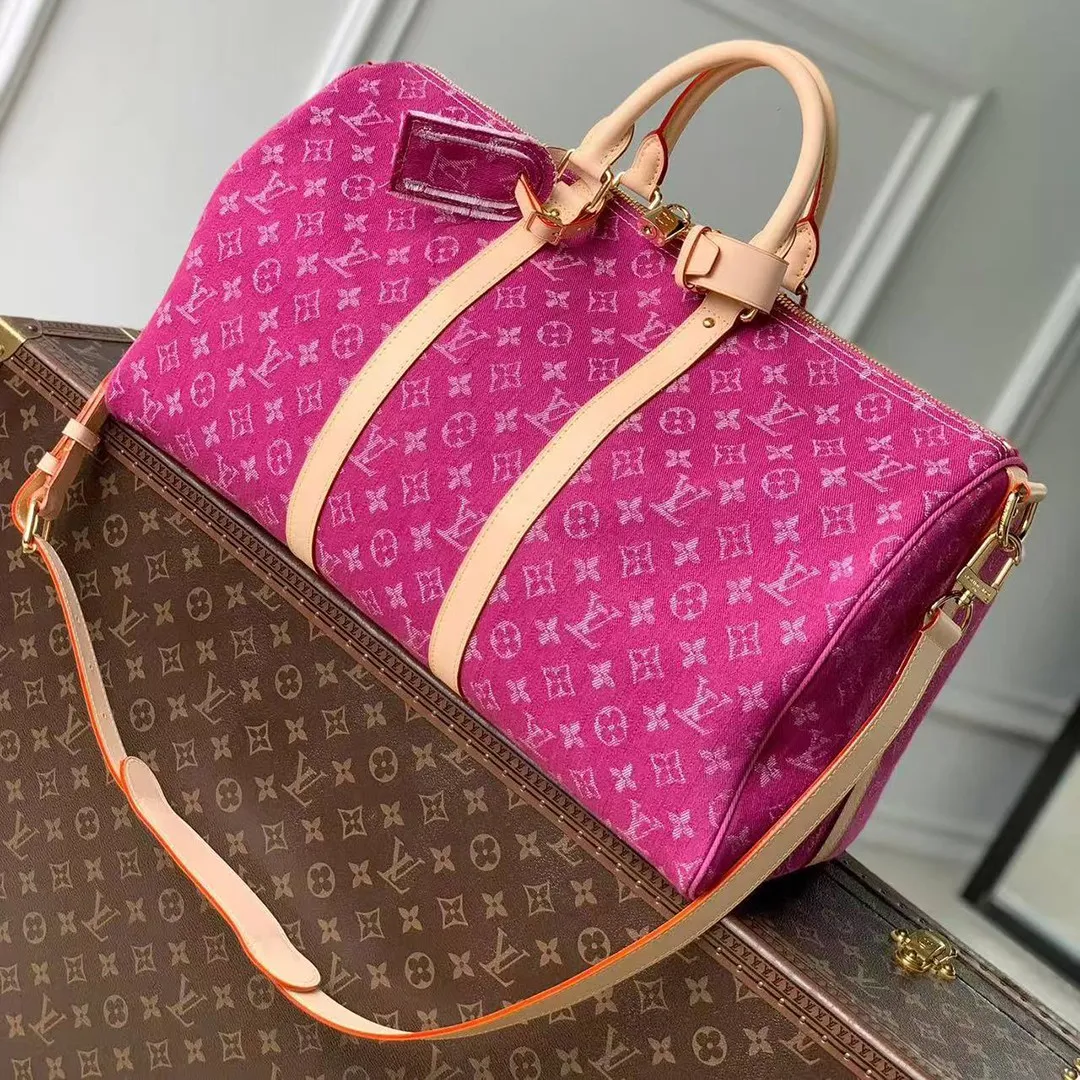
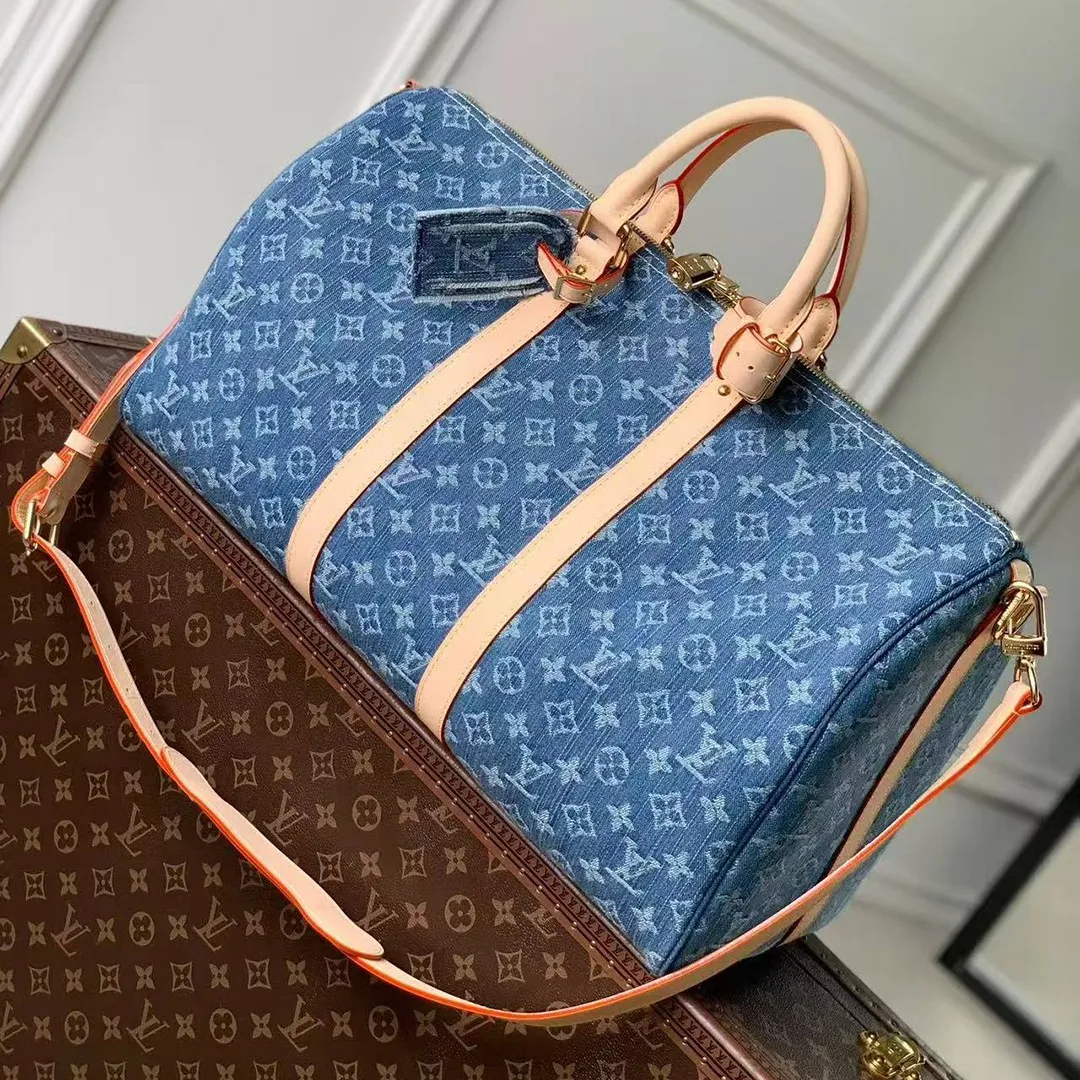
Ready to upgrade your daily carry? Check out our men’s designer-inspired leather bag collection and pair a real leather wallet with a bag built to match.
Related reading: Men’s Leather Bag Buying Guide: Briefcases, Backpacks & Messenger Bags · The Complete 101 Buying Guide · The Best Men’s Leather Backpacks: What to Look for and What to Avoid · Men’s Bag Size Guide: What Fits a 13, 15 and 16-Inch Laptop
Industry data and professional guidance from United States Leather support this view.