
Women Bag Trends
Quiet Luxury Handbags: What It Means and Why It’s Taking Over
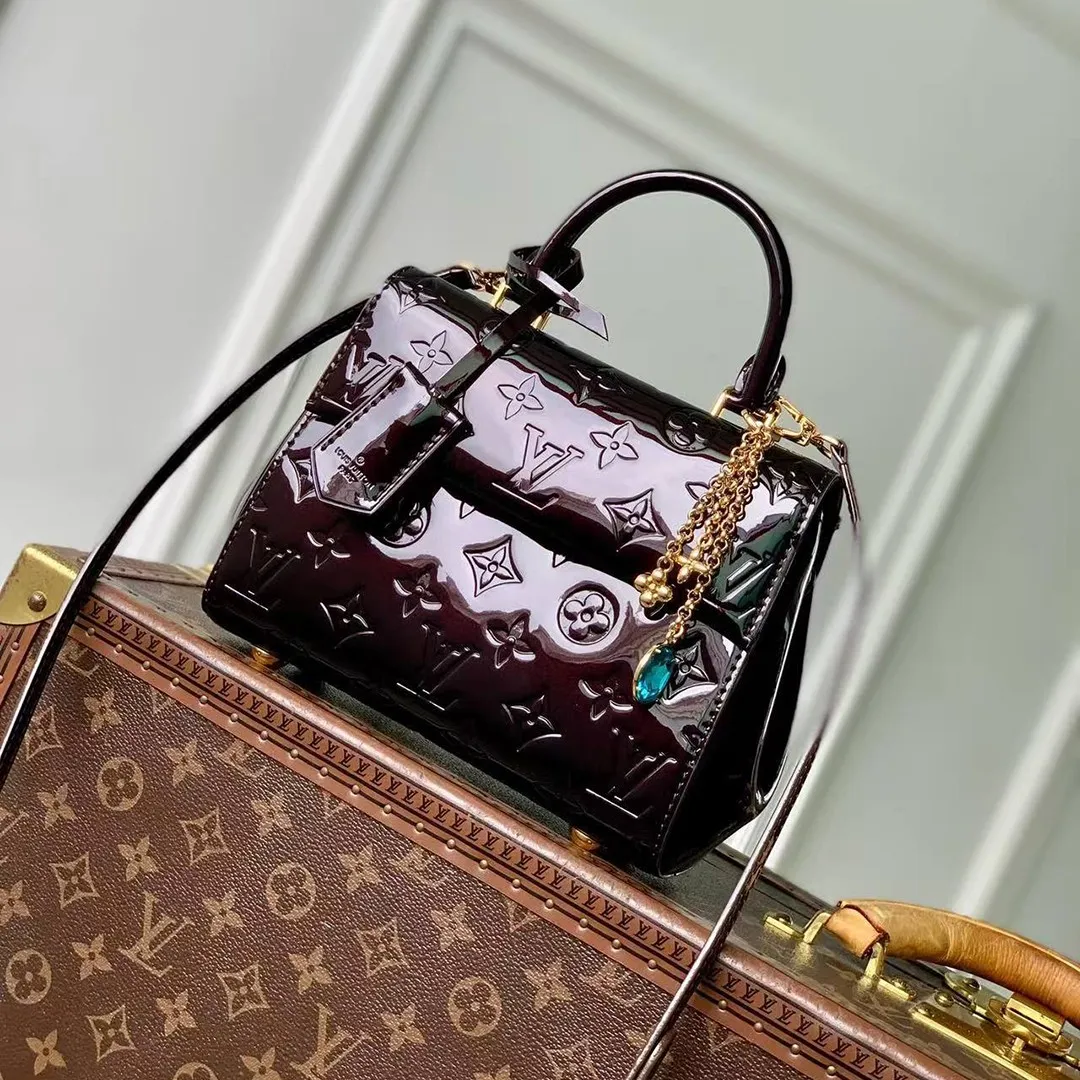
Aug
“Quiet luxury” sounds like something a marketing agency invented in a meeting, and honestly, part of it is. But underneath the buzzword there is a real shift, and I have watched it play out at my own counter. Customers who used to walk in asking for the loudest logo now ask three questions before anything else: what is the leather, how is it stitched, and what does the lining look like. That did not happen five years ago.
The shift is simple to describe: the status moved from the logo to the leather. People still want to signal taste and money, that instinct is not going anywhere, but the signal changed. A bag with no branding at all now reads as expensive, while a bag covered in logos reads as, well, loud. This article is about what quiet luxury really means, how to spot it, and whether you actually need to pay designer prices for it.
What Quiet Luxury Actually Means
At its core, quiet luxury is wealth signaling without the spelling out. The bag is the same idea as a tailored suit with no visible brand: the quality is the message, and only people who know quality can read it. That is the point. It is exclusive in a way that a logo can never be, because a logo can be bought for fifty dollars on a street corner and a perfect piece of full-grain leather cannot.
Where did it come from? A reaction, mostly. The logomania years, giant monograms and hardware everywhere, hit a saturation point, and the fashion cycle swung. Pop culture helped too, with a certain TV show about a very rich family dressing its characters in unlabeled cashmere while the internet lost its mind over it. And the resale market sealed the deal: logo pieces date fast, while clean, quality pieces hold value for decades.
How to Spot a Quiet Luxury Bag (Without Paying for the Label)
Here is the part that surprises most people: you do not need a designer name to get quiet luxury. You need a maker who obsesses over materials. The checklist is short and learnable. First, the leather: pinch it, smell it, look at the grain. Real full-grain leather has an irregular, natural surface and a leather smell; corrected leather feels plasticky and uniform. Second, the stitching: it should be even, tight and straight, with no loose threads at the seams, and the edge paint should be smooth, not cracked. Third, the hardware: pick the bag up and feel the weight of the zipper and clasp. Cheap hardware is light and rattles. Good hardware has heft and moves smoothly.
That is the entire secret. Quiet luxury is not a mystery, it is a list of quality signals, and any maker who gets those right can produce a bag that reads as far more expensive than it is. Which, conveniently, is the business I am in.
Why It Is Taking Over
The industry side explains the rest. Luxury handbag prices have climbed hard, and a growing number of buyers decided they were paying for the name rather than the craft. At the same time, wearing obvious wealth to the office feels wrong in a way it did not before, and nobody wants to be the person flashing a logo wall in a meeting. And on the resale side, quiet pieces hold their value better, which matters to a generation of buyers who treat bags like assets.
None of this is a secret to the big brands, obviously. They have all launched their own no-logo lines, which is the surest proof that the trend is real and profitable.
There is a generational angle too. Younger buyers grew up with logos everywhere and they read them differently: as advertising they are wearing, not as a signal of taste. The no-logo bag is the opposite, a quiet code that says you know the difference between a name and a craft. That is a much more interesting signal to send, and it costs the same.
My Honest Take on the Hype
I love this trend, because it rewards the things I actually care about: materials, construction, longevity. But there is a catch, and you should hear it from someone who sells bags: “quiet” has become a price multiplier. Some brands charge a premium for removing their own logo, which is absurd when you say it out loud. You are paying extra for less.
So here is my advice. Buy the quality signals, not the label. A no-logo bag in excellent leather, with good stitching and solid hardware, will serve you for a decade, and nobody will ever ask you what brand it is, because it will not matter. That is the whole point of the trend, and it is the best news for value shoppers in years. If you want to feel the difference for yourself, our women’s designer-inspired bags are built around exactly this idea: materials first, the name never.
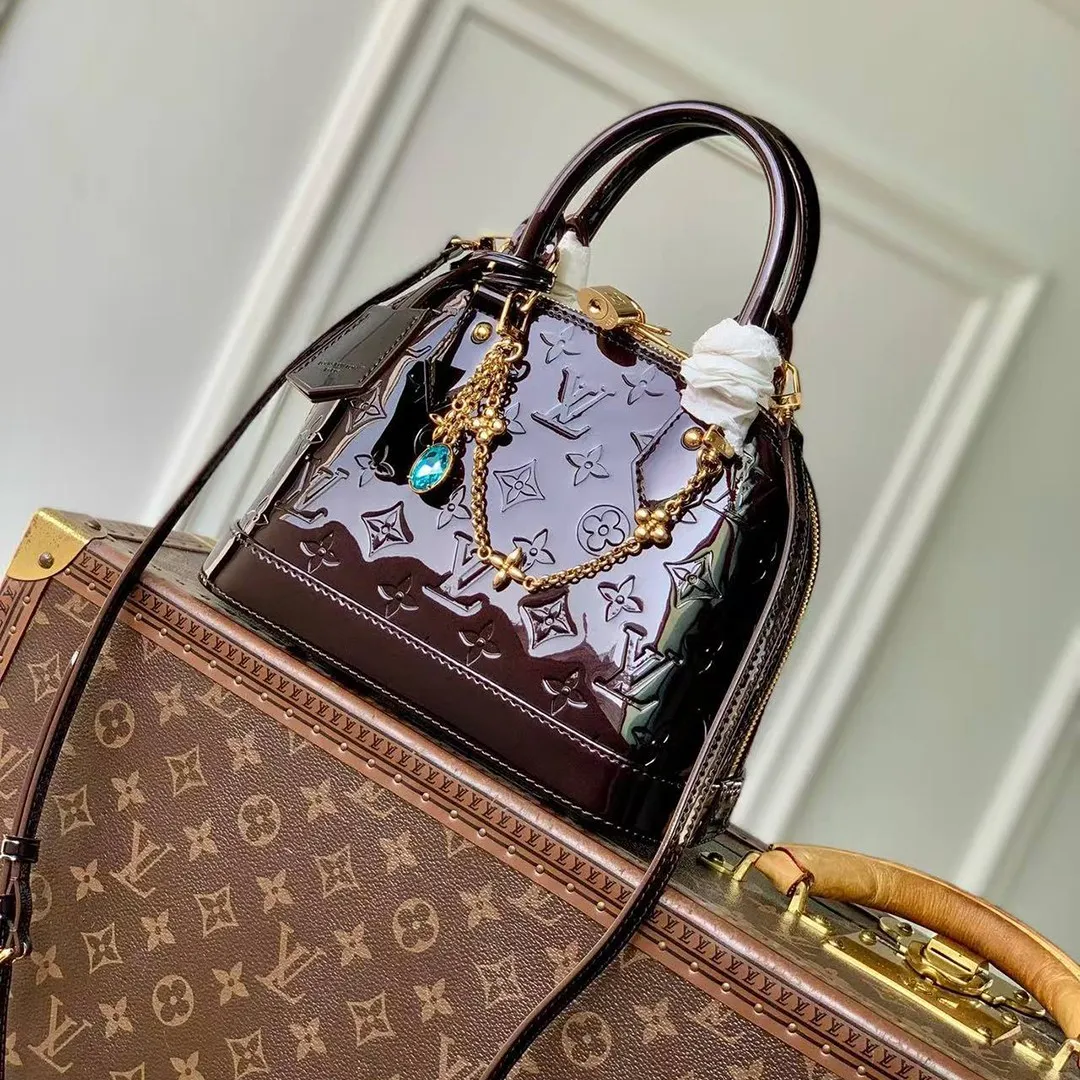
For the industry-side view of how luxury brands are repositioning around craft, The Business of Fashion has the most reliable coverage I have found.
Related reading: Handbag Trends to Watch: What’s In, What’s Out, and What’s Worth Buyin · The Complete 101 Buying Guide · The Handbag Colors Dominating This Year (and How to Wear Them) · Designer-Inspired Bags: Why Affordable Takes on Luxury Are Trending
For more on this topic, the experts at Vogue Business offer detailed guidance.