
Fashion & Styling
Why Do People Love Designer Fashion?
Aug
Designer fashion inspires a level of devotion that other products rarely match. People queue for releases, save for months, and defend their favorite houses in arguments. The obvious explanation is status: designer labels signal wealth and taste. But that is a partial answer, because the love runs deeper than signaling, and understanding the real reasons changes how you think about your own wardrobe.
I have collected designer inspired pieces for years and studied why certain designs command such loyalty. The reasons fall into categories that go beyond the logo.
Design as Art and Craft
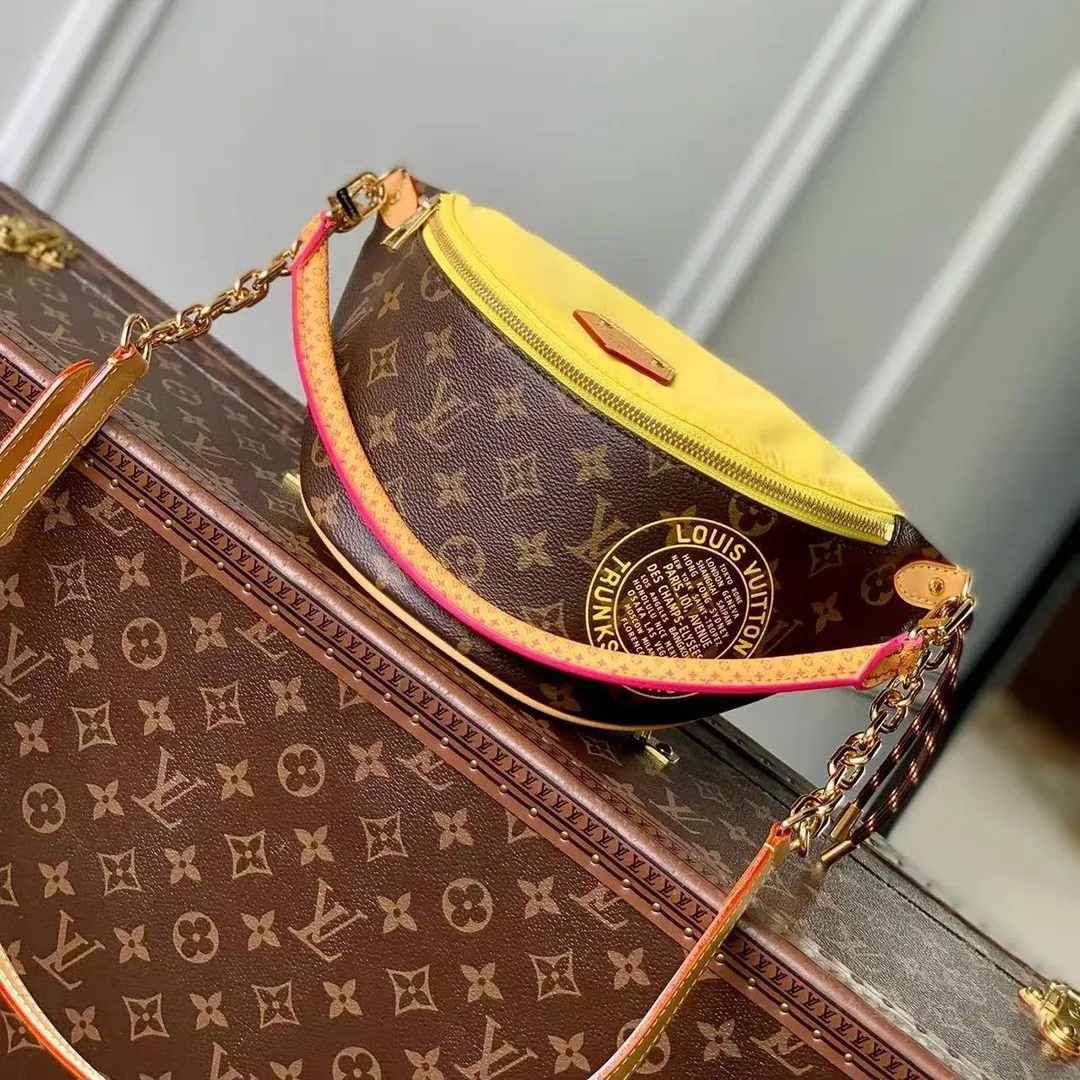
At its best, designer fashion is wearable art. The great houses employ designers who study proportion, color, and material the way painters study composition. A well-designed bag or coat is the product of thousands of decisions, and that craft is visible to anyone who looks: the way a seam follows a curve, how a fabric drapes, the balance of a silhouette. People who love fashion are responding to real quality, not just labels.
This is why designer pieces feel different in the hand. The materials are better, the construction is more careful, and the design has been refined over decades or centuries of iteration. The love of designer fashion is, at its core, an appreciation of excellence.
The Story and Identity
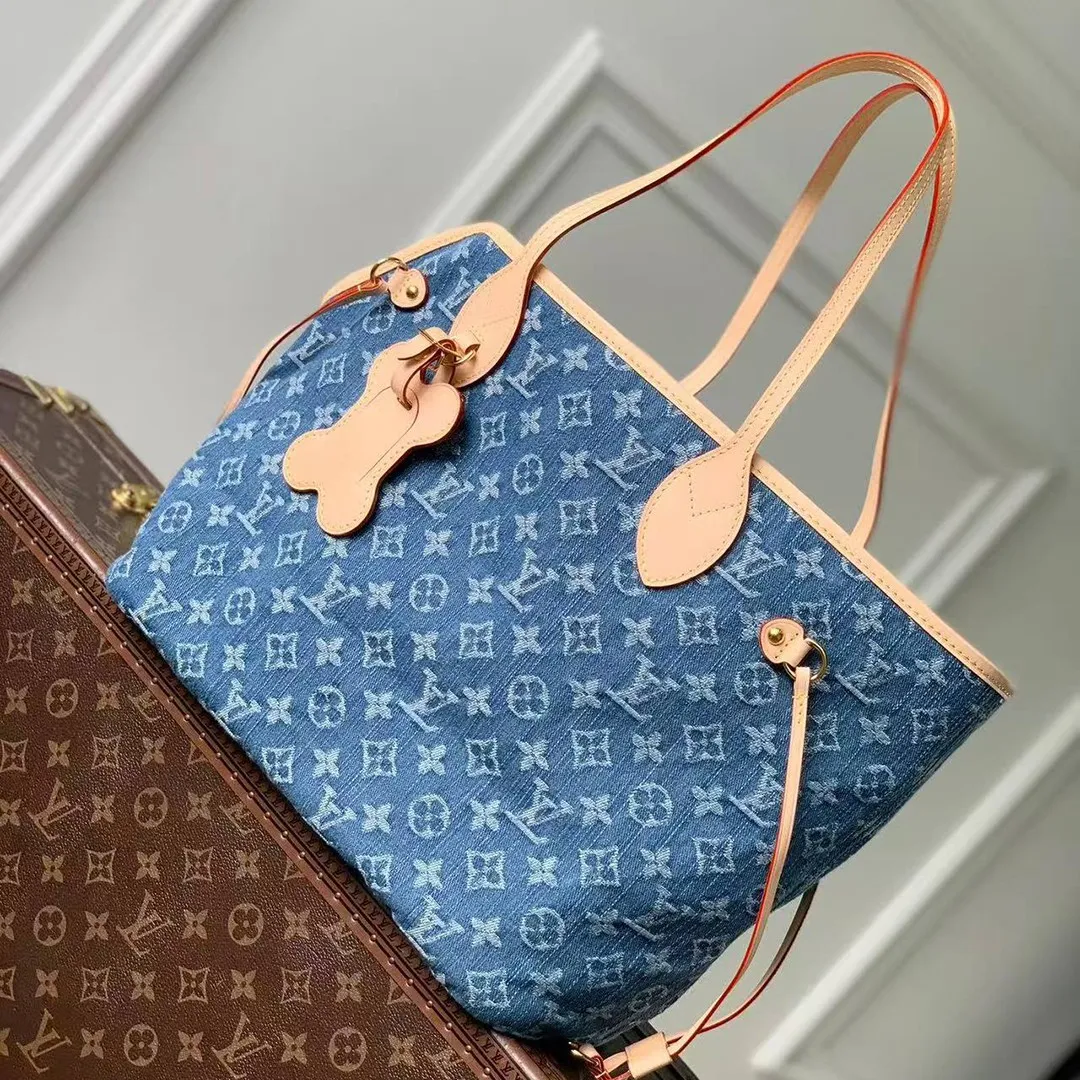
Designer houses sell stories as much as clothes. A house with a century of history, a signature technique, a defining collection, offers the buyer a connection to something larger than a garment. Wearing a piece with that history is a way of participating in it. This narrative layer is why people feel loyalty to houses rather than just styles.
There is also personal identity. Fashion is how many people express who they are before they say a word, and designer pieces carry clear aesthetic signals. Choosing a house is choosing a visual language: the structured minimalism of one, the romantic draping of another. The love of designer fashion is partly the love of finding the language that says you.
The Craft of the Clothes Themselves
Beyond status and story, there is the simple fact that well-made clothes behave better. Quality materials wear gracefully, hold their shape, and feel good against the skin. Construction details, reinforced seams, quality zippers, proper lining, make garments and bags last for years instead of seasons. For people who have experienced both ends of the quality spectrum, the difference is not subtle; it is the whole point.
This is the part of designer fashion that survives trend cycles. Logos fade; quality does not. And it is the reason many seasoned buyers choose understated designer pieces over logo-heavy ones.
What This Means for the Rest of Us
Here is where the designer love story becomes useful. You do not need the original houses to get the craft, the story, or the identity. Designer inspired fashion captures the design language, the silhouettes, the materials approach, and the aesthetic identity of the great houses at a fraction of the price. The craft is not identical, but for most wardrobes, the gap between a quality inspired piece and the original is far smaller than the price gap.
The result is the same appreciation: pieces that feel considered, that carry a design story, and that express identity. What you lose is the brand name itself, and what you gain is the freedom to build a wardrobe around design rather than logos.
The Takeaway
People love designer fashion for real reasons: the craft, the story, the identity, and the quality of the pieces themselves. Status is part of it, but it is the shallowest part. The deeper appreciation of design and quality explains why the love persists and why it transfers so easily to well-made inspired pieces. The designer spirit, if not the label, is available to everyone.
Experience the design language: explore our designer inspired bag collection or browse the full shop for pieces built on craft, not just labels.