
Fashion & Styling
What Are the Best Scarves to Buy?
Sep
The scarf is the most versatile accessory in fashion, and the “best” scarf to buy depends on what it will do: warmth, style, travel, or all three. The good news is that a well-chosen scarf is a small investment with outsized returns, and the buying logic is consistent across seasons and budgets. Once you know the categories and the materials, choosing becomes easy.
I have owned scarves across every material and price point, and the ones that earned their place all fit a clear role. Here is the buying guide.
The Material Guide
Material decides everything about a scarf’s performance. Silk is the luxury standard: lightweight, lustrous, and perfect for styling year-round, though it is delicate and not for warmth. Wool and cashmere are the warmth specialists: cashmere is lighter and softer than wool for the same warmth, and merino wool is a durable mid-weight option. Cotton and linen scarves are the summer choices: breathable, washable, and casual. Blends, like silk-cotton or wool-acrylic, balance cost and performance.
The honest rule: buy the best material you can afford for the scarf’s main job. A cashmere scarf for winter warmth is worth the premium; a silk scarf for summer styling does not need to be investment-grade.
The Sizes That Cover Everything
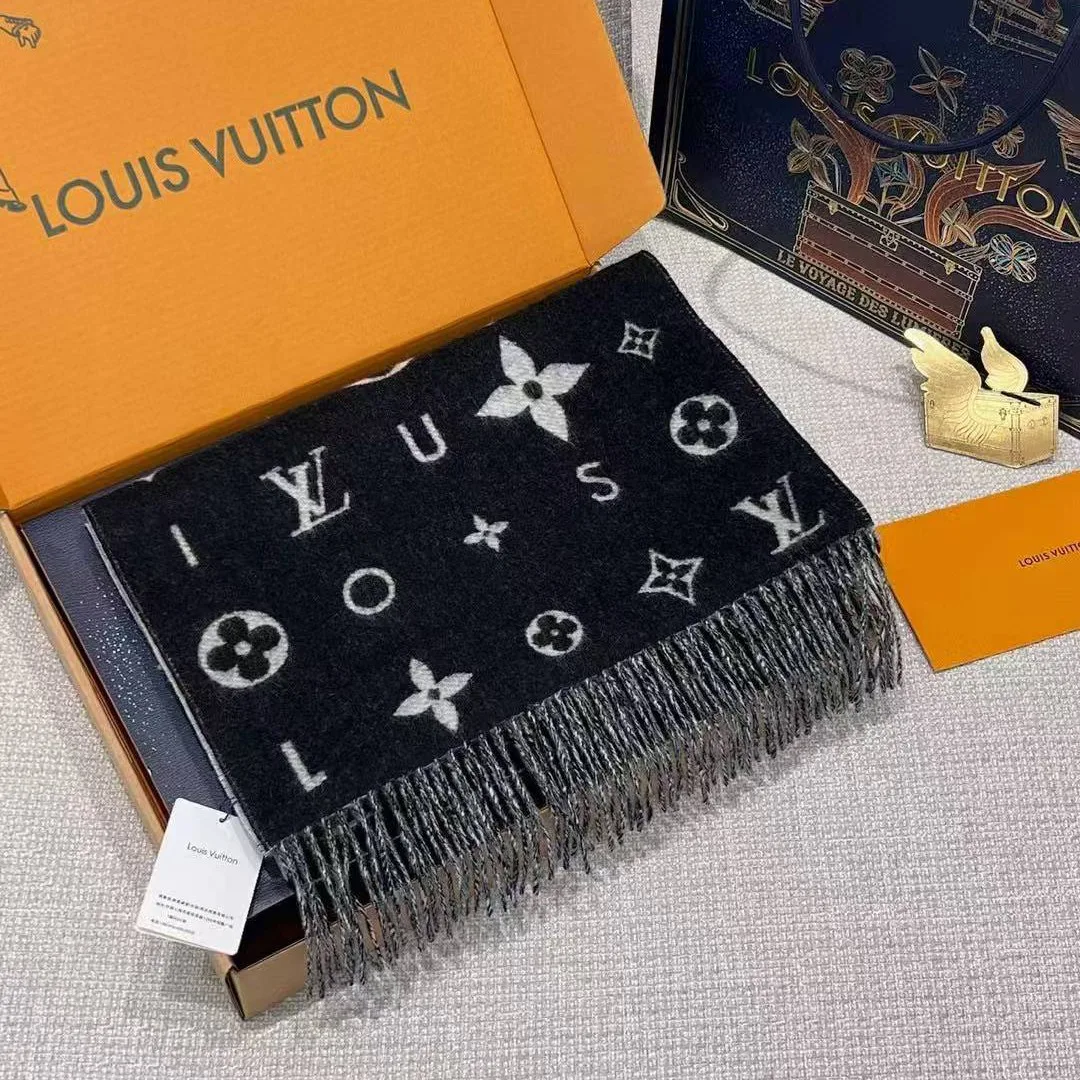
Scarf size determines its uses. The small square, around 70 centimeters, is the classic silk accessory: neck knot, hair wrap, bag tie. The medium square, around 90 centimeters, is the most versatile: it converts between neck styling, head covering, and bag accent. The long rectangular scarf, 180 centimeters, is the winter workhorse for wraps and drape. And the shawl or pashmina, around 140 by 140 centimeters, covers shoulders and doubles as a light blanket.
If you buy one scarf, the 90-centimeter square in silk or a silk blend covers the most uses. If you buy two, add a long wool or cashmere rectangle for cold months.
The Best Scarf Wardrobe
A complete scarf wardrobe is smaller than people expect: four pieces cover every situation. One silk square in a color that works with your coat, for year-round styling and formal moments. One cashmere or merino scarf for winter warmth, in a neutral that matches your outerwear. One cotton or linen scarf for summer, in a light color that brightens outfits. And one pashmina or shawl for travel and evening layering, which doubles as a blanket on flights.
These four cover the seasons, the functions, and the outfits, and each one earns its wear. The collection is small, but every piece is a workhorse.
What to Check Before Buying
Before buying any scarf, run quick checks. Feel the material: quality fabric has weight and body, while cheap fabric feels thin and slippery. Check the edges: hand-rolled or properly finished edges last, while raw edges fray. Check the weave or print: quality silk has crisp prints that do not bleed, and quality wool has an even, dense weave. And check the care label: scarves that require dry cleaning are not daily pieces, whatever their quality.
The color check matters most: buy scarves in colors that work with your existing coats and jackets, because a scarf in a color you never wear is a scarf you never wear.
The Value Logic
The scarf’s value math is the best in fashion: a good scarf costs a fraction of a coat or bag, yet it transforms outfits as effectively as either. The same coat with three different scarves is three different looks, and the scarf does not require a wardrobe change to deliver. This is why the scarf collection keeps growing with justification: each addition multiplies the styling value of everything already owned. Buy quality in the pieces you wear most, and the cost per wear becomes trivial.
Designer inspired scarves capture the patterns and styling of premium houses at accessible prices, which makes building the collection even more reasonable.
The Takeaway
The best scarves to buy are chosen by role: a silk square for styling, a cashmere or wool scarf for winter, a cotton or linen piece for summer, and a pashmina for travel and evenings. Choose quality materials over quantity, check the edges and weave, and buy colors that work with your outerwear. A four-piece scarf wardrobe covers every season and situation, and each piece multiplies the value of everything else you own. That is the best scarf purchase logic there is.
Build your scarf wardrobe: explore our designer inspired scarves and shawls for quality pieces in versatile colors.