
Men Bag Trends
Men’s Luxury Bags: How High-End Is Reshaping What Men Carry
Aug
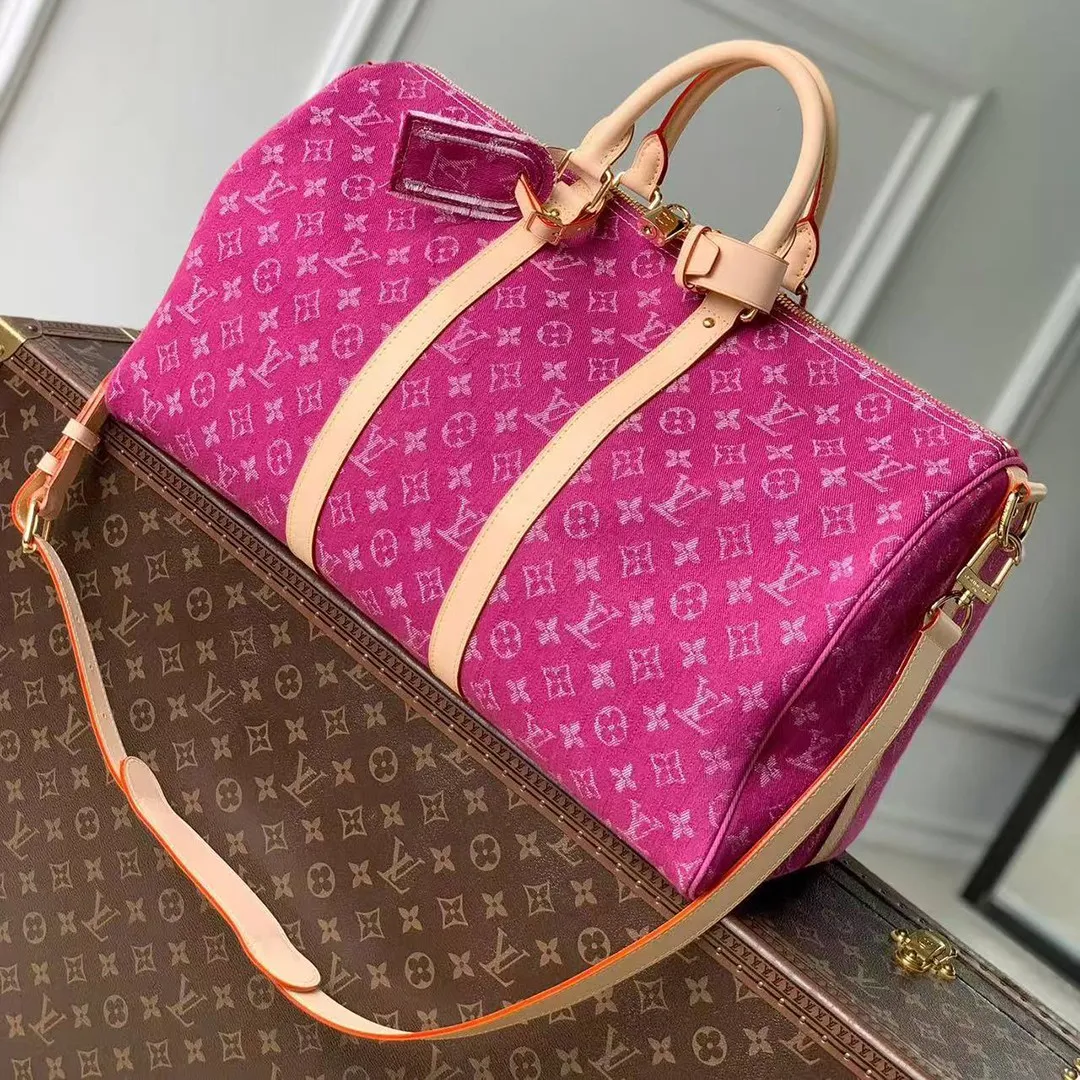
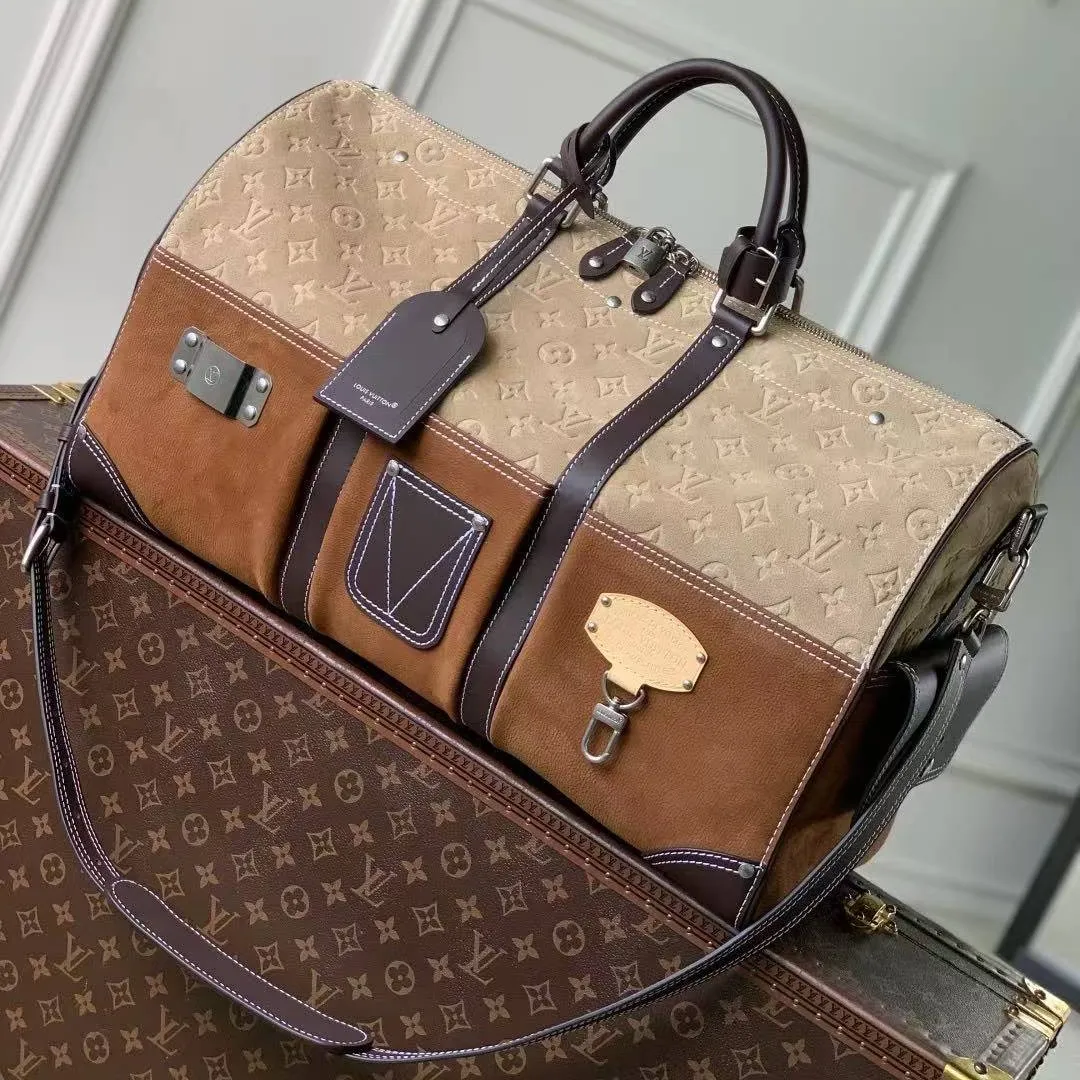
There’s a moment in every luxury brand’s history when it discovers men’s bags, and that moment has arrived for pretty much all of them at once. A decade ago, a luxury men’s line meant a wallet and maybe a briefcase. Now the houses are competing on men’s totes, backpacks, weekenders, and crossbodies, and they’re charging four figures for the privilege. I’ve watched this happen from inside the market, and it’s reshaping what men carry even if you never buy the four-figure version.
The most important change is who’s buying. Men’s luxury bags used to be a gift category: a wife or girlfriend picking something for him, usually on the conservative side. Now men are buying their own bags, and they’re buying shapes they actually want. That one shift explains most of what’s happening in the category, and it’s why the houses are suddenly tripping over each other to release men’s lines.
How Luxury Changed What Men Carry
First, luxury legitimized the shapes. When the big houses put their names on men’s totes and crossbodies, those shapes stopped being “women’s bags” overnight. The runway coverage did what years of street style couldn’t: WWD and the rest of the trade press documented the men’s leather goods boom in detail, and suddenly a man carrying a tote looked like he was in on the secret instead of borrowing someone else’s bag.
Second, luxury pushed quiet luxury mainstream. The logo-heavy era peaked and started cooling, and the houses responded with bags that advertise nothing but the quality of the leather. That’s been great for everyone, because it means the understated bag now reads as the premium choice. The no-logo leather bag from a smaller maker looks more “luxury” today than the logo canvas from a big house, and the market has noticed.
What High-End Actually Teaches You About Quality
Here’s what I’ve learned handling bags across the price spectrum: luxury brands are terrible at explaining why their bags cost what they do, but they’re excellent at demonstrating it. Touch a four-figure bag and you’ll feel the difference. The hide is thicker, the edge paint is flawless, the hardware has weight, the stitching is even to the millimeter. Those are the real signals, and they’re learnable.
And here’s the honest part: those signals are available at a fraction of the price if you know where to look. The markup on a luxury bag is mostly brand, marketing, and storefront rent. The leather, the zippers, and the craftsmanship can be had at a tenth of the price from makers who skip the overhead. That’s the entire premise of the designer-inspired market, and it’s why it keeps growing. You get the quality signals without paying for the logo.
Is the Luxury Price Ever Worth It?
I’ll give you my honest framework instead of a slogan. Buy the luxury bag if you want the brand, the heritage, the service, or the resale value, some of those bags genuinely hold their value over decades. Don’t buy it if what you actually want is the quality, because the quality exists elsewhere for less. The worst reason to buy luxury is status you can’t afford, and the best reason is a bag you’ll still be carrying in twenty years.
The trend side of luxury is where I get cautious. Luxury houses push “it” bags with a short shelf life, and a four-figure bag that looks dated in two seasons is a special kind of waste. If you’re spending luxury money, buy the shape that’s been in the lineup for a decade, not the one that just hit the runway. The classic silhouette in the best leather is the luxury purchase that never embarrasses you.
Luxury also changed the resale picture. Ten years ago, men’s bags had almost no secondary market; now the resale platforms are full of men’s pieces, and the ones that hold value are the quiet classics, not the logo drops. That’s a useful signal even if you never sell, because the market is telling you which bags are built on substance and which are built on hype. And it’s changed gifting too: a luxury bag is no longer the default big gift for a man, because men are pickier now and increasingly buying their own, which forces gift-givers to pay attention to what he actually carries instead of what the brand name says.
The Takeaway
The luxury trend reshaped the whole category, not just the top end. It normalized men carrying more than a briefcase, it made quality visible, and it dragged every other price tier up with it. Even if you never buy a luxury bag, you benefit, because the bar for what a good men’s bag looks like has never been higher, and the trickle-down is real: the quality that was once exclusive to the houses is now available at prices normal people can actually afford.
Curious what the quality signals look like without the logo markup? Browse our men’s designer-inspired leather bag collection and feel the difference in the details.
Related reading: Men’s Bag Trends: From Backpacks to Totes, What Men Are Carrying Now · The Complete 101 Buying Guide · Utility Bags for Men: The Practical Trend That Keeps Growing · The Future of Men’s Bags: Where the Category Is Heading
For the industry perspective, Vogue Business publishes regular updates on this space.