
Men Bag Styling
Men’s Travel Bag Styling: One Bag, Every Setting
Aug
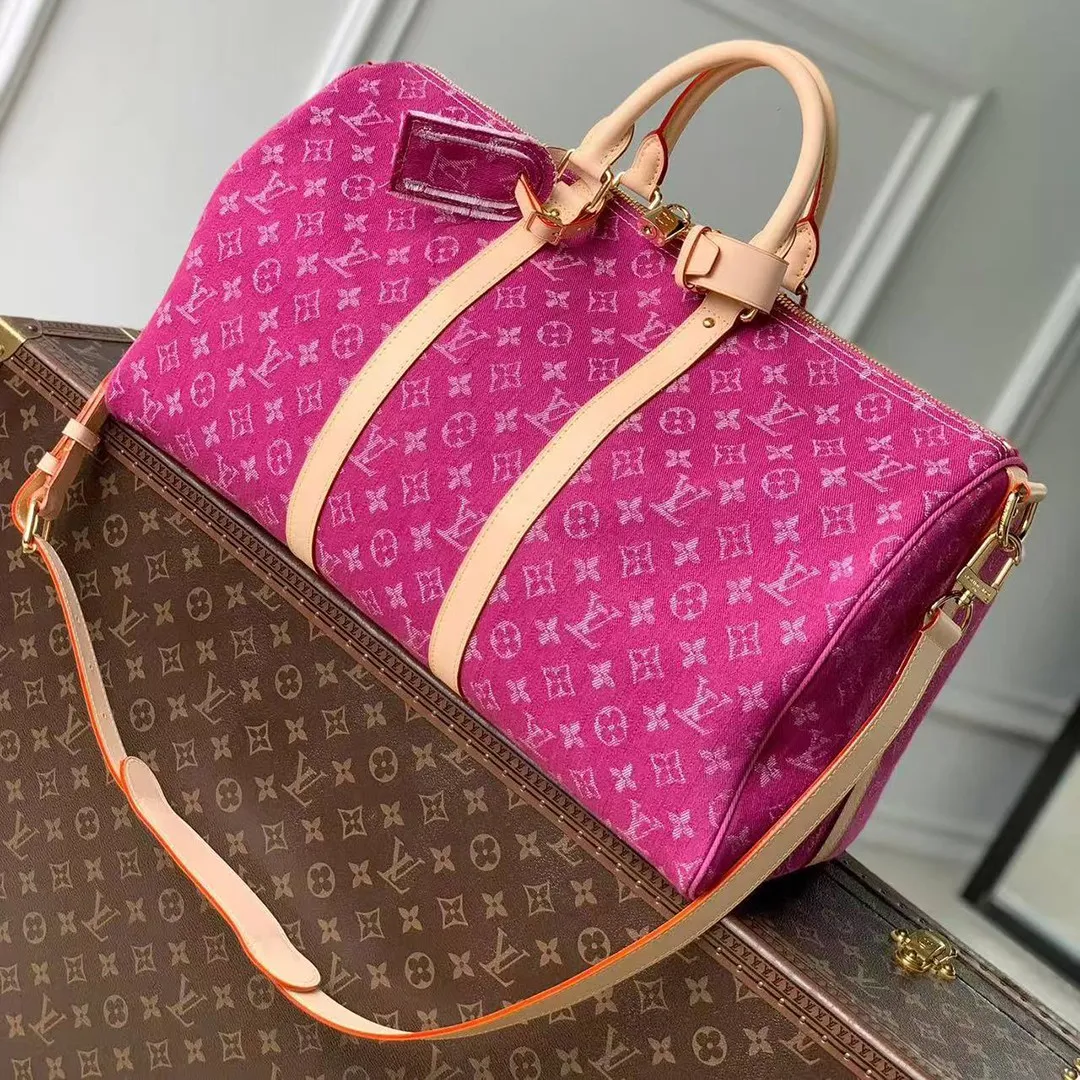
Travel is where men’s bag styling gets tested for real. You leave home with one bag and it has to survive a taxi, a check-in desk, a security line, a crowded flight, and a dinner in an unfamiliar city — all without making you look like you packed for a different trip than the one you’re on. I’ve sold travel bags to hundreds of guys, and the ones who look good on the road all follow the same quiet strategy. It’s not about owning more bags. It’s about owning one bag that works everywhere, and dressing it correctly in every setting it meets. Let me walk you through the whole system.
The One-Bag Rule
Start with the discipline: one bag for the trip, maximum two if you’re counting a small carry-on for your laptop. The moment you’re juggling three bags through an airport, you’ve lost the styling battle before it started. The one-bag system works like this: a weekender or duffle for the bulk of your clothes, and everything valuable — passport, phone, wallet, headphones — lives in an internal pocket or a small pouch you can reach without opening the main compartment. That’s it. No second shoulder bag, no extra tote for the “just in case” items. Travel styling is 80% subtraction.
Why does this matter for how you look? Because a man walking through an airport with one clean bag looks like he travels for a living. A man with a bag on his back, a bag over his shoulder, and a roller in his hand looks like he’s fleeing a fire. The one-bag traveler has free hands, upright posture, and a clear silhouette — and every one of those things photographs well at the gate, in the hotel lobby, and at the dinner table.
Choosing the Bag’s Color for the Whole Trip
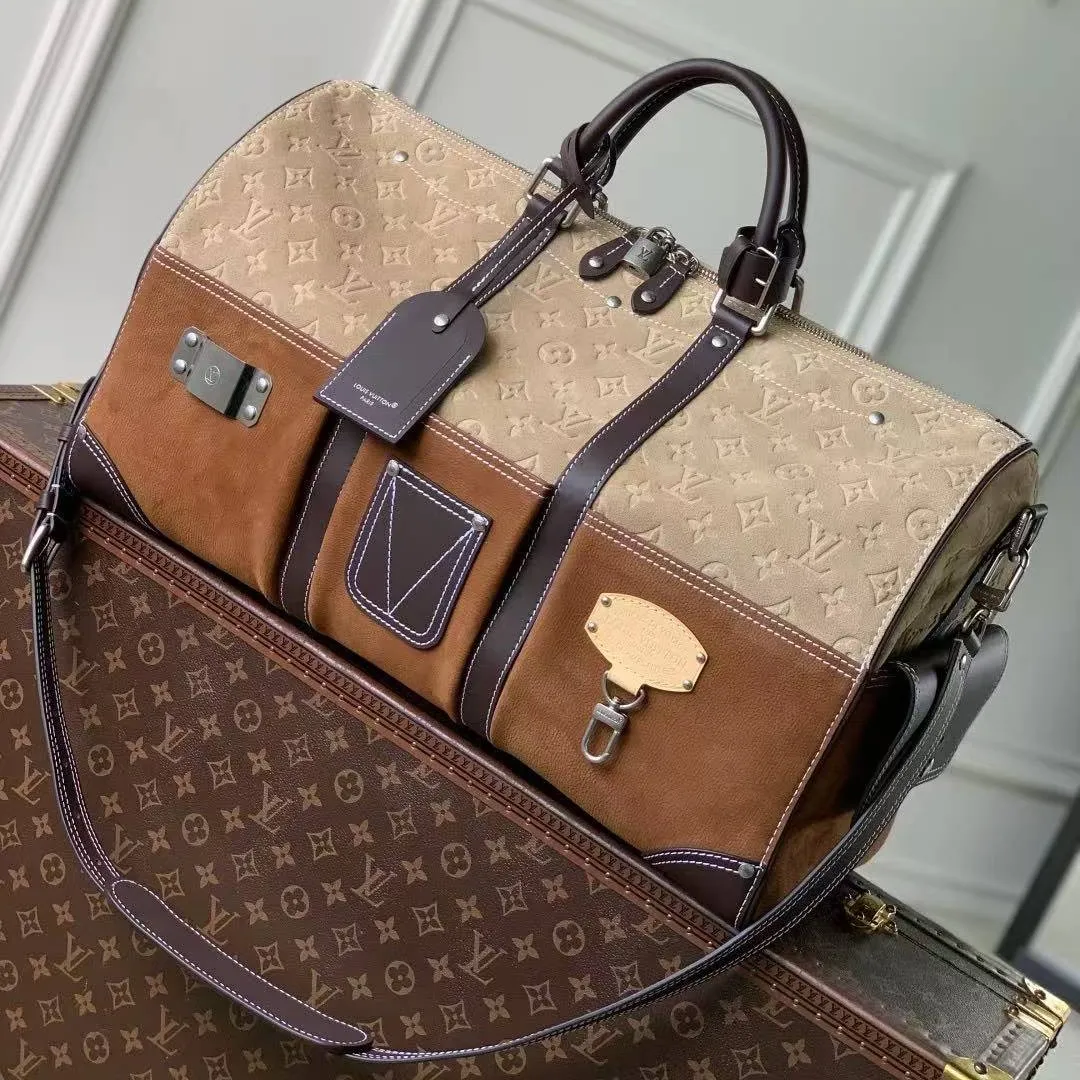
The color decision is the most important styling choice you’ll make before you leave. My rule for travel: the bag should match the least casual outfit you’ll wear on the trip. If you’ll have one dinner that calls for dark jeans and a blazer, the bag shouldn’t be a light beach-tan that screams resort. A medium-to-dark brown, or black, spans the widest range of settings, and that range is the entire point. Tan and cognac are beautiful, but they set a casual ceiling: they work at the beach bar and look slightly wrong at the nice restaurant. Dark brown works at both. Black works at both, too, though black demands your shoes cooperate — pack brown shoes and the black bag will fight them every day of the trip.
Here’s the practical version of the rule: choose one leather color family before you pack, and pack shoes and a belt from that same family. Travel is the one place where the leather family rule matters most, because your bag, shoes, and belt will be photographed together constantly — at the airport, in the rental car, at the hotel bar. One family, three items, zero thought required after that. I’ve watched guys ruin good trips by packing a tan bag, black shoes, and a brown belt, then spending the whole week feeling slightly off and never knowing why.
From Plane Seat to Dinner Table
Now the in-transit styling, which is where most men quietly give up. On the plane, the bag goes in the overhead bin or under the seat, and that’s the last you see of it until landing — don’t be the guy digging through his weekender mid-flight like it’s a filing cabinet. Wear the travel uniform: a knit polo or crewneck, dark jeans or chinos, and shoes you can walk in and still wear to dinner. The bag sits at your feet or in the bin, and it re-emerges when you land, at which point it should still look like luggage, not like a rumpled pillowcase.
That’s the packing payoff: a bag keeps its shape through the flight if it was packed with structure. Rolled clothes, flat heavy items at the base, the first-night outfit on top. When you walk into the hotel looking composed and the bag looks like it just came off a shelf, you’ve won — and the win is 90% preparation. At dinner, the bag goes at your feet or on the chair beside you, never on the table, never on an empty chair at a restaurant that cares about such things. Watch your strap, too: a dangling shoulder strap on a restaurant floor is how bags get stepped on and how waiters trip.
Keeping It Looking Right Day Three
A travel bag has to survive being treated like a travel bag. Day three of a trip is where cheap luggage shows its whole hand — scuffed corners, a zipper that jams, a handle that’s suddenly wobbly. Good leather doesn’t do that. It scuffs gracefully and the scuffs polish out, or they just become character. Two habits keep a leather travel bag looking sharp on day three: don’t overload it past its natural capacity, and don’t put it on wet surfaces. The hotel room floor after a shower, a wet curb, a damp car trunk — those are the enemies. A quick wipe with a dry cloth at the end of each day costs ten seconds and keeps the bag looking like it cost ten times what it did.
And one styling note for the return trip, because nobody thinks about this: the bag looks its worst when it’s 120% full of dirty laundry. Pack a foldable duffle inside the weekender for the trip home, or accept the slightly lumpy look as the price of a good trip. Better: leave room in the bag on the way out. A bag that’s never overstuffed keeps its line from departure to return, and that’s the whole game.
The men’s travel bag category keeps expanding as more men adopt the one-bag philosophy, and market analysts at Verified Market Research have tracked the broader bag market’s steady growth for years. When you’re ready to build your travel system, the weekenders and duffles in The Prime Bags men’s collection are sized, structured, and colored for exactly the one-bag life — dark enough for dinner, tough enough for the taxi, and good-looking on every day of the trip.
Related reading: How Men Should Style Bags: Matching Your Bag to Work & Casual Looks · The Complete 101 Buying Guide · Men’s Bag Color Matching: The Leather Family Rule Explained · How to Dress Down a Formal Bag for the Weekend
For more on this topic, the experts at Vogue offer detailed guidance.