
Gift Styling
Why Some Gifts Look Expensive and Others Don’t
Sep
Here’s a mystery I’ve thought about for years: why do some gifts read expensive even when they cost very little, while others read cheap no matter what they cost? I’ve received both kinds, and I’ve given both kinds, and I’ve finally figured out the answer. Expensive is not a price tag. Expensive is a set of visible details plus a styling context, and both can be engineered. This matters for gifting because the goal isn’t to spend a fortune, it’s to give something that looks and feels like it cost more than it did.
Let me be clear about what I’m not saying. I’m not saying you should fake luxury or pass off cheap goods as premium. I’m saying that the perception of quality follows rules, and understanding the rules makes any gift, at any budget, land better.
Expensive Is a Look, Not a Price Tag
Walk into any room and you can spot it in seconds: the person whose outfit reads expensive even though nothing they’re wearing is branded or obviously costly. It’s not about logos. It’s about three invisible signals: quality of materials, precision of details, and coherence of styling. When those three line up, the brain fills in the price tag, and it usually guesses high.
I proved this to myself with a simple experiment a few years ago. I bought two similar leather card holders, one from a premium brand, one from a much cheaper label, and asked five friends to guess which cost more. Four guessed the cheap one, because it had the better stitching and the richer finish. That experiment rewired how I shop and how I gift: details beat logos, every single time.
The Details That Read Luxury: Stitching, Hardware, Leather
Let me teach you the detail checklist I use on every gift I consider. Stitching first: even, tight, straight stitches read expensive; loose, wavy, or uneven stitching reads cheap faster than anything else. Check the edges of the piece, not just the front, because cheap construction hides at the edges. Hardware next: real weight in a zipper pull or buckle reads quality, hollow featherlight hardware reads costume, and the finish should be uniform, no blotches, no peeling.
And leather: full-grain and top-grain leather develop a patina and feel supple; bonded or coated materials feel plasticky and stay stiff. Press your thumbnail into the leather: quality leather dents and slowly recovers, coated material doesn’t. I run this checklist in under a minute now, and it has saved me from buying gifts that would have looked exactly like what they cost, which is the one thing a gift should never do.
Styling Is Half the Price Tag
Here’s the part that surprises people: styling does more work than the product itself. The same leather bag looks twice as expensive on a person wearing a coherent outfit than it does on a person wearing random clothes. It’s context, and context is free. A gifted bag worn with a matching belt and shoes in the same leather family reads like a considered wardrobe, and considered always reads expensive.
I have a friend who can make a forty-dollar scarf look like silk from a department store, and her secret is nothing but styling discipline: the scarf always matches one color already in her outfit, and she wears it the same confident way every time. Confidence is part of the look too, and that’s the beautiful part: you can give someone confidence with a note. “This bag with your camel coat is the look.” That sentence is worth more than the bag.
Care Makes It Read New
This is the detail most people miss, and it’s my favorite one: cared-for leather reads expensive; neglected leather reads cheap, regardless of what it cost. A dry, dusty, dull bag looks like a bargain basement find even if it’s designer. A conditioned, polished piece with a soft sheen looks like it cost a fortune even if it didn’t. Care is styling, full stop.
So when you gift leather, gift the care too: a small bottle of conditioner, a soft cloth, and one line in the card about the monthly ritual. I’ve started doing this with every leather gift, and the difference in how the gifts look six months later is dramatic. The pieces that get conditioned still look new; the pieces that don’t look tired. The ten-dollar bottle of conditioner does more for the perceived value of the gift than a hundred-dollar upgrade in the product would have.
The Context Trick: Where and How It’s Worn
One more layer, and it’s the sneakiest one: context determines perceived value. The same watch looks different at a diner than at a fine restaurant. The same bag looks different with jeans than with tailoring. This isn’t snobbery, it’s just how perception works, and you can use it on behalf of your gift. The first time someone wears a gifted piece should be somewhere slightly elevated, a nice dinner, a good event, so the piece collects an expensive memory.
And the second wear should be everyday, to prove the piece isn’t precious. The rhythm matters: special first, normal second, and the gift becomes both valuable and usable, which is the exact combination that reads expensive. I’ve stopped worrying about what gifts cost and started worrying about how they’re introduced, and honestly, the results have been better for my gifting reputation than any budget increase ever was.
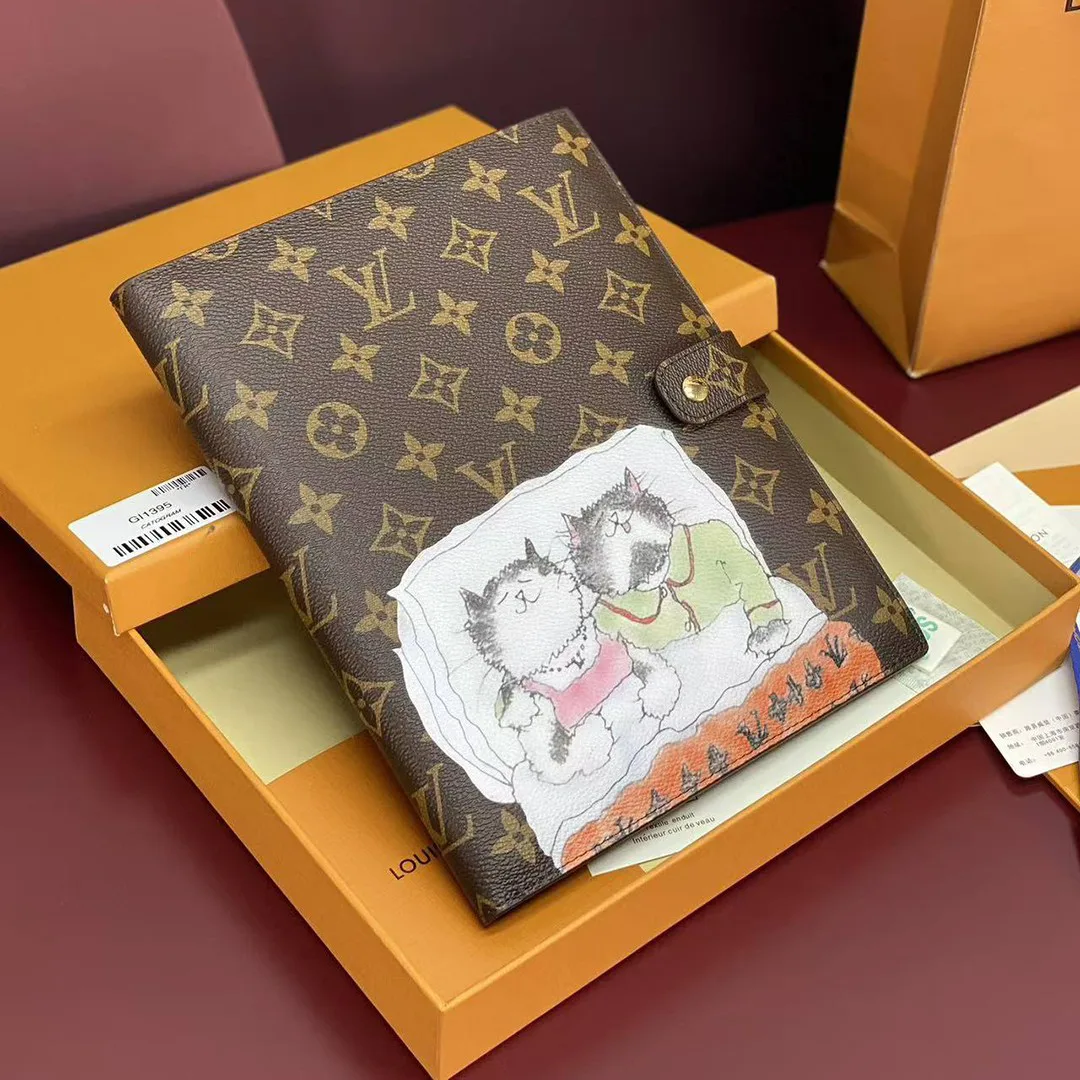
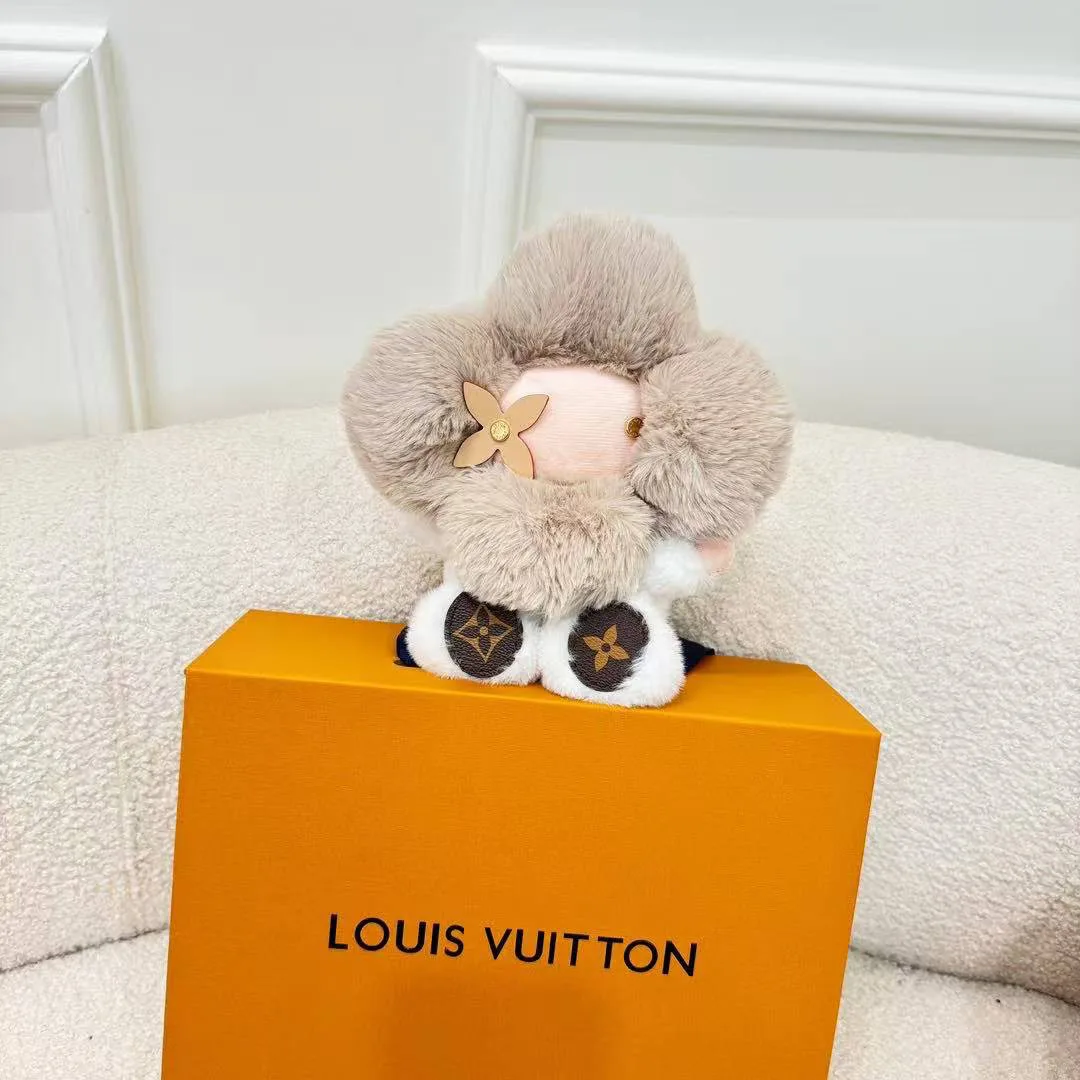
Give something that looks worth more than it costs. Browse the leather goods at ThePrimeBags and let the details do the talking.
For how the industry thinks about quality and materials, The Business of Fashion covers the supply side well.
Related reading: Gift Styling: How to Make a Gifted Bag or Accessory Part of Their Styl · The Complete 101 Buying Guide · Building an Outfit Around a Gift: The Method · Styling a Gifted Belt: Beyond the Basics
For more on this topic, the experts at Vogue offer detailed guidance.