
Gift Trends
The Luxury Gift Trend: Where It’s Heading
Sep
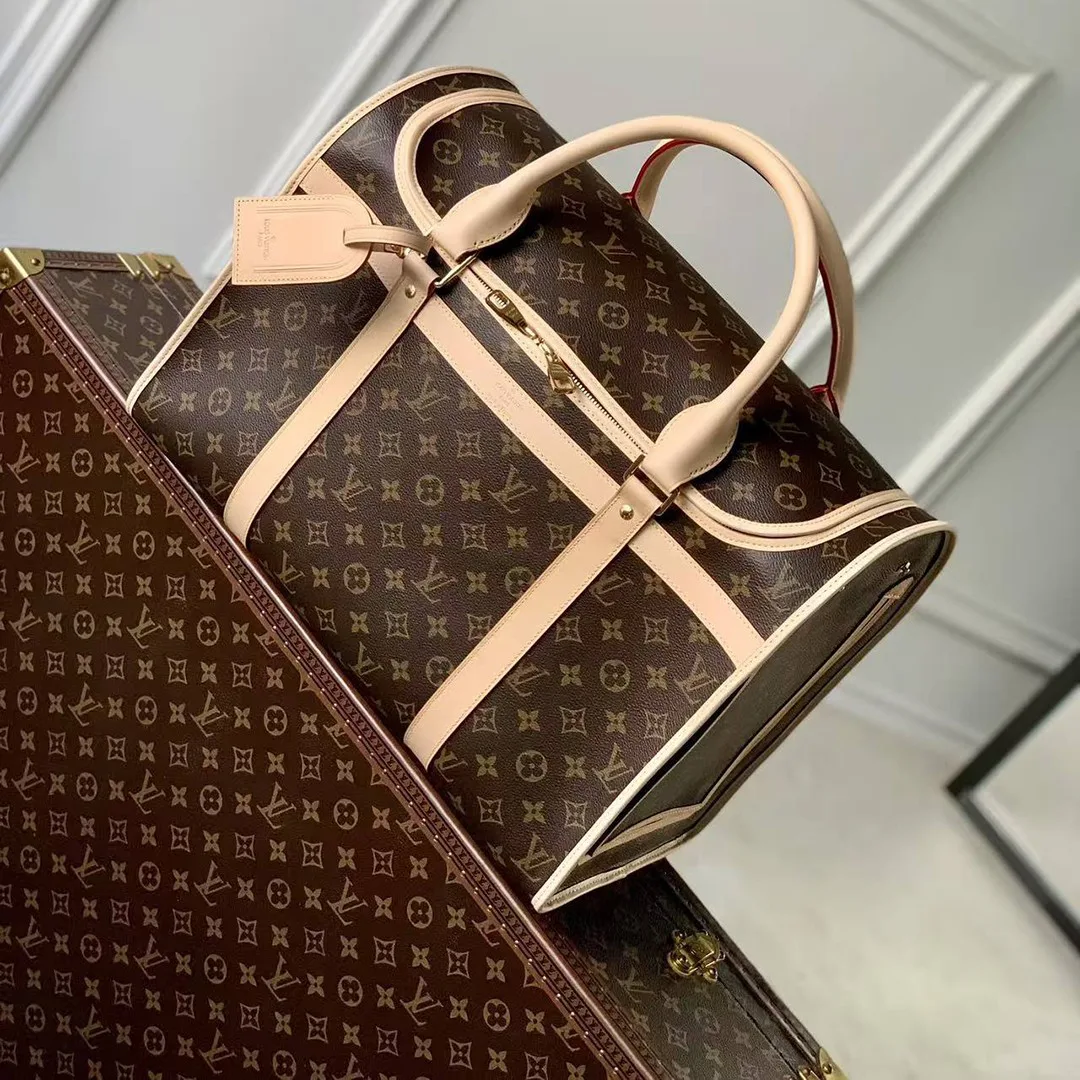
I watched a man buy his wife a handbag for their anniversary last spring, and he spent forty minutes on it. Not on the price — on the details. The leather grain, the stitching, whether the hardware would tarnish, how the bag sat on his arm when he tried it with her coat slung over his shoulder. That’s the luxury gift trend in one scene: it’s no longer about the logo on the bag. It’s about the craft in it.
The luxury gift market keeps growing, but it’s growing in a specific direction that surprises people who only read the headlines. The logo-heavy, flashy gifting era is cooling. What’s replacing it is quieter, more personal, and honestly more interesting — and it’s changing what “luxury gift” even means.
The New Luxury Buyer
The old luxury gift was a status signal: a recognizable box, a loud pattern, a name everyone could read from across the room. The new luxury gift is a private signal: a piece whose quality is obvious to the person who knows leather, even if nobody else can tell. Buyers have gotten educated. They’ve watched enough unboxing videos and read enough reviews to know that a thousand-dollar bag with thin coated leather is worse value than a five-hundred-dollar bag with full-grain leather and honest construction.
This is why the market data matters. The luxury handbag market has been on a steady upward trajectory for years, with analysts at Verified Market Research tracking consistent growth, but the composition of that growth has changed. The fastest-growing segments are craftsmanship-led: timeless shapes, premium materials, pieces designed to be owned for decades. People still want luxury as a gift — they just want it to be real.
Quiet Luxury: Logos Out, Craft In
You’ve heard the term quiet luxury by now, and it’s not a fad, it’s a correction. Years of logo saturation made visible branding feel like advertising, and nobody wants to be a billboard. The reaction is a gift culture where the value is hidden in plain sight: a bag with no visible logo but leather that costs three times as much, hardware that won’t bend, stitching that survives a decade of daily use.
I see it in my own shop constantly. Customers ask about the leather before they ask about the brand, and they ask about the maker’s process before they ask about the price. That’s a real shift from ten years ago. The luxury gift of the current era isn’t the one that announces itself — it’s the one that reveals itself. The recipient discovers the quality slowly, over weeks of use, and that discovery is the gift.
What’s Driving the Market Now
Three forces are pushing luxury gifting forward, and they’re worth understanding if you’re buying. First, the experience of giving is part of the product: premium packaging, a handwritten note, the ritual of unwrapping something substantial. Second, durability is now a luxury feature — people will pay more for a piece that’s repairable and designed to be passed down, because a gift that lasts becomes a legacy item rather than a seasonal object. Third, the secondhand market has legitimized luxury as an investment-adjacent category: a well-chosen piece holds value, and givers know it.
The practical takeaway: the luxury gift is no longer about maximum spend. It’s about maximum craft per dollar. A beautifully made leather piece at a sensible price beats a logo item at a markup, and the recipient who knows quality will feel the difference immediately. The trend is rewarding knowledge, and that’s a gift trend I can get behind.
How to Buy a Luxury Gift That Isn’t a Mistake
Here’s the checklist I give everyone shopping the luxury tier. One: know the leather. Full-grain and top-grain are the quality tiers; anything described as bonded or coated is a gamble at any price. Two: inspect the construction — even stitching, reinforced stress points, hardware that feels dense in the hand. Three: check the maker’s story. A brand that names its tannery and its workshop is a brand with something to protect. Four: consider the recipient’s actual life. A luxury gift fails if it’s too precious to use; the best ones are the ones that get carried.
And the honest rule about budget: the price tag should be the last thing you decide. Choose the right piece first, then figure out how to make it work. A smaller luxury gift — a card holder, a belt, a wallet — chosen with the same care as a bag is still a luxury gift. It’s the judgment behind it that makes it luxury, not the size of the box.
The Secondhand and Resale Factor
The last piece of the trend is the one people are most surprised by: pre-owned luxury is booming as a gift category. A vintage leather bag carries history, patina, and a story that a new one can’t fake, and the price is often far kinder. For a partner who loves leather, a beautifully kept vintage piece can out-gift anything off a current-season shelf.
Where the market heads from here, I think, is toward fewer and better. The luxury gift is becoming the considered gift — quality over quantity, craft over logo, longevity over novelty. That’s not a trend that’s going to reverse. It’s a correction that already happened, and it’s the direction everything else is following.
Ready to give the kind of luxury that gets used, not stored? See the craftsmanship-led collection at ThePrimeBags.
For the latest on where the luxury market is heading, WWD covers the business of high-end retail.
Related reading: Gift Trends: What People Actually Want as Gifts This Year · The Complete 101 Buying Guide · Gift Trends by Generation: Boomers to Gen Z · Last-Minute Gifts: The Trends That Save You
Industry data and professional guidance from Vogue Business support this view.