
Shoe Trends
Lug Soles: The Rugged Trend in Formal Footwear
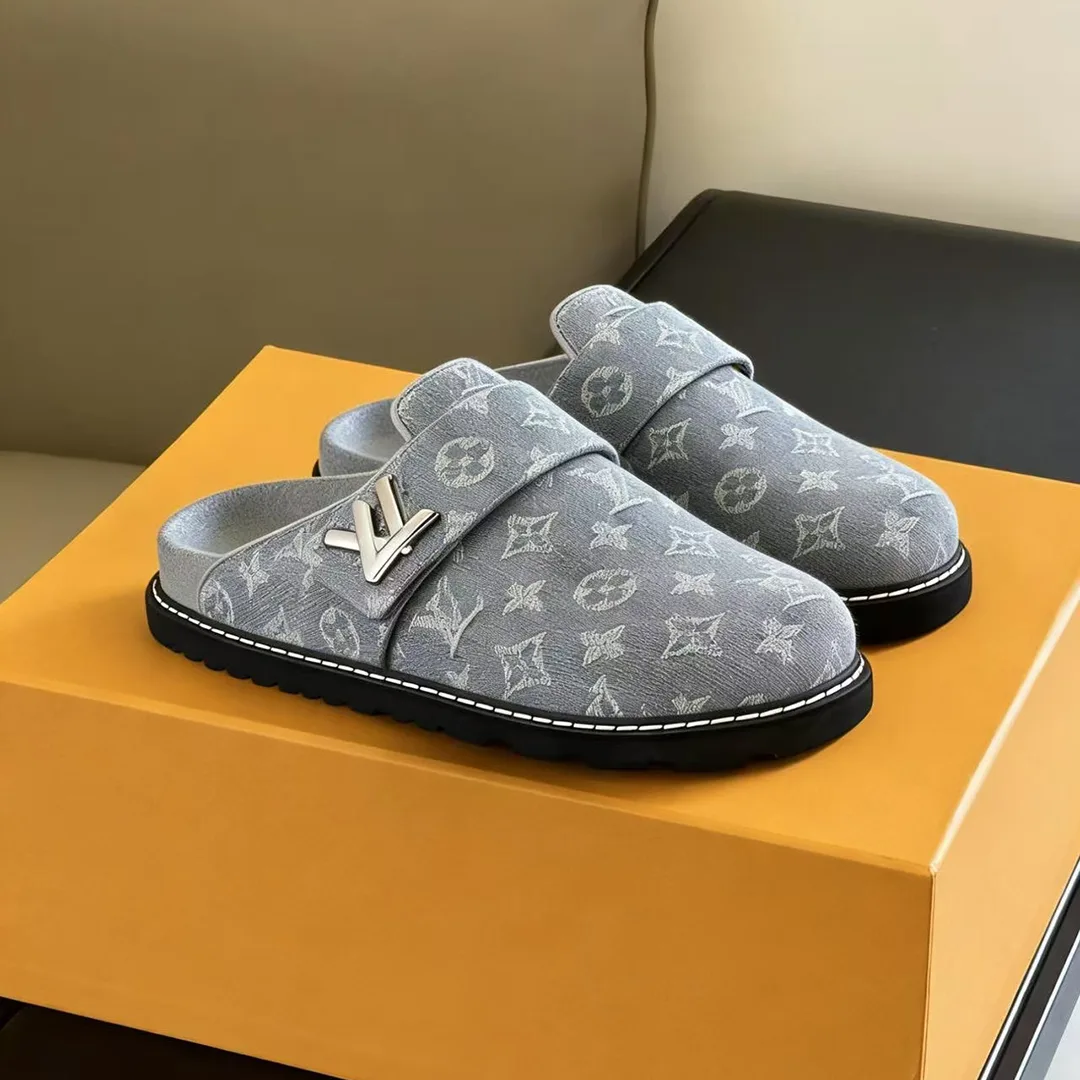
Aug
There is a moment in every winter when I look down at my shoes and wonder why I am wearing something that was never designed for ice, slush, or cobblestones. That moment is exactly how I ended up with my first pair of lug-sole boots, and it is how a huge part of the market ended up here too. The lug sole, that deep-treaded, chunky sole borrowed from mountaineering boots, has marched straight into formal footwear, and it shows no sign of retreating.
The trend is simple to describe: take a dress shoe, a derby, a loafer, a Chelsea boot, and give it a sole that looks ready to climb a mountain. The result sits somewhere between boardroom and trailhead, and that in-between space is precisely what people love about it. It is the rare trend that adds function instead of removing it.
Where the Lug Sole Came From
The lug sole is not a fashion invention, and that is the root of its appeal. It was born in the outdoors, on mountaineering boots and work boots, where deep tread existed for one reason only: grip. Brands like Dr. Martens built their entire identity on a chunky, treaded sole, and workwear brands have used variations of it for over a century.
Fashion borrowed it gradually. First it crept onto casual boots, then onto country-style shoes, and eventually designers started putting commando soles under formal silhouettes. The turning point was realizing that the contrast worked: the polished upper and the rugged sole play off each other, making the shoe feel serious but not stuffy. It also quietly solved a problem that dress shoe wearers have always had, which is that formal soles are dangerously slippery in rain and snow.
Now the lug sole has become a category of its own, and the versions I see are getting more refined every season. The chunky commando sole that once looked aggressive now appears on sleek, minimalist uppers, and the combination is surprisingly elegant.
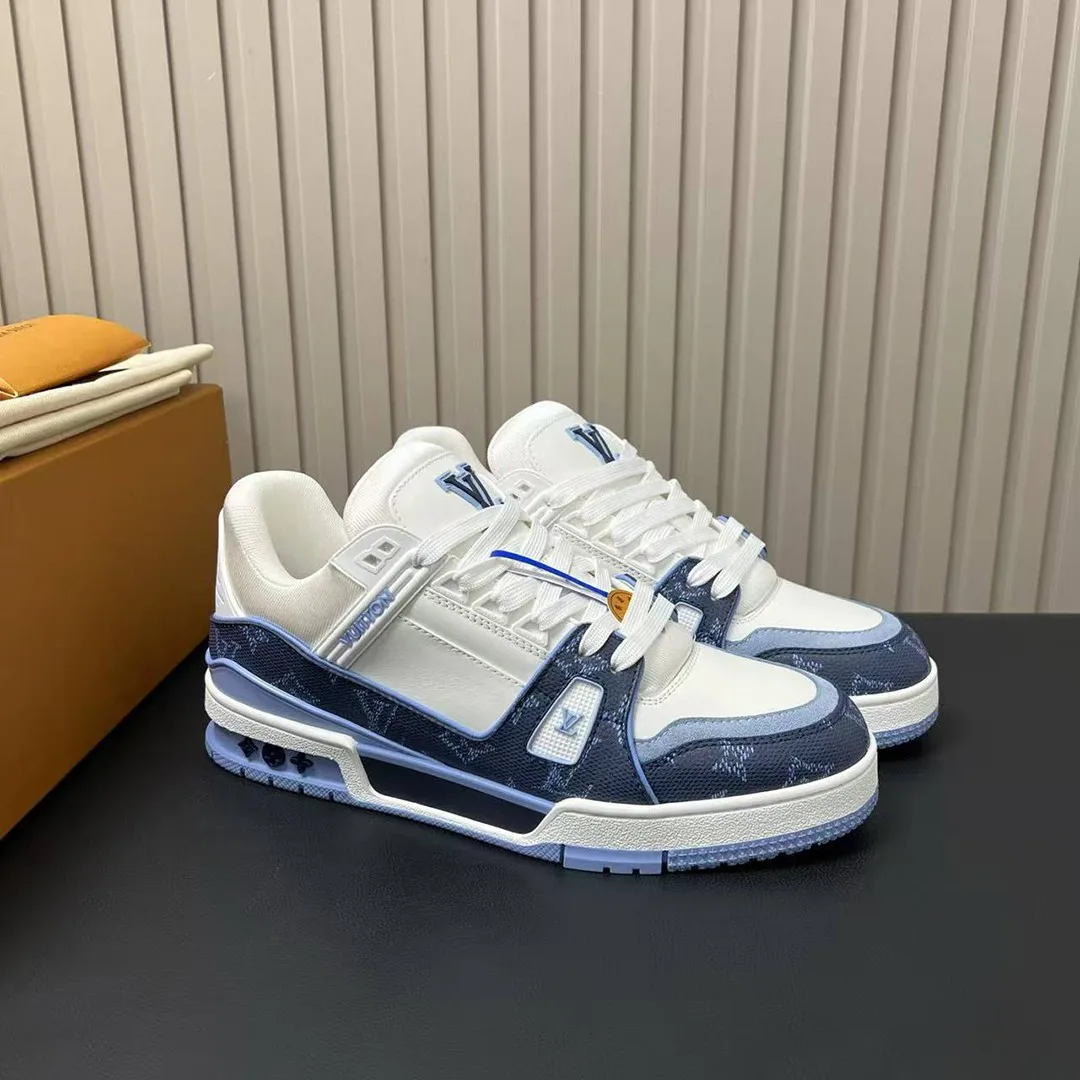
Why Formal Footwear Went Rugged
The lug sole trend is part of a bigger shift in how people dress, and it helps to see it that way. Formal dressing has relaxed everywhere, and shoes have followed. The suit is softer, the shirt is less starched, and the shoe under it all has been allowed to be more substantial. A lug-sole derby reads as a man or woman who is dressed up but not fragile, and that is a very appealing message right now.
Comfort is the other half of the story, and it is the half that will keep this trend alive. A lug sole is thick, which means cushioning, and the tread gives you confidence on wet ground that a leather sole never will. I have walked through actual rain in lug-sole loafers and arrived with dry, comfortable feet, which is not something I can say about most dress shoes I have owned.
The trend also has a practical sweet spot for people who hate owning too many shoes. A lug-sole boot or derby can cover the commute, the office, and the weekend in one pair, and that consolidation is exactly what a lot of buyers are looking for in a market that has gotten expensive.
The Styles That Work (and the Ones That Don’t)
Not every lug-sole shoe is a winner, and I have seen plenty of misses. Let me break down what actually works.
The lug-sole Chelsea boot is, in my opinion, the best execution of the trend. The clean, ankle-hugging silhouette pairs with almost everything, and the rugged sole turns it into a four-season boot. The lug-sole derby or oxford is a close second, especially in darker leathers, where the contrast between polished upper and chunky sole looks intentional rather than accidental. The lug-sole loafer is the trendiest version, and it works best with casual outfits, jeans, cords, relaxed trousers, rather than with suits.
What does not work, in my experience, is going too far in both directions at once. A heavily lugged sole under a very formal, very shiny oxford looks like the shoe cannot decide what it wants to be. The best examples of the trend keep the upper simple and let the sole do the talking. If the upper is already busy, with broguing, two-tone panels, or flashy hardware, the lug sole becomes noise.
Material matters too. Suede is the most forgiving and the most casual, and it is a natural partner for lug soles. Smooth leather reads more formal. And the cheapest versions of this trend are easy to spot: the sole is stiff plastic pretending to be tread, and the shoe creaks like a haunted house. Avoid those, the whole point is a sole that actually grips.
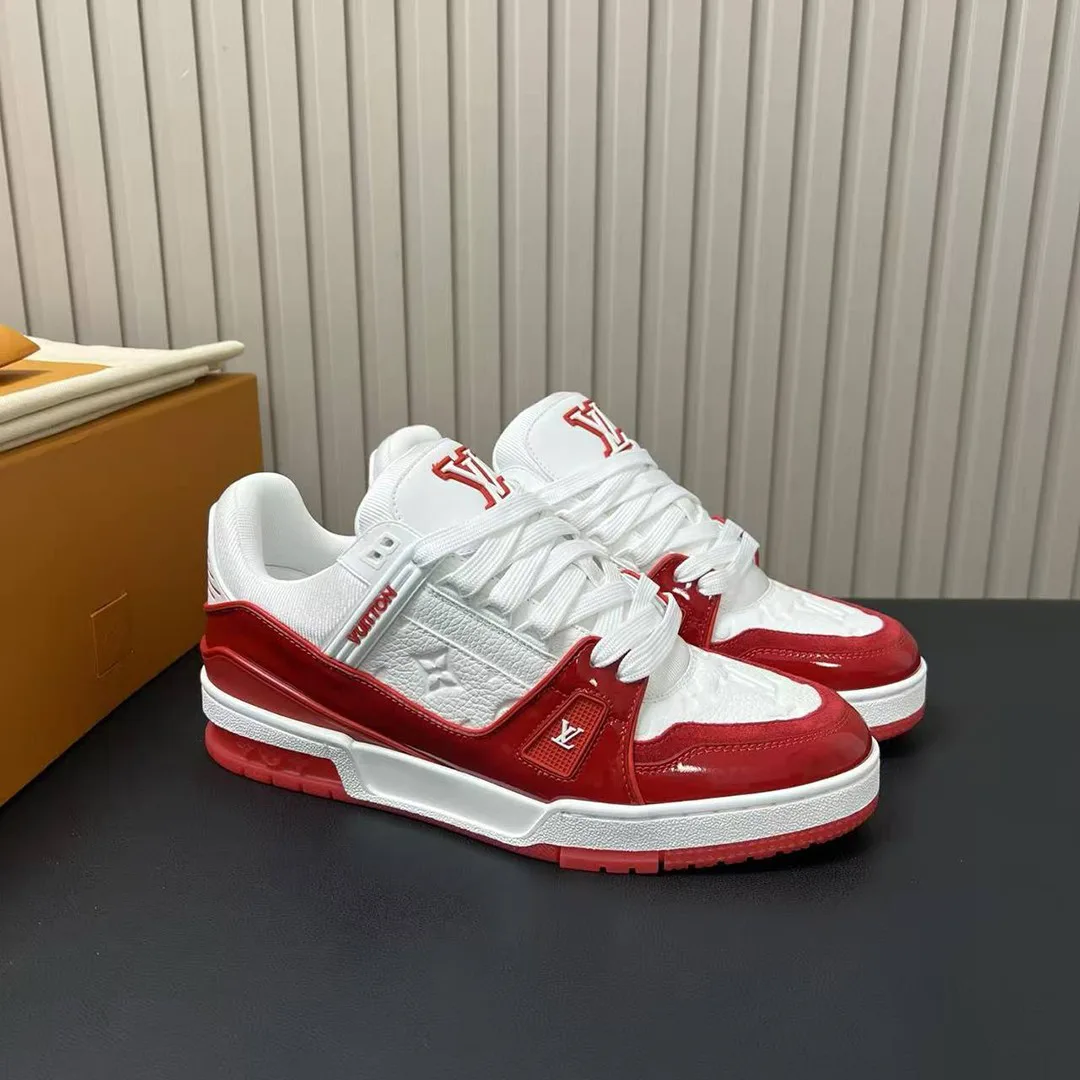
How to Buy a Lug-Sole Shoe You Will Actually Wear
If you are ready to join the trend, here is my buying framework, hard-won from a few mistakes.
Think about weather first. If you live somewhere with real winters, a lug-sole boot is a functional upgrade, not just a style choice, and you can justify spending properly. If you live in a warm climate, the lug sole is pure style, so buy the lighter, more refined versions and skip the heavy commando soles that will feel like overkill in July.
Check the sole construction before you commit. A good lug sole is dense rubber with real grip, and ideally it can be replaced when it wears down, which keeps the upper alive for years. A glued-on plastic lug sole will wear unevenly, lose its tread quickly, and take the whole shoe down with it.
And size honestly, with the socks you will actually wear. Lug-sole boots are often worn with thicker socks, and buying them too tight is the most common mistake I see. There is nothing worse than a great shoe that you cannot wear because your toes are being crushed.
My Final Take on the Rugged Trend
I have been wearing lug soles for years now, and I have gone from seeing them as a winter necessity to genuinely preferring them in many situations. The trend gets a lot of attention for its looks, but the durability of it comes from the fact that it makes dress shoes more useful, not just different.
WWD has tracked how lug-sole styles have moved from niche outdoor brands to mainstream formal footwear, and the direction has been one-way for several seasons now. When a trend improves the actual function of a shoe, it tends to stay, and I expect lug soles to remain a normal part of formal footwear long after the trend cycle moves on to something else.
My advice is simple: if you have been slipping around in dress shoes every winter, or if you just like the look of a shoe that means business, try the lug sole. Start with one good pair in a classic silhouette, wear it everywhere, and let it prove itself. It probably will.
Ready to see what a quality lug-sole shoe feels like? Explore the leather shoe collection at ThePrimeBags: shop our shoes.
Related reading: Shoe Trends: What’s In Fashion for Men’s and Women’s Footwear · The Complete 101 Buying Guide · Sustainable Shoes: What the Label Actually Means · Retro Sneakers: The Nostalgia Trend That Keeps Growing
For more on this topic, the experts at Vogue Business offer detailed guidance.