
Men Bag Care
Leather Backpack Care: Daily Wear, Rain and Everything In Between
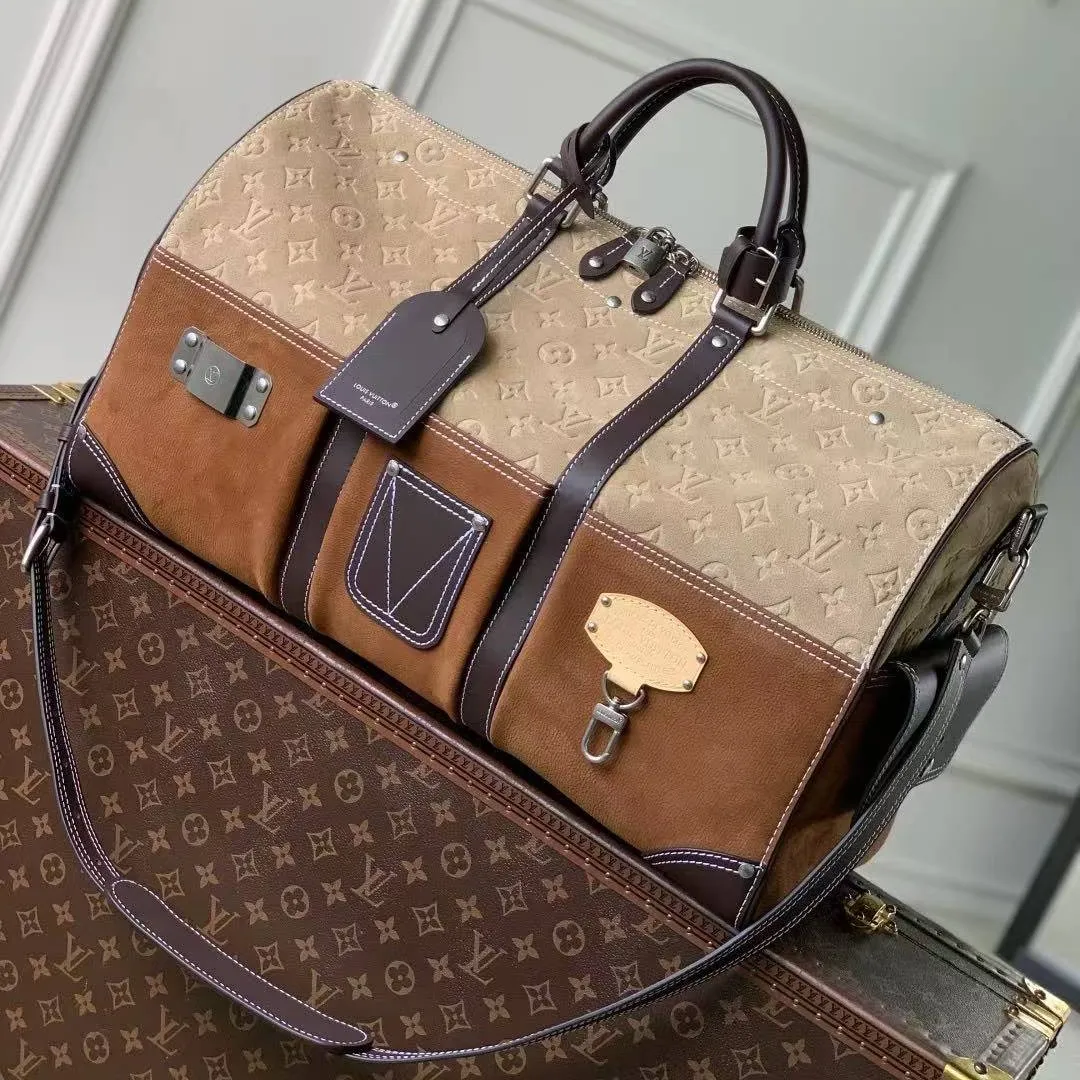
Aug
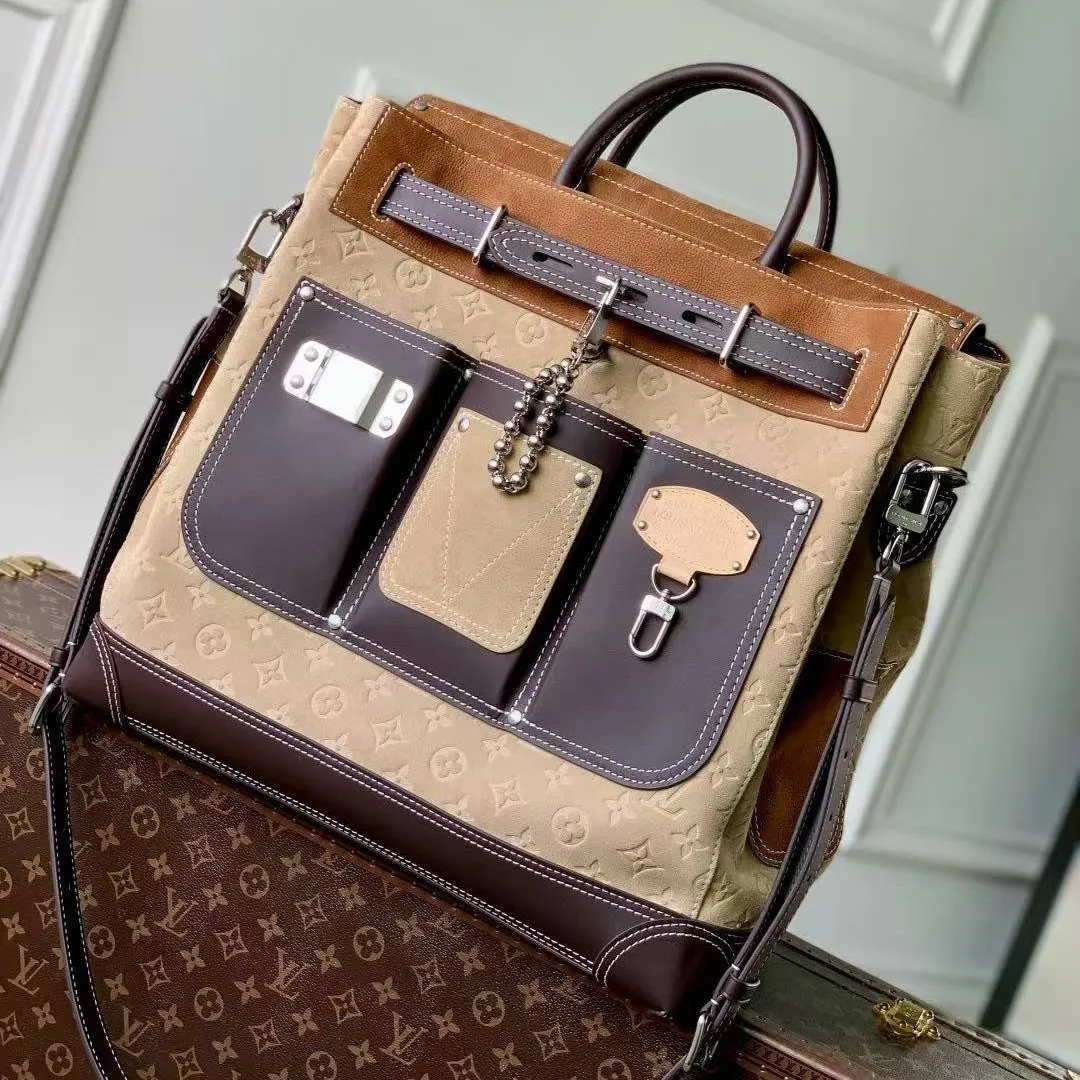
My leather backpack has been through more than any bag should have to survive. It’s been under airplane seats, on gym locker room floors, in the rain on a bike, and once, regrettably, used as a makeshift soccer goal by my nephew. Backpacks take the worst abuse of any men’s bag because they’re the workhorse — the thing you grab when you need to carry everything and look decent doing it. And unlike a briefcase, which lives a sheltered life between desk and car, a backpack lives outdoors.
That’s why backpack care is a slightly different game. The basics are the same — clean, condition, protect — but the rhythm and the priorities change. Here’s how I keep my backpack alive, through daily commutes, downpours, and everything in between.
Why a Backpack Ages Differently
A backpack flexes constantly. Every time you swing it onto your shoulder, the leather at the straps, the top flap, and the side panels bends. That flexing is exactly what wears leather out — it squeezes the oils out of the fibers, the same way bending a wire eventually snaps it. So the two things that kill backpacks fastest are neglect and overloading. A dry, overloaded backpack will crack at the strap attachments within two years. A conditioned, sensibly packed one can go a decade.
Also, backpacks touch everything. They go on floors, benches, train seats, and the ground next to your desk. That means they pick up more grime, more grit, and more mystery stains than any other bag you own. The dust rule applies double: wipe it down more often than you think you need to.
The Daily Habits That Actually Matter
Three habits, none of them glamorous. First, keep a microfiber cloth in your desk drawer and give the backpack a quick once-over whenever you think of it — especially the bottom panel and the strap webbing, which collect the most grime. Second, don’t overload it. I know, I know, but a backpack stuffed to the zipper stresses the stitching and the strap attachments every single day. If you have to sit on it to close it, you’re damaging it. Third, empty it out once a week. Crumbs, loose change, and a forgotten protein bar turn into a sticky mess that the lining absorbs and the leather eventually smells.
Men’s bags have gone from pure utility to a genuine fashion category — Vogue Business has covered how menswear accessories became a serious market — but the care basics haven’t changed in a hundred years. Clean, condition, protect.
The Monthly Routine: Clean, Condition, Check
Once a month, do the full routine. Clean with a pH-balanced leather cleaner on a damp cloth, working in small circles and wiping with the grain. Pay special attention to the areas that touch your back — sweat and body oils are acidic and they eat into the finish faster than anything else. I learned this the hard way: the lower back panel of my first backpack turned dark and shiny within a year, and no cleaner ever fully fixed it.
After cleaning, condition with a thin coat of leather conditioner, let it sit for ten minutes, then buff. And here’s the step most guys skip: check the hardware and stitching. Run your finger along the seams where the straps attach. If you feel loose threads, deal with them before they become a blown seam in the middle of a commute.
Rain, Salt and Winter Grit
Backpacks face weather that briefcases rarely do. If you commute in a rainy city, a water-repellent spray is not optional. Apply two thin coats on a clean, dry bag, and reapply every couple of months or after a heavy soaking. Test on a hidden spot first — some sprays darken lighter leathers.
If the backpack gets properly soaked, the routine is blot, stuff, and wait. Blot with a towel, stuff it with paper to hold the shape, and let it dry slowly at room temperature. Never near a radiator, never with a hairdryer, never in direct sun — heat cracks leather faster than anything.
Winter is the sneaky one. Sidewalk salt leaves white crusty marks on the bottom of the bag, and if you ignore them, the salt eats into the finish. A wipe with a barely damp cloth gets most of it off. For stubborn salt lines, a cotton swab with a drop of white vinegar diluted in water works — test it on a hidden area first, then condition the spot afterward, because vinegar is acidic and dries leather out.
What to Watch For
Backpacks give you warning signs before they fail. Dark shiny patches where your back touches — that’s sweat damage; condition more often. Cracking at the strap fold points — the leather is drying out; step up conditioning. Loose stitches at the seams — fix now or replace the bag later. A squeaky strap attachment — usually a dry rivet or worn hole; a drop of leather oil on the joint can quiet it for months.
One more thing: don’t store a backpack hanging by its loop for months at a time. The weight stretches the leather and the loop. Lay it flat or hang it by the body, and keep it out of damp basements. That’s the kind of mistake that turns a good bag into a moldy memory.
If your current backpack is past saving, or you just want one that’s built to last through the abuse, check out the men’s leather bags we carry — and then treat the new one better than I treated my first.
Related reading: Men’s Bag Care: Maintaining Leather Briefcases, Backpacks & Wallets · The Complete 101 Buying Guide · How to Clean a Leather Briefcase Without Damaging It · Waterproofing a Men’s Leather Bag: What Works and What Hurts
Industry data and professional guidance from Leather Naturally support this view.
For more on this topic, the experts at SGS Consumer Testing offer detailed guidance.