
Fashion & Styling
Is Louis Vuitton Still Worth It in 2026, or Is It Just for Show-Offs?
Aug
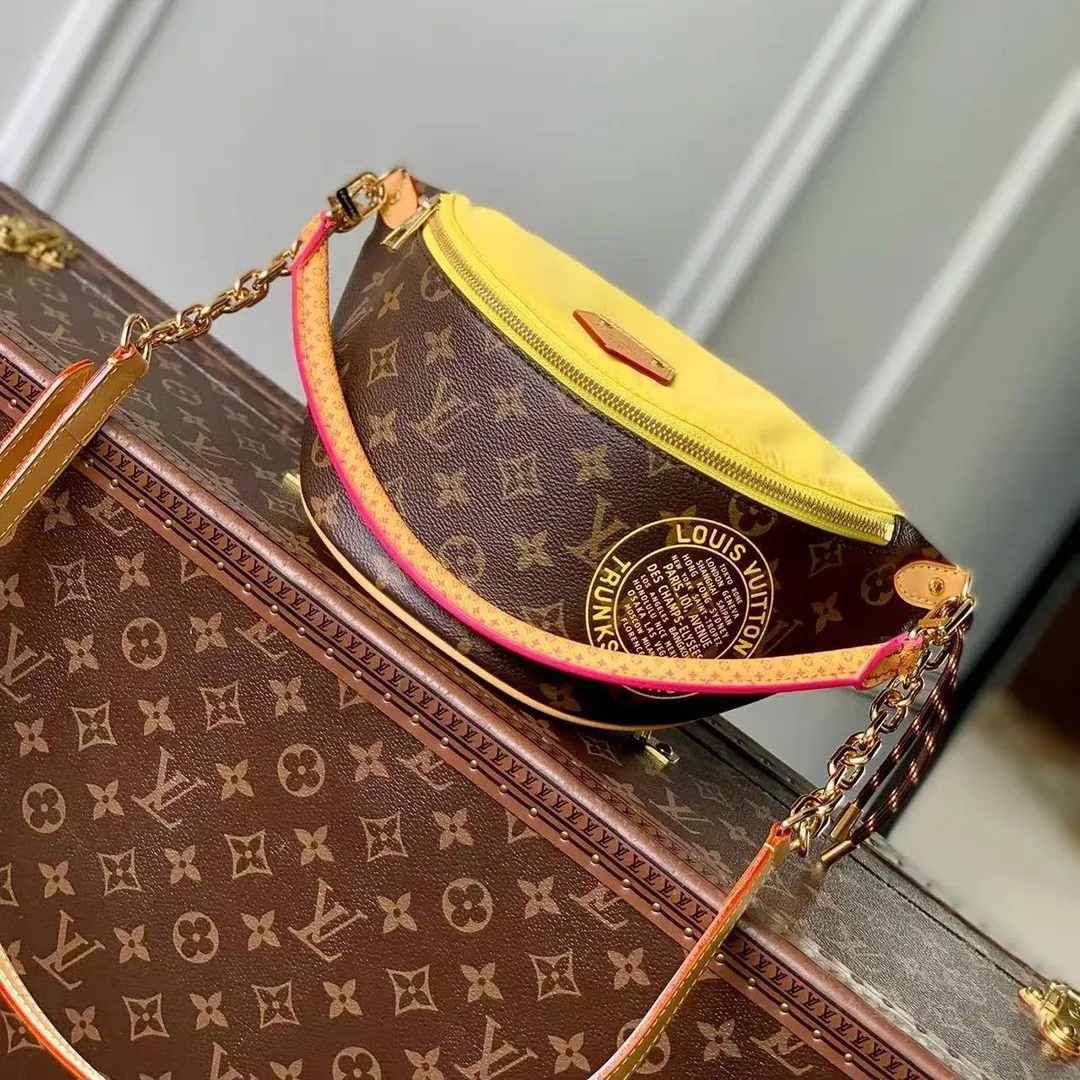
The question of whether Louis Vuitton is worth it gets asked every year, and 2026 is no exception. The brand has raised prices repeatedly, expanded into new categories, and maintained its status through controversies and comebacks. The honest answer is that “worth it” has two completely different meanings, and conflating them produces endless unproductive arguments. The functional question and the status question deserve separate answers.
I have watched the brand for years, and the debate is really about which of those questions people are actually asking.
The Functional Question: Quality and Value
Functionally, Vuitton pieces are well-made. The coated canvas is durable, the construction is solid, and the brand’s repair service keeps pieces alive for decades. The leather goods, especially the full-leather lines, use quality materials with real craftsmanship. For buyers who want a bag that lasts years and holds up to daily use, the functional case is genuine, though the same durability is available from non-brand options at lower prices.
The value math is personal: a Vuitton bag worn daily for ten years has a defensible cost per wear, and the resale market supports the price. But the same math works for well-made alternatives, without the premium. Functionally, you are paying for proven quality plus brand markup, and the markup is the question.
The Status Question: What the Logo Does
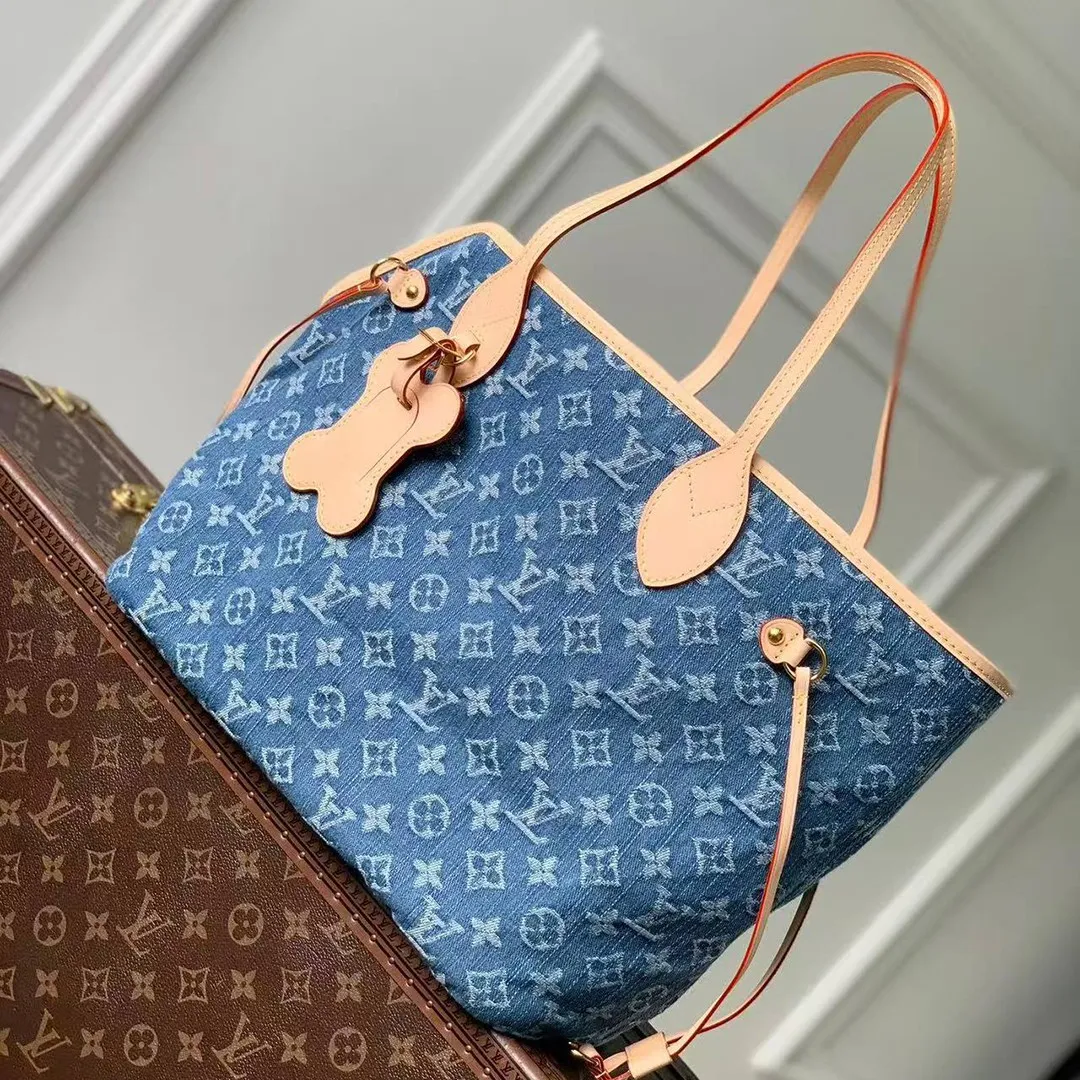
The status dimension is where the “show-off” charge comes from, and it is not entirely unfair. A significant share of Vuitton’s price is the monogram, and the monogram’s job is to be seen. Buyers who wear it are participating in a system of visible signals, and that is legitimate, fashion has always been signaling, but it is worth being honest about what you are buying. The monogram is the product as much as the bag is.
The interesting shift is that status itself has become more complicated. The rise of “quiet luxury” has made visible logos less fashionable among certain circles, while the monogram remains beloved in others. The status value of Vuitton now depends on which audience you are signaling to, and the brand’s meaning varies by context.
The Price Trajectory Reality
Vuitton’s repeated price increases have changed the value equation. A bag that cost one amount in 2019 costs significantly more today, and the increases outpace both inflation and most alternatives. For buyers considering entry now, the starting price is higher than the brand’s own history would suggest. The counterpoint is the resale market: prices have risen there too, and older Vuitton pieces hold and sometimes gain value.
For a buyer deciding in 2026, the price trajectory matters in both directions: entry is more expensive than ever, but the pieces you buy carry that higher baseline into resale. The brand has become more of an investment piece and less of an impulse purchase.
Who It Is and Isn’t For
The honest segmentation: Vuitton is worth it for buyers who value the brand itself, the heritage, the monogram, the status, and the resale support, and who will actually use the piece for years. It is not worth it for buyers who want the best quality per dollar, who are uncomfortable with visible logos, or who are buying on credit to impress. For the first group, the premium buys real things. For the second, it buys mostly the name.
There is also the counterfeit consideration: Vuitton is among the most faked brands, so buying genuine requires care, and the risk is another cost of the brand’s fame.
The Designer Inspired Alternative
For the many buyers who want the aesthetic, the monogram look, the classic silhouettes, the heritage styling, without the price, the status games, or the counterfeit risk, designer inspired pieces deliver the design language at a fraction of the cost. They are original pieces, not fakes, referencing the aesthetic rather than copying trademarks. The trade-off is the brand itself: no heritage story, no resale value, but also no premium, no waiting lists, and no authenticity anxiety.
The Verdict
Is Louis Vuitton worth it in 2026? For buyers who value the brand, the heritage, and the status it carries, and who will wear the pieces for years, yes, with the understanding that they are paying for the name as much as the bag. For buyers focused on function-per-dollar or uncomfortable with logos, no, because the alternatives deliver the durability and the aesthetic without the premium. The brand is not a scam and not a magic; it is a luxury purchase with real qualities and real markup, and “worth it” is decided by which of those you value.
Get the aesthetic your way: explore our designer inspired handbag collection for iconic styles at accessible prices.