
Lifestyle
Have You Bought or Would You Buy a Product for Its Minimalist Design?
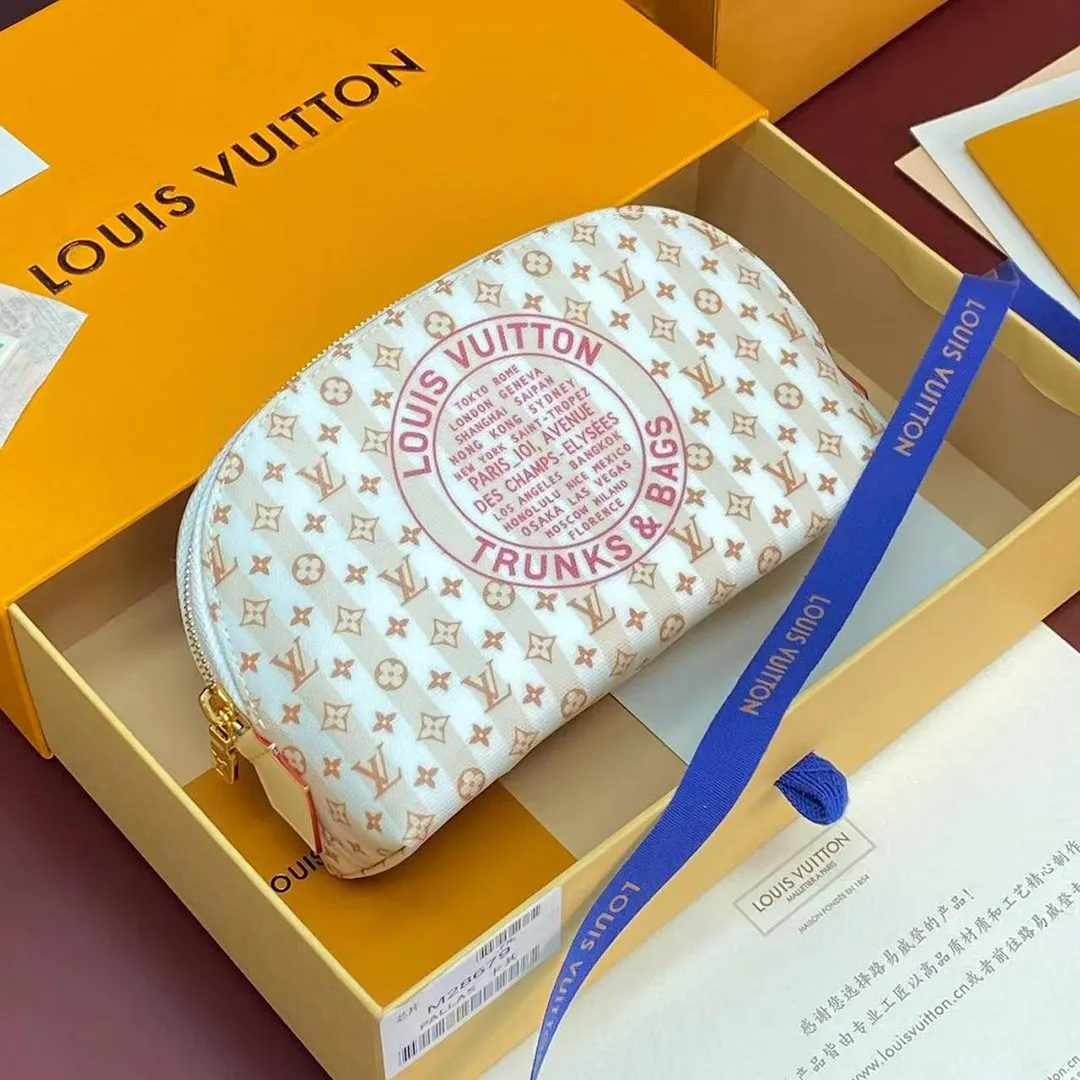
Aug
Minimalist design has become a purchase motive in itself. People buy phones, furniture, packaging, and accessories because they look clean, and the question is whether that motive is rational or just aesthetic impulse. The honest answer is that minimalist design often signals real quality, but not always, and understanding the difference makes you a better buyer.
I have bought products for their minimalist design many times, and the results split cleanly between excellent purchases and overpriced plainness.
Why Minimalist Design Attracts Buyers
The appeal is not shallow. Minimalist design usually means the designer removed what was unnecessary, and the remaining form has to work harder. A clean product is often a considered product: the proportions are deliberate, the materials are chosen for their own quality, and the function is not hidden behind decoration. This is why minimalist products frequently feel better in the hand, because the design had to earn its simplicity.
Minimalism also promises longevity. A product without trend-specific decoration does not date, and buyers understand this intuitively: the plain object will still look right in five years. The purchase is partly a bet on timelessness.
When Minimalism Signals Quality
The signal is genuine in specific categories. In leather goods and accessories, minimalist design usually means better materials, because there is nothing to hide: a plain wallet or bag shows its leather, stitching, and hardware immediately, and flaws are visible. In electronics and furniture, minimalist design often correlates with engineering focus, the maker spent the budget on internals rather than styling. In packaging, minimalism frequently signals a premium product that does not need decoration to sell.
In these categories, minimalist design is a legitimate quality indicator, and buying for it is rational.
When It Is Just Aesthetics
The trap is when minimalism is used as a premium marker without substance. Some brands charge more for less: the same product as a generic version, stripped of features, presented as “minimal.” The plain object is not better made; it is just plain. This is common in fast-moving categories where the aesthetic is a marketing position rather than an engineering result.
The test: does the minimalism reveal quality or hide its absence? A product that is minimal and cheaply made shows its cheapness immediately; a product that is minimal and well-made looks effortless. If the plainness is accompanied by quality materials and construction, it is real. If it is accompanied by thinness and shortcuts, it is marketing.
The Buying Test for Minimalist Products
Before buying for design, run three checks. First, the material check: are the materials themselves quality, or is the minimalism masking cheapness? Second, the function check: does the product do its job better than decorated alternatives, or was function stripped along with decoration? Third, the longevity check: would you still want it in five years, or is the minimalism a trend in disguise? Products that pass all three justify the design purchase; products that fail it are just plain.
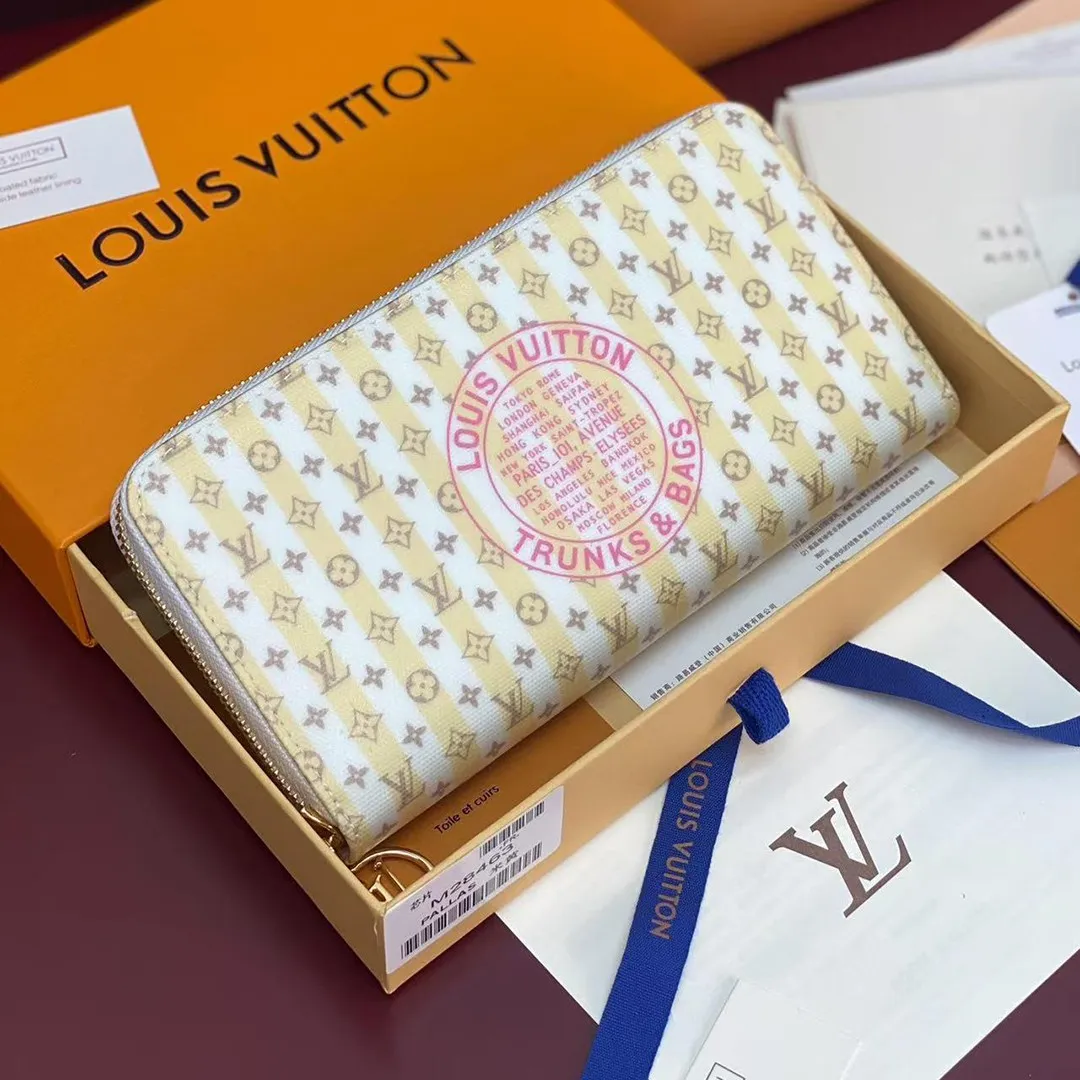
The accessory category is a good example: a minimalist wallet or bag that uses full-grain leather and solid hardware passes all three checks, and buying it for the design is buying for the quality underneath.
The Verdict
I have bought, and would buy again, products for minimalist design, but only when the design signals real quality. Minimalism is a reliable purchase motive in categories where the design exposes the materials and craft, like leather goods, and a risky one where it is used as a marketing veneer. Run the material, function, and longevity checks, and the minimalist purchase becomes rational instead of impulsive. The cleanest products are often the best made; the trick is telling them from the merely plain.
Shop design that signals quality: explore our designer inspired accessories or browse small leather goods where minimalist design meets real materials.