
Women Bag Gifting
Handbag Gifts for Teens: Styles That Hit at Every Age
Aug
Buying a handbag for a teenager is its own sport, and I’ve learned the hard way that a fourteen-year-old and an eighteen-year-old want completely different things. My niece got her first “real” bag from me at fifteen — a little crossbody in dusty pink — and she wore it until the strap gave out. Two years later her sister got the same style in a different color and it sat in the drawer for six months. Different kid, different era, different rules. That’s the whole lesson: age bands matter more in teen gifting than in any other category. Here’s how to hit at each one.
Ages 13 to 15: Fun First, Quality Second
At this age, the bag is a costume piece. She’s figuring out who she is, and the bag is part of the dress-up. So buy fun: mini bags, crossbodies, playful colors, a cute charm. Quality still matters — buy real leather if you can, because this bag will take a beating at school — but the style should be young, not timeless. A “classic investment piece” at fourteen is like giving a kid a wine cellar. She has no use for it yet.
The practical rules: it must fit her phone, because nothing else in the world matters more. It should have a strap that stays on her shoulder through hallways and bus rides. And avoid anything too precious — white suede, delicate chains, bags that require gentle handling. She’s not gentle. She’s fourteen. My niece’s pink crossbody survived two years of school because it was simple leather with a sturdy strap, and that’s exactly the formula.
Ages 16 to 18: The First “Real” Bag
This is the transition window, and it’s where most parents make the mistake of going too mature. A sixteen-year-old is not a forty-year-old, and a stiff leather satchel that reads “boardroom” will die in the drawer. But she’s also not a child anymore — she’s noticing what her friends carry, what influencers wear, and what quality feels like. This is the age for her first genuinely good bag: a leather tote for school, a structured crossbody, something with real presence.
The key is letting her taste lead. She knows what she wants, so if you’re brave, this is the age where a shopping trip beats a surprise — or at least a gift receipt and a clear “we can swap it” offer. School practicality matters too: if she carries textbooks, the bag has to fit them, and a tote she can sling over a backpack strap wins over a hand-carry that occupies a hand she needs.
Ages 19 to 21: Trend-Forward and Going Out
By now she’s an adult shopper with adult opinions, and she’s deep in trend culture — the same wave that’s pushing young shoppers toward bolder, faster fashion cycles. Gen Z moves trends faster than any generation before it, so at this age the safe play is trendy but flexible: a shoulder bag in a current silhouette, a color that’s having its moment, a going-out bag that’s fun enough for parties and decent enough for class.
This is also the age where the first quality investment lands. A nineteen-year-old is old enough to appreciate full-grain leather and good hardware, and a genuinely well-made bag at this stage can become her first “nice thing” — the one she keeps for a decade. My other tip for this band: ask her friends. At nineteen, her best friend knows her taste better than you do, and the gift-secret code is sacred. One text, zero risk, perfect bag.
What Parents and Relatives Get Wrong
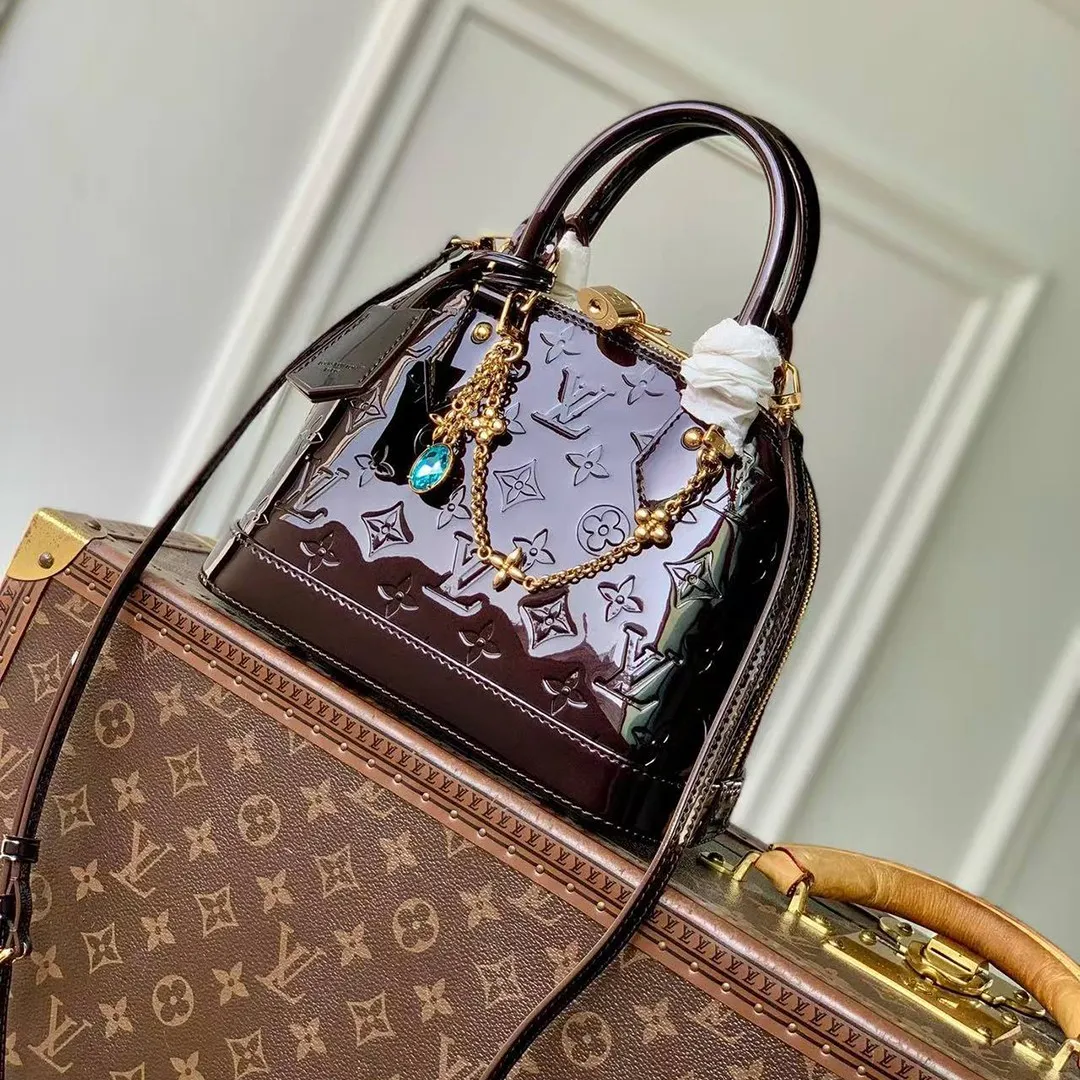
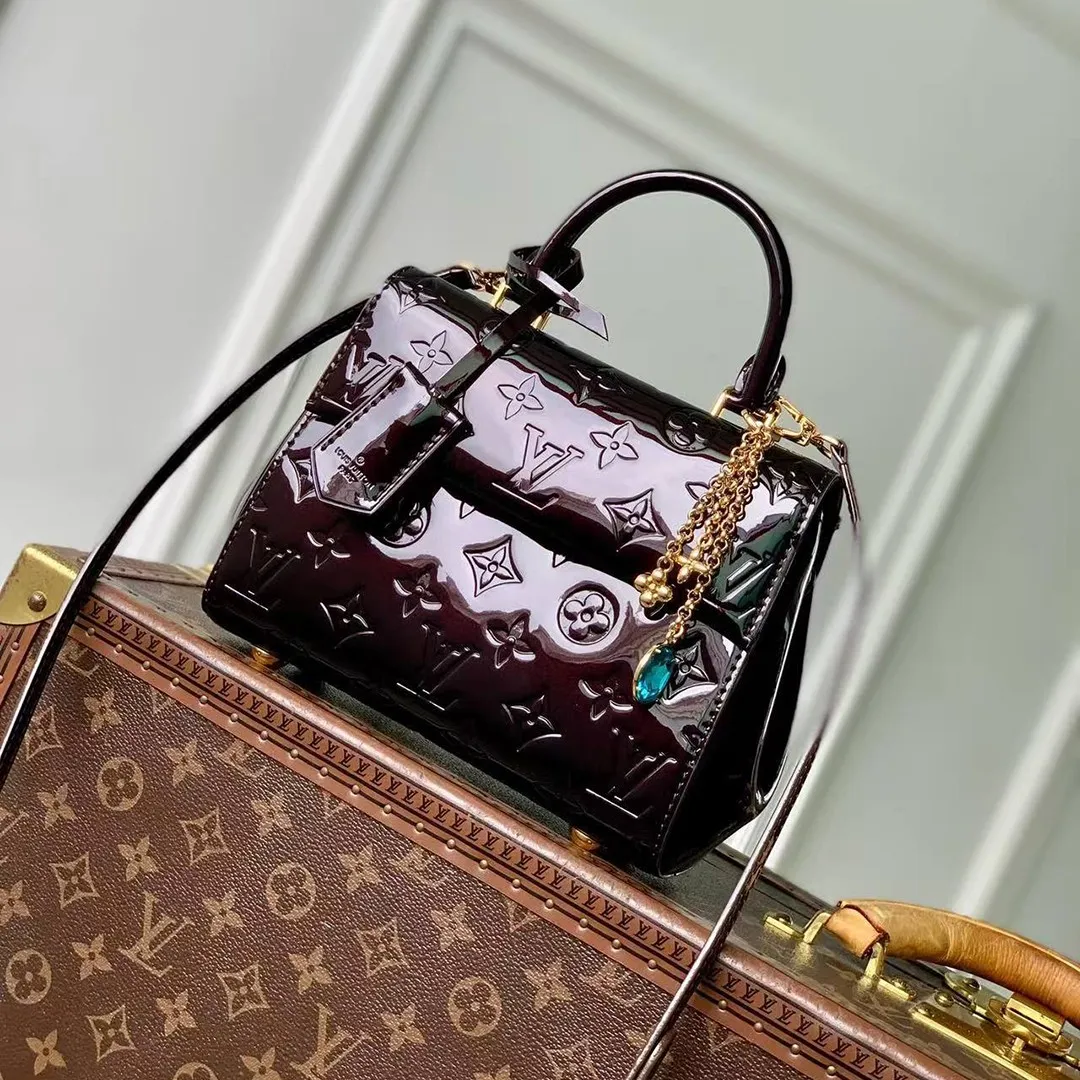
Let me list the classic misses so you can skip them. First: buying too mature. A structured top-handle bag with a gold chain is a beautiful thing that no teenager will carry. Second: buying too childish. If she’s seventeen and you show up with a cartoon print, you’ve communicated that you still see her as a kid — which is the exact thing she’s trying to escape. Third: the wrong metal. Teens notice hardware, and if her jewelry is silver, gold hardware will read as “off” even if she can’t articulate why.
Fourth, and this one’s huge: logo overload. Many teens want quality without the shouting — a clean leather bag with no visible brand is often the better gift than a logo-covered one, because it lets her define herself instead of wearing a billboard. And fifth: don’t skip the receipt with teens. Their taste changes quarterly, and a bag that’s perfect in September can feel wrong by December. The receipt isn’t doubt — it’s the difference between a used gift and a loved one.
The Practical Layer Nobody Thinks About
Finally, remember that a teen’s bag has to survive a specific life: school rules, backpacks, lockers, bus seats, festival fields. Check the school’s bag policy if she’s still in classes — some schools restrict bag sizes or require clear bags, and a gift that can’t be worn to school is a gift that gets worn rarely. Pockets matter (she’ll carry earbuds, chargers, lip balm, and mysteries you don’t want to know about). And a bag that can be worn crossbody or on the shoulder covers twice as many situations as one that only works one way.
Buy the age band, not the age. Fun at fourteen, real at sixteen, invested at twenty — and when in doubt, the receipt and the swap offer cost you nothing. She’ll feel seen either way, and that’s the actual gift.
Looking for the right starting point? Our women’s leather bag collection has clean, quality pieces that work across all three age bands — especially the crossbodies and shoulder bags teens actually carry.
Related reading: The Best Handbag Gifts: How to Choose a Bag She’ll Actually Love · The Complete 101 Buying Guide · Handbag Gifts on a Budget: Quality Under Every Price Point · The Perfect Handbag Gift for Mom (Whatever Your Budget)
For the industry perspective, Leather Working Group publishes regular updates on this space.