
Women Bag Styling
Handbag Color Coordination: Which Bags Go with Which Outfits
Aug
The most common question I get from friends and customers is about color: “Will this bag go with my clothes?” It is the wrong question. Almost every bag goes with almost every outfit if you understand two things: color families and the role the bag plays. Once I stopped asking “does it match” and started asking “does it belong,” every bag I owned started working harder.
Here is the color system I actually use, no color wheels required. It is based on how colors sit together in real life, and it works with the clothes you already own.
Start With the Neutral Spine
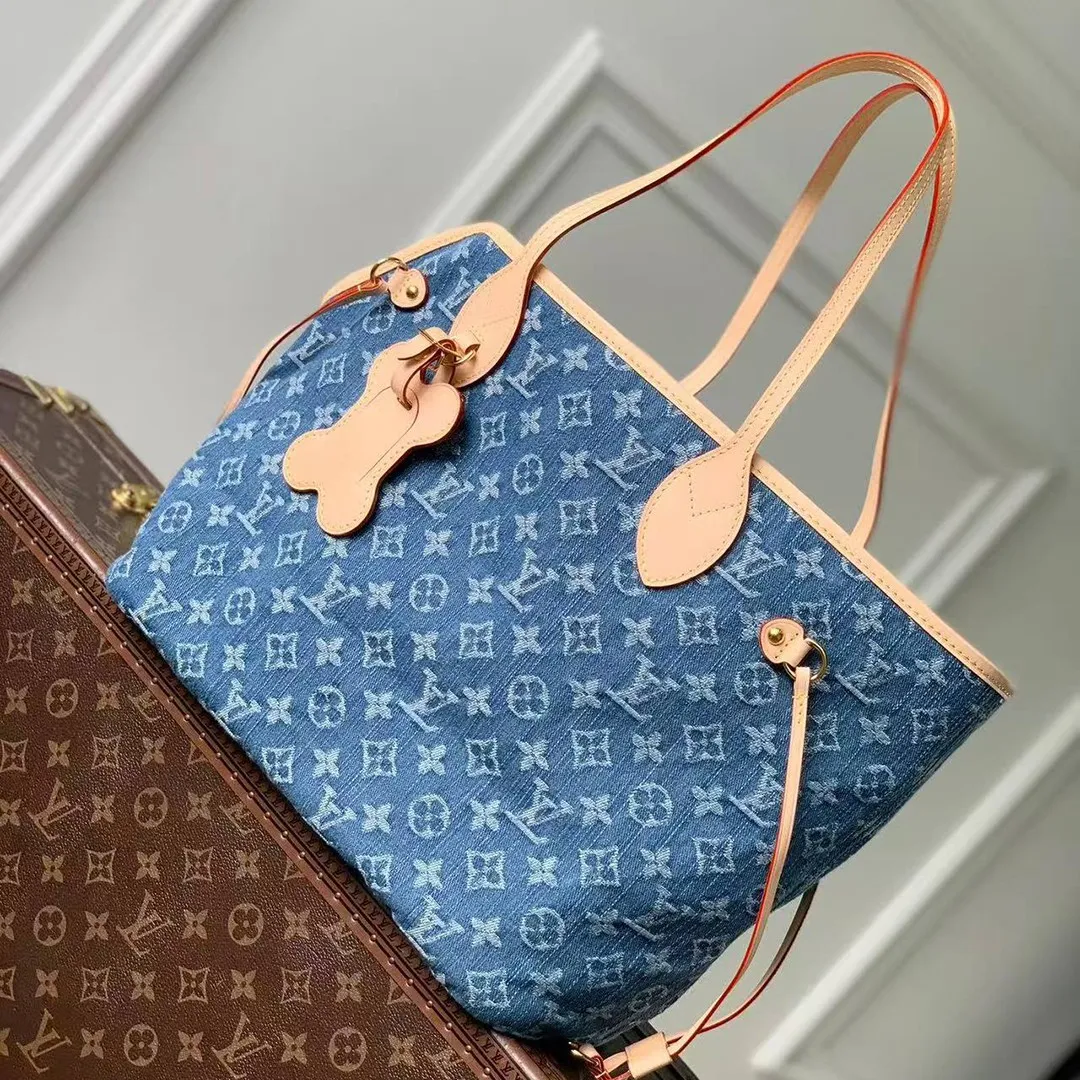
Black, tan, cognac, gray, and cream are the backbone of any bag collection. They are not boring; they are the colors that make every other color possible. Black goes with everything, obviously, but it is not always the best choice. A tan or cognac bag warms up an outfit the way black never can, and against denim or navy, it looks like you planned the whole thing.
My breakdown: black for evening and monochrome outfits, tan for spring and summer and anything white, cognac for autumn and everything warm-toned, gray for the outfits where black feels too heavy. If you own one bag, make it tan or cognac, because they flatter more skin tones and more outfits than black does.
One warning here: neutral does not mean invisible. A well-made neutral bag in good leather still reads expensive and intentional; it just does not shout. The cheap version of this mistake is buying the beige bag that looks like a dishcloth, because the color is neutral but the material and shape are doing nothing. A neutral bag has to earn its place with structure, leather quality, and hardware, or it will just look like you forgot to bring a bag.
The 60-30-10 Idea, Applied to Bags
Interior designers use a 60-30-10 rule: sixty percent dominant color, thirty percent secondary, ten percent accent. Your outfit works the same way. The bag is usually the ten percent, the accent that makes the look memorable. That is why the bag should rarely match the outfit exactly: if the dominant color and the accent are identical, there is no accent left.
Example: an all-black outfit is sixty percent black, thirty percent whatever your shoes and accessories add, and the bag is the ten percent. A red bag makes that outfit. A black bag makes it an outfit with no accent. Same with jeans and a white tee: the bag is the accent, so it should bring a color the outfit does not already have, like cognac or olive.
Warm vs Cool: The Rule Most People Skip
This is the rule that explains why some bags just look “off” with certain outfits. Warm outfits, creams, tans, olive, rust, most browns, want warm bags: cognac, caramel, tan, warm reds. Cool outfits, black, gray, navy, white, icy pastels, want cool bags: black, gray, taupe, cool reds, and silver-toned hardware.
Real example: a cream sweater and olive trousers with a black bag looks flat, because the outfit is warm and the bag is cool. Switch to a cognac bag and the whole look warms up and reads intentional. The colors did not change; the temperature matched.
Tonal Dressing With Your Bag
Tonal dressing, wearing one color family in different shades, is the most flattering way to wear color, and the bag is a perfect participant. A navy outfit with a deeper navy bag, a blush outfit with a cream bag, a gray outfit with a charcoal bag: the bag adds depth without adding a new color.
The one rule inside tonal dressing: keep the bag slightly lighter or slightly darker, never the exact same shade, because same-shade looks like an accident. And when the whole outfit is tonal and neutral, that is when a colorful bag, red, emerald, cobalt, works as the single bold note.
When to Break the Rules
Color blocking, wearing clashing colors on purpose, is the one place the rules go out the window, and it can look amazing. A cobalt dress with a mustard bag is a choice, and when it is deliberate, it reads fashion-forward instead of messy. The trick is commitment: half-hearted clashing looks like a mistake, full-hearted clashing looks like style.
Two more of my personal rules. White bags work best from spring through early autumn and with light outfits. And a red bag goes with everything, including other patterns, because red is the one color that acts like a neutral. Buy the red bag. You will not regret it.
One more rule I have learned the slow way: when you wear a colorful outfit, match the bag to the least dominant color in it, not the most. A red dress with white polka dots gets a white bag, not a red one. A green blouse with navy trousers gets a navy bag. The eye reads the small agreement and calls it coordination; the big match just looks like a costume. This single trick has fixed more of my outfits than any color theory I have ever read.

For analysis of how color trends move through the fashion market each season, Vogue Business is a great read.
Ready to find a bag that finally belongs with your wardrobe? Explore our women’s designer-inspired handbag collection.
Related reading: How to Style Handbags: Matching Bags to Outfits for Every Occasion · The Complete 101 Buying Guide · How to Match a Handbag to an Outfit: The Simple Rules · Mini Bag vs Large Bag: How to Style Both
For more on this topic, the experts at Vogue offer detailed guidance.