
Shoe Care
Why Your Shoes Squeak and How to Fix It
Aug
There’s a special kind of embarrassment that comes from walking into a quiet office and having your shoes announce you. Squeak, squeak, squeak. I’ve been that person — in a meeting, in a church, at a wedding where everyone turned to watch the noise approach. The good news, learned through years of trial and error: almost every squeak is fixable at home, and the fix usually takes five minutes.
Where the Squeak Comes From
A squeak is friction — two surfaces rubbing together and vibrating. The trick is figuring out which two surfaces. The main suspects: the insole rubbing against the outsole inside the shoe (the classic), the tongue rubbing against the eyelet stay (that one squeaks with every step as the laces pull), moisture trapped between layers, a loose heel block, and — surprisingly often — a brand-new sole that just needs breaking in.
Here’s how to locate it. Walk on a hard floor and listen: is it every step, or only when you push off? Then test the heel and the toe separately — step down hard on the heel first, then on the toe. A heel squeak usually means the heel block or the insole near the heel. A toe squeak means the sole layers up front. And if the sound happens when you flex the shoe by hand — bend the toe up and down — it’s the materials inside.
Floors matter too. Some shoes only squeak on certain surfaces — tile and polished concrete are the worst offenders, while carpet kills the sound entirely. If your shoes only announce themselves in the office hallway, the problem may be half floor, half shoe. Still worth fixing, but it changes how urgent the whole thing feels.
The Quick Fixes to Try First
Baby powder is the number one fix for a reason. Take the insole out, dust a thin layer of powder on the bottom of it and on the footbed underneath, and put it back. The powder stops the two surfaces from gripping each other. Cornstarch works too. This fixes more than half of all squeaks, and it’s invisible.
If the squeak is in the tongue area, it’s usually the laces or the leather rubbing. Rub a little leather conditioner on the tongue and the inside of the eyelet stay, and loosen the laces one notch while you’re at it — overtight lacing is a common cause I overlooked for years.
Moisture is another sneaky cause. If the shoes got wet recently, the layers can hold dampness and squeak like a wet floorboard. Let them dry fully on trees for a couple of days before you do anything else. Half the time, that alone kills the noise.
And if the shoes are new, consider just wearing them. Fresh soles — especially smooth leather soles — squeak against some floors for the first week. The surface wears in, the noise stops. My favorite pair of loafers squeaked like a playground swing for exactly six wears, then never again.
When It’s the Sole (and When to Call a Cobbler)
If the powder, drying, and conditioning don’t work, the squeak is probably inside the sole construction — a small air pocket or a partially separated layer. You can’t fix that from outside. A cobbler can inject adhesive into the gap or re-glue the layer, and it’s a cheap job, usually under twenty dollars.
Don’t ignore a persistent sole squeak for months. What starts as noise can become a sole that separates entirely — I watched a friend wear a pair until the front half of the sole flapped open on a subway platform. A twenty-dollar cobbler visit would have prevented it.
What Not to Do
Don’t oil the whole shoe — you’ll soak the lining and end up with a different, worse problem. Don’t cut or trim anything you think is “rubbing.” Don’t superglue parts of the shoe yourself; if glue ends up where it shouldn’t, you’ve turned a repair into a tragedy. And don’t ignore structural sounds: a squeak that comes with any wobble or loose feeling in the heel is a worn heel block, which is a safety issue, not a noise issue — get it replaced.
On the business side of why shoes are built the way they are, The Fashion Law regularly covers construction and quality disputes in footwear — their coverage of the shoe industry is worth reading if you want to understand what’s actually inside the soles you walk on.
The best fix is prevention, and it’s boring: keep shoes on trees, let them dry fully between wears, and condition the leather a few times a year. Dry, well-maintained shoes rarely squeak. I can count on one hand the squeaks I’ve heard from shoes that live on trees, and most of those were just new soles breaking in.
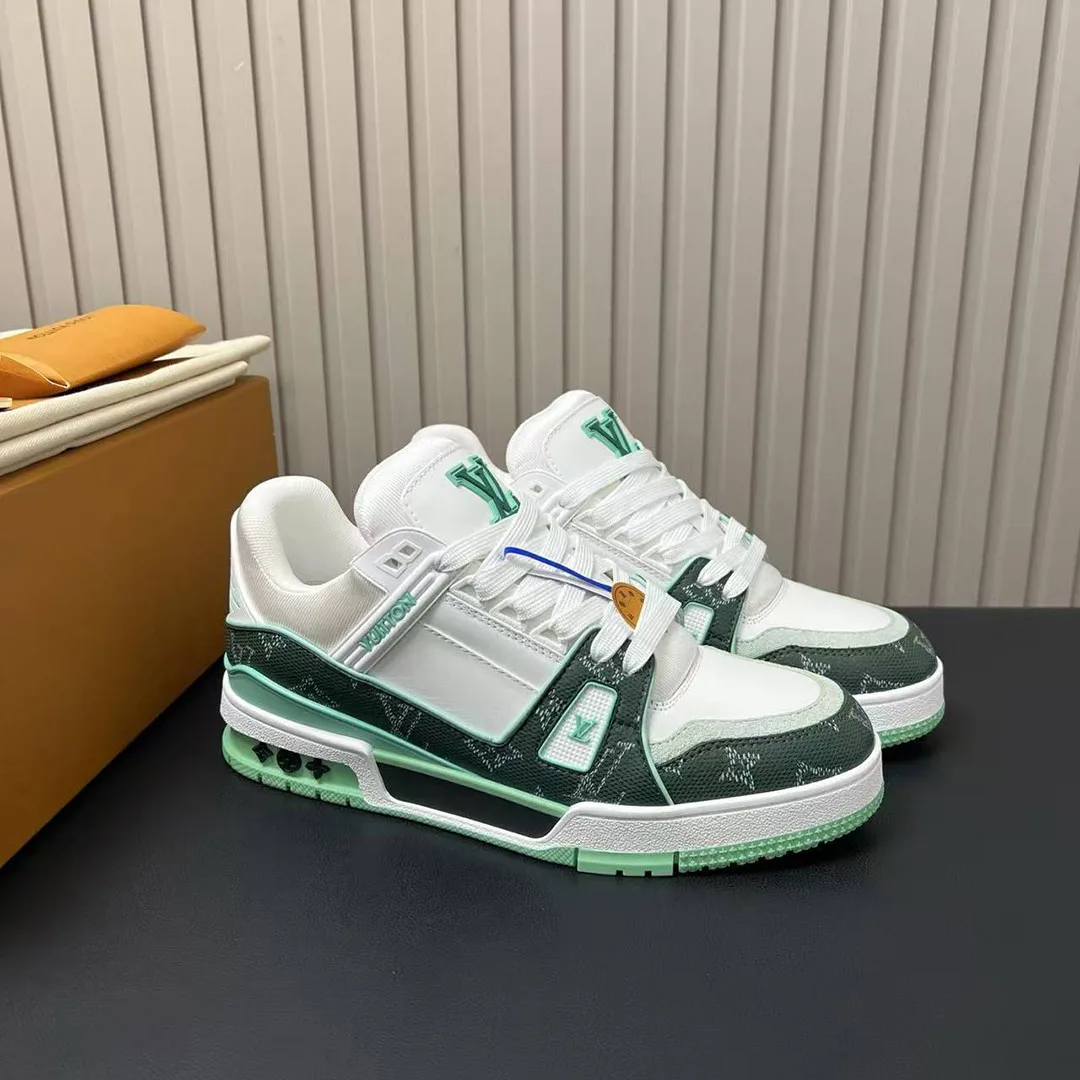
Nine times out of ten, the fix is powder, drying, or a cobbler — in that order. Your shoes should announce you with their style, not their noise. If you’re shopping for a new pair that’s worth this much attention, browse our shoe collection.
Related reading: Shoe Care 101: Cleaning, Conditioning & Storing Leather Shoes · The Complete 101 Buying Guide · How to Polish Leather Shoes: The Complete Guide · How to Remove Salt Stains from Leather Shoes in Winter
For the industry perspective, SGS Consumer Testing publishes regular updates on this space.