
Gift Care
Care Differences: Bags vs Wallets vs Belts vs Shoes
Sep
Here is a mistake I made for years as a buyer: I treated all leather the same. One conditioner, one routine, one set of rules, applied to everything from a tote bag to a belt. Then I started paying attention to how each piece actually failed, and the failures told a completely different story. Bags die from shape loss. Wallets die from friction and sweat. Belts die at the flex points. Shoes die from moisture and uneven wear. Four pieces, four completely different death certificates.
This guide maps the care differences across the four most gifted leather items, so you can match the routine to the piece instead of guessing. It matters more than you think, especially when you are the one gifting, because the right advice is the advice that gets followed.
The Shared Basics
Before the differences, the common ground. Every leather piece, regardless of type, needs the same three things: weekly dust wiping, monthly conditioning, and storage away from sun, heat, and plastic. That is the floor. If you do only these three, every piece survives. The differences below are about emphasis, not about replacing the basics. And the one rule that never changes: never use dish soap, alcohol wipes, or all-purpose cleaners on any of them. That rule applies to bags, wallets, belts, shoes, and anything else made of animal skin.
Bags: Shape and Storage Are Everything
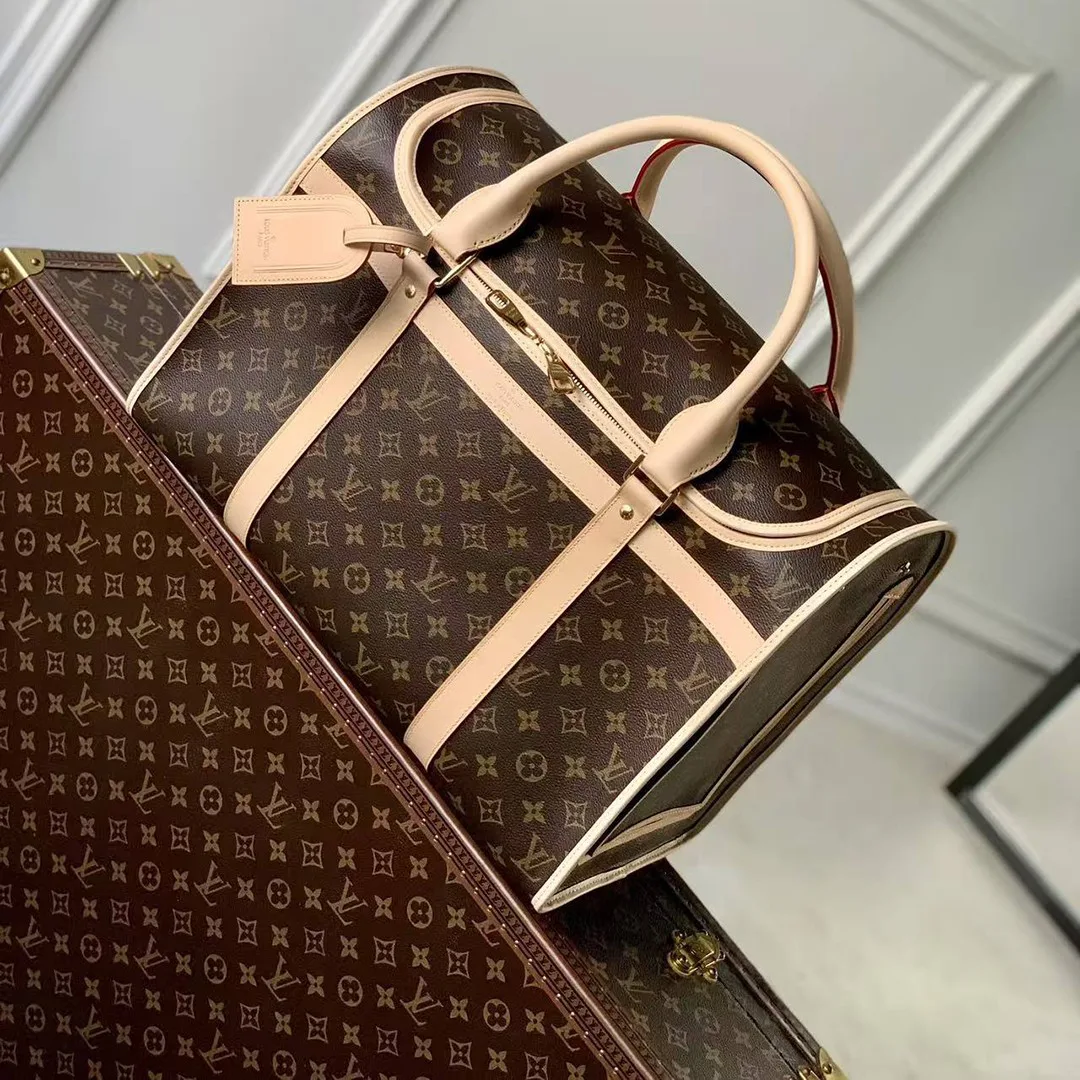
A bag fails differently from every other leather item because it carries weight. The straps stretch, the base sags, the sides crease at the fold points, and none of that comes from dirt. It comes from gravity and habit. So the care priority for a bag is structural: empty it weekly, never overload it, and store it stuffed with tissue or packing paper, upright, never hanging by the straps. I have seen a two-hundred-dollar bag outlive a thousand-dollar bag purely because one was stored stuffed and the other was hung on a hook by its handle for three years. Storage is the whole game with bags.
Conditioning matters too, especially on the handle and the strap, because those are the flex points where the leather bends and the oils deplete fastest. But if you only have time for one thing with a bag, make it the stuffed storage. It is the difference between a bag that keeps its architecture and a bag that collapses into a floppy shadow of itself.
Wallets: The Pocket Is the Enemy
Wallets live in the harshest environment in the wardrobe: a pocket. They get sat on, sweated on, and rubbed against keys and coins, all day, every day. The result is that wallets die from the edges first. The corners wear through, the stitching at the seams gives way, and the leather gets a polished, shiny, almost greasy look from constant friction. The care priority for a wallet is protection from that environment: keep it out of the back pocket, keep it away from keys, and wipe it monthly, because pocket lint and sweat are acidic over time.
Here is the counterintuitive part: a wallet needs less conditioning than a bag, not more. The oils from your hand and the friction of daily use actually keep wallet leather supple, sometimes too supple. Over-conditioning a wallet makes it soft, stretchy, and floppy, and a floppy wallet is a wallet that drops cards. Condition a wallet every two to three months, lightly, and spend your real care budget on keeping it out of the back pocket.
Belts: Flex Points and the Buckle
Belts fail in two specific places, and both are easy to miss. First, the flex point where the belt bends when you sit, usually right below the buckle and around the hole you use most. That leather gets micro-cracks that spread into ugly creasing, and once creased, a belt never looks new again. Second, the buckle area: sweat and metal react with the leather around the buckle and the holes, leaving dark staining that people mistake for dirt.
Care for a belt is short and specific: wipe the flex points weekly, condition the whole belt monthly, and never coil it tightly for storage, because tight coiling creates permanent creases. Roll it loosely or hang it. And if the belt has a metal buckle, a quick wipe under the buckle keeps the metal from tarnishing onto the leather. Belts are the lowest-effort leather item to maintain, which makes them the perfect gift for a low-maintenance person.
Shoes: Trees, Rest, and the Soles Nobody Thinks About
Shoes are the high-maintenance child of the leather family, and the reason is moisture. Feet sweat, rain splashes, and leather absorbs both. The care priority for shoes is drying and rest: cedar shoe trees from day one, a full day of rest between wears so the leather can dry out, and immediate blotting if they get wet, never a hairdryer. Shoes also wear from the bottom, and the sole is the part nobody gifts with, so the practical advice is: get the soles protected early if the piece deserves it.
Shoes also take the most abuse of any leather item, so they need conditioning more often, monthly or even biweekly in heavy use, and they are the one item where a dedicated leather cleaner earns its place, because shoe leather picks up grime that a dry cloth cannot shift. The honest summary: if you gift shoes, gift shoe trees with them. It is the single most effective care purchase in the entire leather world.
The pattern is simple once you see it: bags need structure, wallets need a safe environment, belts need flex-point attention, and shoes need rest. Gift accordingly, teach accordingly, and each piece gets the care it actually needs instead of the care you happen to know. That is the difference between a leather collection that lasts and a leather graveyard.
Browse our bags, wallets, belts and more and match the care to the piece.
For market perspective on how long buyers expect leather goods to last, the luxury handbag market report tracks durability as a key factor in purchasing decisions.
Related reading: Gift Care: How to Help Someone Care for the Leather Gift You Gave · The Complete 101 Buying Guide · The Gift Follow-Up: Keeping the Care Going After the Giving · Build a Leather Gift Care Kit: What to Include
For more on this topic, the experts at Leather Naturally offer detailed guidance.