
Men Bag Styling
How to Wear a Bag with a Suit (Without Looking Awkward)
Aug
I’ll be honest with you: most men look awkward with a bag and a suit. Not because the bag is wrong, but because nobody ever told them the rules. I’ve been selling leather bags for years and I’ve watched guys walk out with a briefcase that fights their whole outfit. The suit is sharp, the shoes are polished, and then the bag shows up like it wandered in from a different decade. It doesn’t have to be that way. A bag can actually make a suit look better, if you treat it like part of the outfit instead of an afterthought. Here’s what I’ve learned from selling, wearing, and fixing these things.
Pick the Right Shape, Then the Right Leather
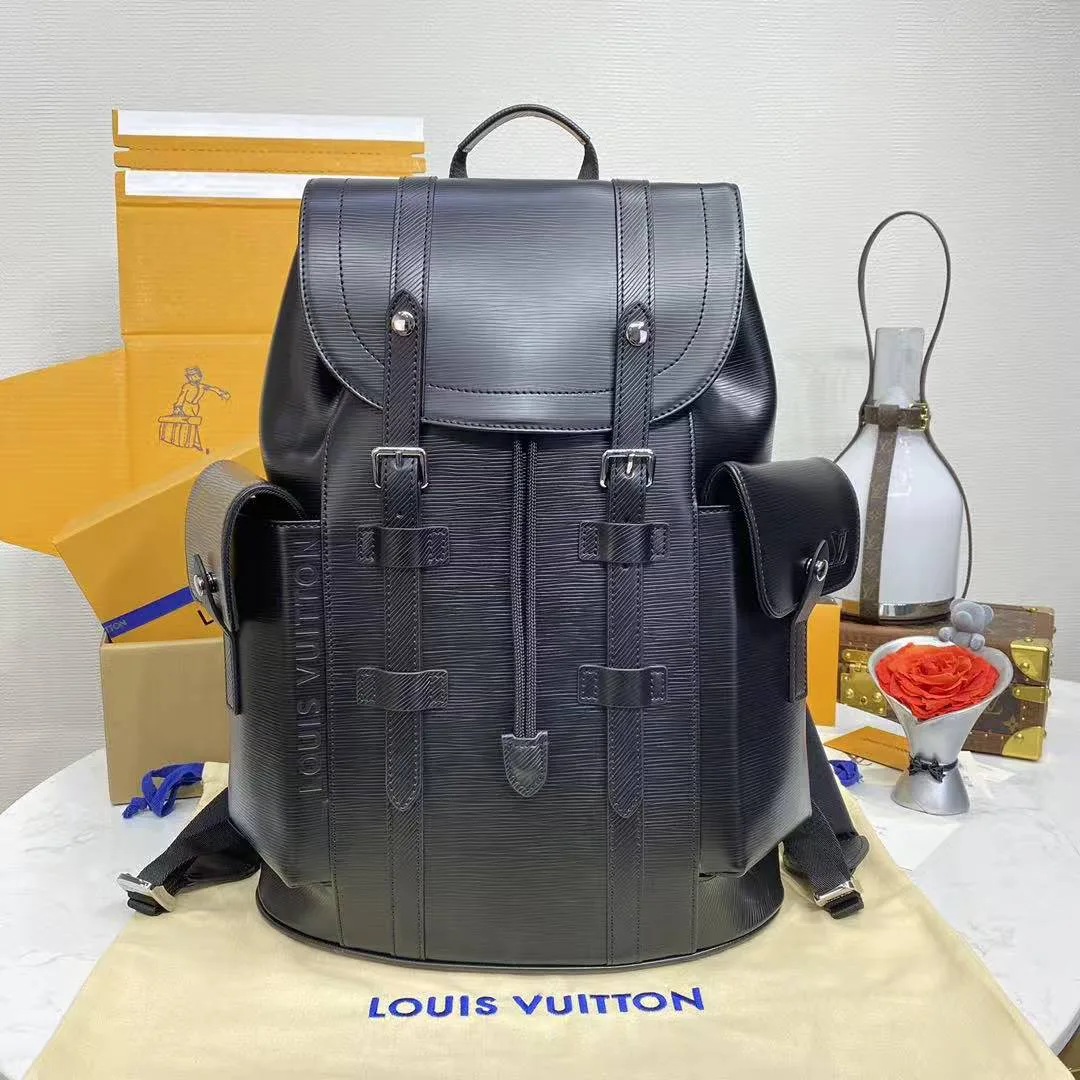
Shape comes first. A soft, slouchy bag against a structured suit jacket is a clash you can feel across the room. The suit is architecture, so your bag should have some architecture too. A classic briefcase with a firm frame, a slim leather portfolio, or a structured top-handle bag all read correctly with tailoring. What kills the look is the floppy messenger with the sagging flap or a backpack that bulges in the middle. If you must wear a backpack with a suit, it has to be leather, it has to be slim, and it has to sit flat against your back. I’ve seen a thin leather backpack look genuinely sharp with a navy suit. I’ve never seen a puffy nylon one look anything but wrong.
Leather quality matters more here than anywhere else in your wardrobe. Under harsh office light, cheap corrected leather with that plastic shine screams at your jacket. Look for full-grain or top-grain leather with a matte finish. It softens as you carry it, and it picks up the texture of your suit instead of fighting it. This is also where I tell guys to stop worrying about logos. A clean, unbranded leather bag with a suit says you own the room. A bag plastered with monograms says you’re trying to rent it.
The Leather Color Rule You Can’t Skip
Match your bag to your shoes and belt, not to your jacket. This is the rule I repeat more than any other. If you’re wearing black cap-toe oxfords and a black belt, your bag should be black. If you’re in chestnut brogues with a tan belt, the bag should be in that same warm brown family. Nobody is measuring this with a colorimeter, but the eye notices when the leather family is off. A black bag with brown shoes looks like a mistake. A brown bag with black shoes looks like two outfits fighting each other.
There’s one exception I’m happy to defend: a medium tan or cognac bag works with almost every suit color, as long as your shoes and belt are brown too. Navy suit, grey suit, charcoal suit, even a light summer suit in linen — a cognac briefcase carries all of them. Black is the other universal, but black only works if your whole shoe-and-belt story is black. Pick one family and commit to it for the day. That single decision will make you look more put together than 90% of the men in any meeting.
How You Carry It Matters More Than What It Is
Here’s the part everybody gets wrong. How you hold the bag is half the outfit. Carry a briefcase by the top handle in your left hand if you’re right-handed. Your right hand stays free for handshakes, doors, and the occasional coffee. Tucking the bag under your arm like a quarterback with a football looks aggressive and weird. Dangling it from your fingertips at the end of a swinging arm is worse — you look like a waiter carrying a tray.
Shoulder straps are where suits go to die. A strap across your chest drags across the jacket lapel, creases the shoulder pad, and by noon you’ve got a line pressed into the wool that won’t come out. If your bag has a strap, either remove it for suit days or tuck it neatly under the flap. And please, whatever you do, don’t wear the bag crossbody over a double-breasted jacket. That’s the single most uncomfortable-looking combination in menswear, and I have the photos to prove it.
One more thing: don’t overstuff. A suit is about clean lines, and a bag that’s bursting at the seams ruins the line before you even leave the house. Carry only what the meeting needs — laptop, charger, a folder, a pen. Everything else stays at the office or in the car. The discipline of carrying less makes the whole silhouette sharper.
Real Scenarios, Real Answers
Let me give you concrete situations, because abstract advice is useless. Client meeting in a navy suit, brown oxfords, tan belt: carry a cognac or chestnut briefcase and you’re flawless. Wedding in a charcoal suit with black shoes: black structured bag, no strap, top handle only. Job interview in a grey suit: a slim leather portfolio beats a bulky briefcase every time — it says you’re organized, not that you’re hauling your whole life around. Boardroom presentation: keep the bag closed on the floor beside your chair, not open on the table like a surgeon’s kit. And if you commute by train with a suit, buy the bag with a back sleeve that slides over your rolling luggage handle. That one feature has saved more jacket shoulders than any tailoring advice I know.
Men’s leather goods have quietly become one of the fastest-moving parts of the broader market, and the suit-and-bag combination is exactly where the demand is coming from. Guys want to look the part in the office, and they’re finally realizing the bag is part of the uniform. The trick is keeping it simple: structured shape, matte leather, one color family, carried like you mean it.
If you’re looking for a bag that actually works with your suits instead of fighting them, I’d start with the men’s leather collection at Business of Fashion for market context, then check out what’s on offer at The Prime Bags men’s section — the structured briefcases and portfolios there are exactly what I’d put on a suit, and the leather holds up to daily wear in a way cheap options never will.
Related reading: How Men Should Style Bags: Matching Your Bag to Work & Casual Looks · The Complete 101 Buying Guide · Men’s Bag Color Matching: The Leather Family Rule Explained · Men’s Travel Bag Styling: One Bag, Every Setting
For the industry perspective, Vogue publishes regular updates on this space.