
Men Bag Styling
Men’s Bag with Jeans and a T-Shirt: Casual Done Right
Aug
Jeans and a t-shirt is the most-worn outfit in the world, which means it’s also the most-worn canvas for bag mistakes. I’ve sold leather bags to men for years, and the funny thing is, the casual outfit is where guys get the most conservative. They’ll wear a bold bag with a suit, but with jeans and a tee, suddenly everything is black and everything is safe. That’s backwards. The casual outfit is exactly where you can have fun with a bag, because the stakes are low and the bag carries the whole look. Here’s how I tell my customers to do it, with actual examples you can copy tonight.
The Casual Leather Rule
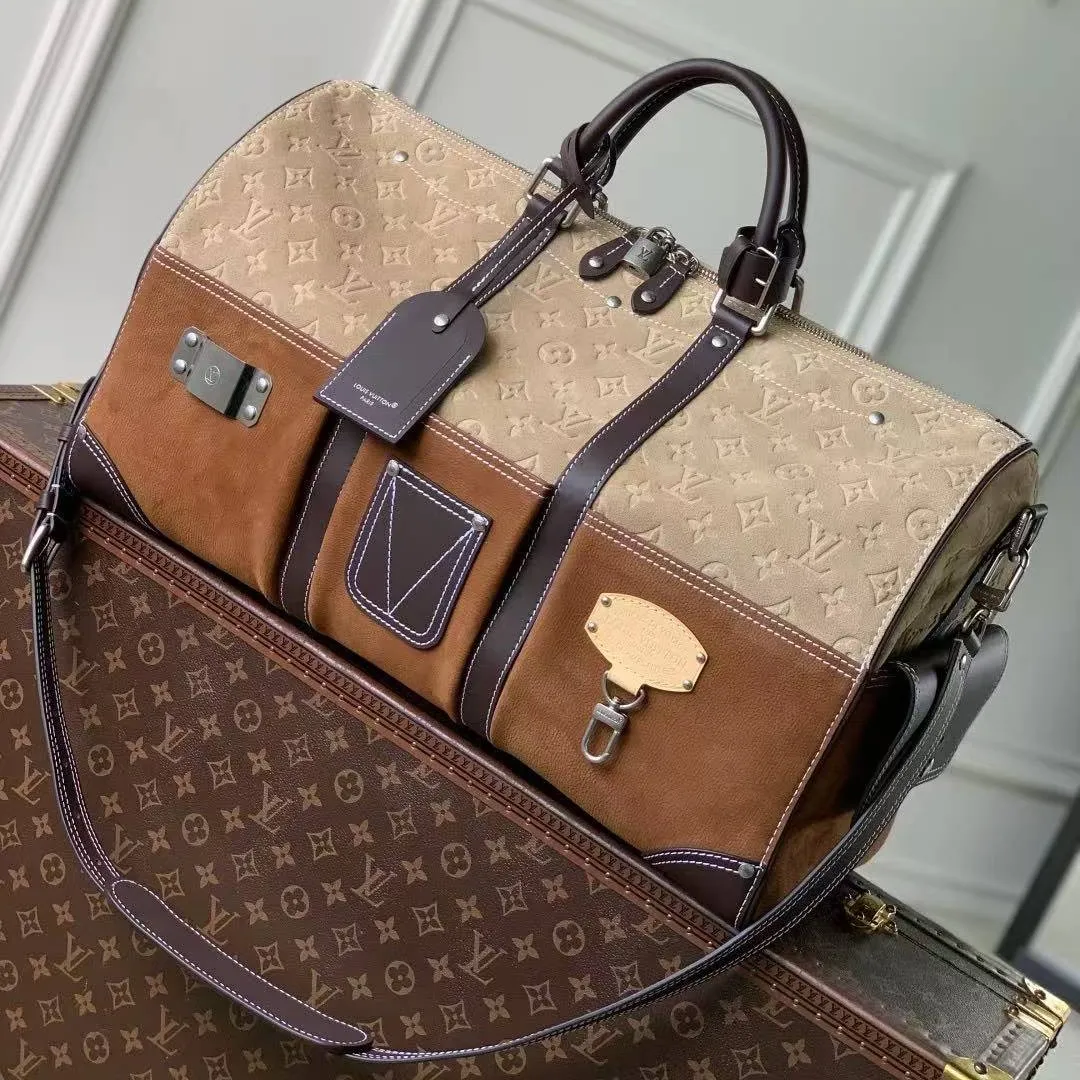
First, the one rule that governs all casual styling: when the rest of the outfit is plain, the bag can be the statement. A white tee, dark jeans, and a tan leather crossbody is a complete outfit in a way that a white tee and dark jeans alone never is. The bag adds the color, the texture, and the structure. So don’t play it safe with another black bag against a black outfit — that’s the “I own exactly one bag” look, and it reads as no effort at all. Give the outfit one element with warmth: cognac, chestnut, or tan leather does more for casual looks than any other color, and I’ll die on that hill.
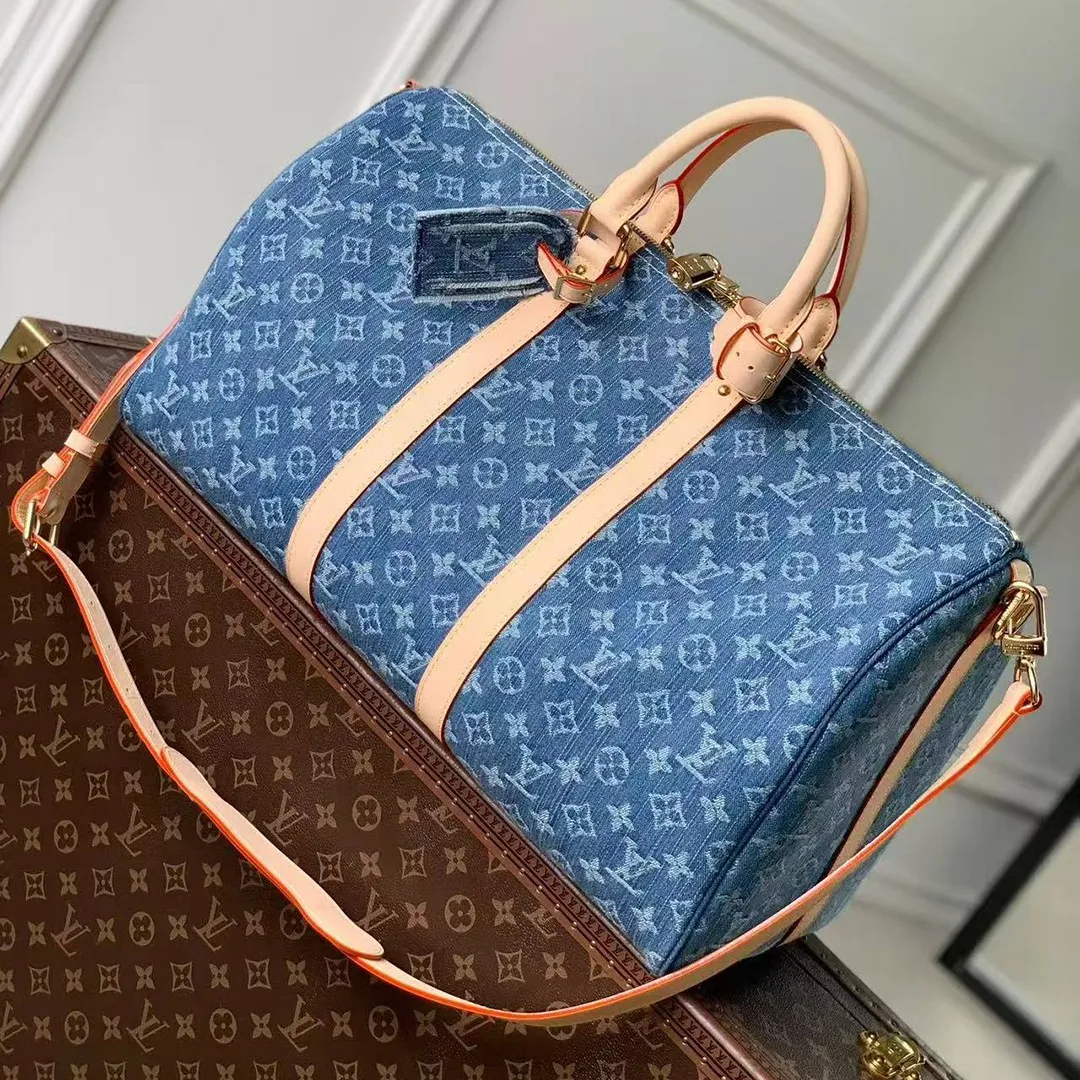
The second part of the rule is about the jeans. The wash of your denim decides which bag colors work. Dark indigo or black denim: anything works — tan pops, brown warms it up, black disappears into it. Light or faded denim: keep the bag in the mid-to-dark range, because pale denim plus a pale bag washes the whole outfit out. Raw denim with a tan bag is the classic combination for a reason — the orange undertones in the denim and the warmth in the leather are the same family, and they lock together like they were designed that way.
Three Outfits That Work, Step by Step
Let me give you three complete formulas, because examples beat theory. Outfit one: white t-shirt, raw or dark indigo jeans, white sneakers, and a cognac leather crossbody or sling. This is the single most reliable casual look in menswear. The bag provides the only warm note in the outfit, and that contrast is what makes people think you dressed on purpose. Outfit two: black tee, black jeans, black leather backpack carried by the top handle, and white sneakers or black boots. Monochrome with one texture change — the matte leather against the cotton and denim. The bag isn’t a color, it’s a material, and that’s enough. Outfit three: a crewneck sweatshirt in a muted color like olive or heather grey, light jeans, and a dark brown sling. The sling breaks up the torso, which is exactly what a sweatshirt needs, and the brown keeps the outfit grounded when the denim is pale.
Notice what all three have in common: the bag matches the shoes or the metal of the outfit, never the shirt. Tees change every day. Shoes and denim are the constants, so the bag should talk to the constants. And in every case, the bag is doing a specific job — adding warmth, adding texture, or adding structure. If you can’t name the job your bag is doing, it’s not doing one.
What Breaks the Look
Now the don’ts, and I say these from the sales floor with love. Don’t wear a formal bag with casual clothes and call it contrast. A black structured briefcase with jeans and a tee doesn’t look edgy, it looks like you’re carrying your layoff paperwork home. If the bag is formal, the outfit has to meet it halfway — swap the tee for a collared shirt or a knit, or the pairing falls apart. Don’t wear a huge bag with a minimal outfit. A 45-liter backpack with a white tee and skinny jeans is a silhouette disaster; the proportions fight each other. Small outfit, small bag. That’s the ratio.
Don’t overthink the matchy-matchy. Your bag does not need to match your sneakers exactly — that’s costume territory, and I’ve watched grown men buy a bag in the exact shade of their shoes and then never wear them together because it looked too much. Same family, different shade, always. And don’t wear two casual bags at once, no matter how cute the mini version is. One bag. The casual outfit is minimalism’s home turf, and the bag is the one allowed indulgence.
Seasonal Twists on the Same Formula
The jeans-and-tee formula changes with the weather, and it’s worth planning for. In summer, the tee gets lighter and the bag can get lighter too — a tan or natural leather with white denim and espadrilles is the warm-weather version, and it photographs beautifully. In winter, swap the tee for a heavyweight sweatshirt or a knit polo, add a chore jacket or a wool overcoat, and the bag darkens with the palette: chestnut and dark brown carry the cold months better than tan. In spring and fall, the in-between shades — tobacco, olive-tinted browns — bridge the light and dark sides of your wardrobe. The jeans never change. The tee never changes much. The bag is the seasonal dial, and that’s the entire trick.
Here’s my last thought, and it’s the one I repeat most: with jeans and a tee, the bag should look like it cost more than the rest of the outfit combined. That’s not a money thing, it’s a quality thing. A well-made leather bag against cheap basics upgrades everything around it. A cheap bag against good basics drags everything down. In casual outfits, the bag isn’t an accessory — it’s the anchor. Spend there, save everywhere else, and the whole look lands.
If you want to see the casual formula in real leather, the men’s section at The Prime Bags has crossbodies, slings, and backpacks in exactly the warm tones I keep recommending — and for a sense of where casual leather goods sit in the wider market, Retail Dive tracks the retail side of the trend with real numbers.
Related reading: How Men Should Style Bags: Matching Your Bag to Work & Casual Looks · The Complete 101 Buying Guide · Men’s Bag Color Matching: The Leather Family Rule Explained · Men’s Travel Bag Styling: One Bag, Every Setting
For the industry perspective, Vogue publishes regular updates on this space.