
Shoe Styling
Seasonal Shoe Styling: What to Wear Each Season
Aug
Here’s a confession from someone who sells shoes for a living: most shoe purchases are seasonal mistakes. People buy sandals in March and boots in September, and by the time the weather actually calls for them, the moment has passed — or worse, they wear the wrong shoe for the season and look off without knowing why. Seasonal styling isn’t about following trends. It’s about matching the shoe’s weight, material, and color to what the weather and the wardrobe are doing. Let me walk you through the year the way I walk customers through it.
Spring: The Transition Season
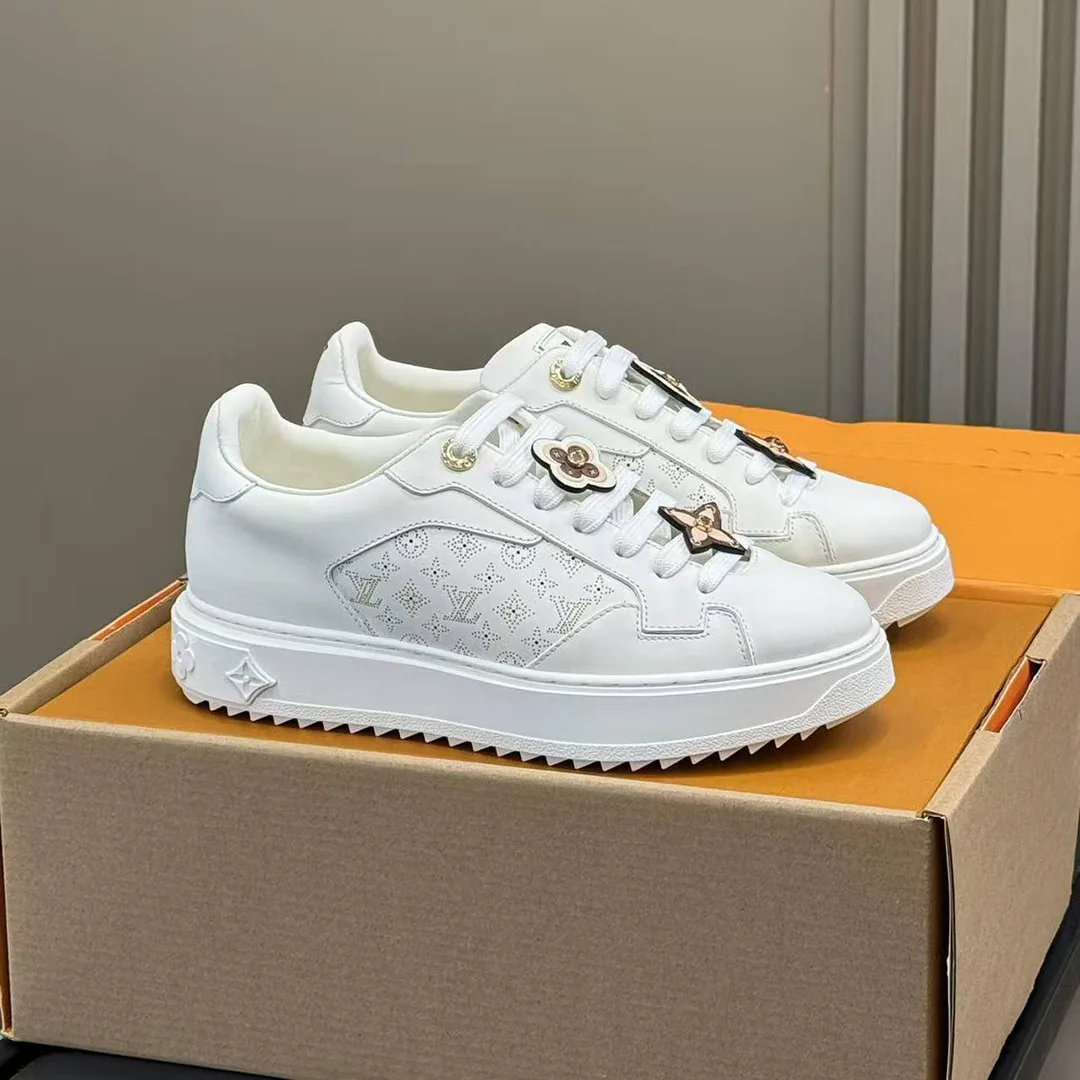
Spring is the season of bad shoe decisions, because the weather lies. Warm sun, cold wind, sudden rain. The shoe that works is the one that splits the difference: loafers, white sneakers, light leather derbies, and suede in protected doses. This is the season to bring the light colors out — tan, white, light brown — because the wardrobe is lightening up too, and dark heavy shoes will fight every pastel and light layer you own.
The spring rule I hammer into everyone: transitional shoes over seasonal extremes. Skip the sandals until the ground actually warms, and skip the heavy boots until the leaves turn. A good pair of loafers or clean white sneakers carries March through May without a single wrong-footed day. And if you’re buying one pair for the whole spring season, make it the white sneaker — it’s the only shoe that survives every spring situation, from the first warm day to the last cold one, and it pairs with every spring color you own.
Summer: Barefoot Energy
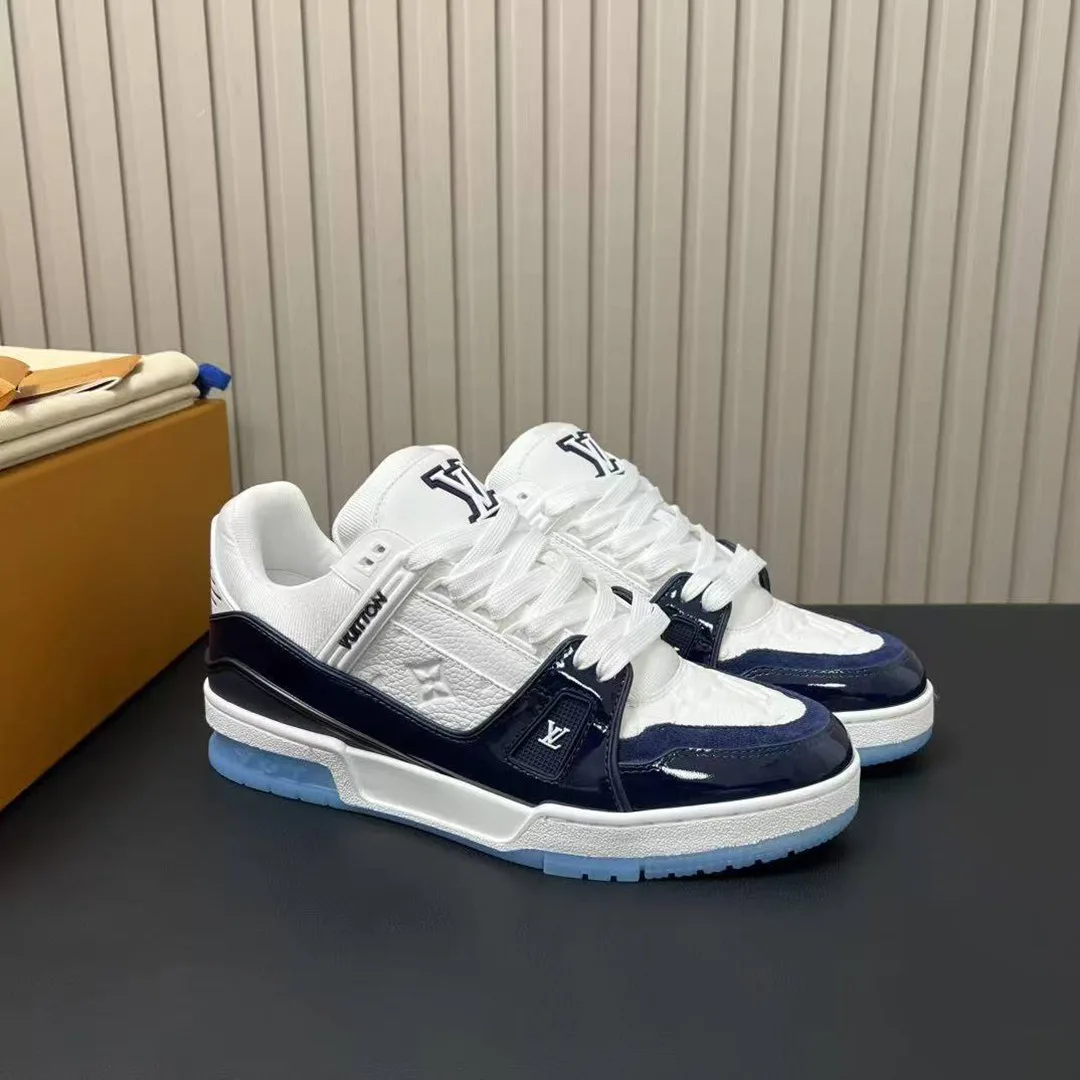
Summer is the only season where the shoe disappears from the equation and that’s the point. Sandals, slides, espadrilles, canvas sneakers, breathable leather loafers worn without socks — the shoe should feel like an afterthought, because the outfit is carrying the season. White and light neutrals dominate, and that’s correct: dark leather in July reads like you’re wearing a coat indoors.
Two summer rules. One: match the shoe to the activity, not the outfit — walking shoes for walking, beach shoes for the beach, and dress sandals for evenings; the all-purpose summer shoe is a myth. Two: if you wear sneakers in summer, they should be light and clean — heavy technical trainers with summer linens is the fastest way to look like you’re commuting to a different climate. And summer is when your shoes suffer most — sweat, sand, sun. Wipe them down and let them dry properly, or the September reveal will be sad.
Autumn: Boot Season
Autumn is the best shoe season of the year, and I’ll fight anyone on this. The wardrobe gains weight — knits, denim, wool — and the shoes should gain weight with it. Chelsea boots, ankle boots, derbies, loafers in richer browns and oxbloods: this is the season of the boot, and the boot’s rule is the weight rule. Match the shoe’s visual weight to the outfit’s: chunky boots with chunky knits and wide trousers, slim chelseas with tailored layers. Get that right and autumn outfits assemble themselves.
Color deepens in autumn, and your shoes should follow: tan and light brown step aside for dark brown, burgundy, and black. It’s also the season to start thinking about wet weather — a water-resistant boot is worth the few extra dollars now, because November will test every shoe you own.
Winter: Weather First, Style Second
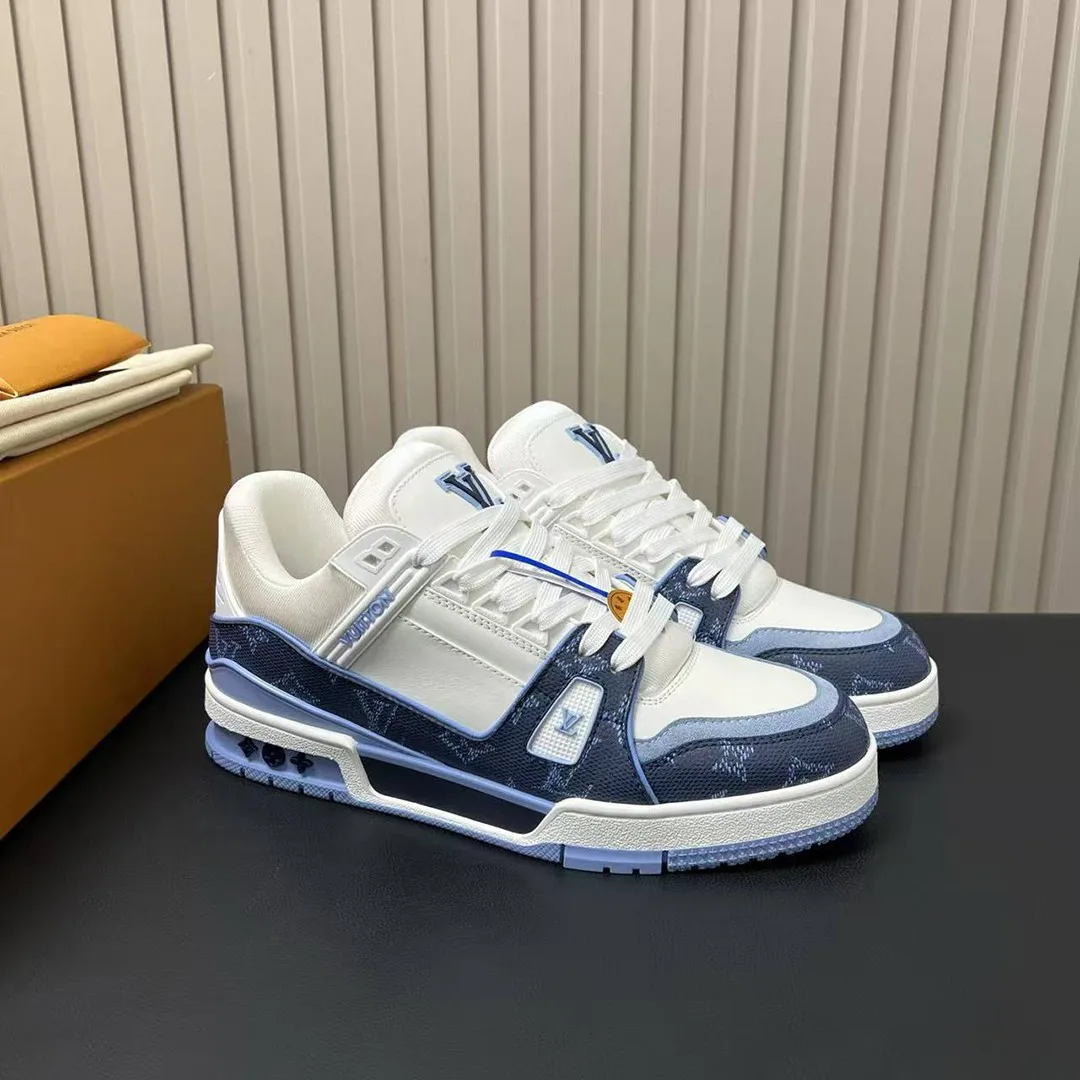
Winter flips the priority order, and this is the lesson that saves both feet and shoes: weather wins. In snow, ice, and salt, the styling rule is waterproof, insulated, and grippy — a lug sole and a lined boot will carry you through January, and nothing else will. Style still matters, but it works within the weather’s budget: a good winter boot looks good, it just also keeps you alive.
For the indoors — offices, dinners, events — this is when dress shoes and polished leather finally get to shine, because the outdoor boot does the dirty work. Carry the indoor shoe or keep a pair at work, and you get both worlds: safe on the street, sharp at the table. And winter is hard on leather: salt stains, wet snow, drying heat. Wipe boots down when you come in, condition once a month, and they’ll still look right when spring rolls around. The Fashion Law has covered the wave of counterfeit seasonal footwear that hits every holiday season — fake boots and holiday scam listings spike every year, so buy from real retailers and check what you’re actually getting.
The seasonal system, in one line: light shoes for light seasons, heavy shoes for heavy seasons, weather first in winter, and the neutrals — white, black, brown, tan — as the constant thread all year. Follow that and you’ll never stand in the doorway wondering what to put on again.
Building your seasonal rotation? ThePrimeBags has a shoe collection for every season of the year — shop seasonal shoes here.
Related reading: How to Style Shoes: Matching Footwear to Outfits Like a Pro · The Complete 101 Buying Guide · White Sneakers: How to Style the Most Versatile Shoe You Own · What Shoes to Wear with Dresses: A Complete Guide
For the industry perspective, Vogue publishes regular updates on this space.