
Shoe Styling
Matching Shoes to Trousers: Color and Length Rules
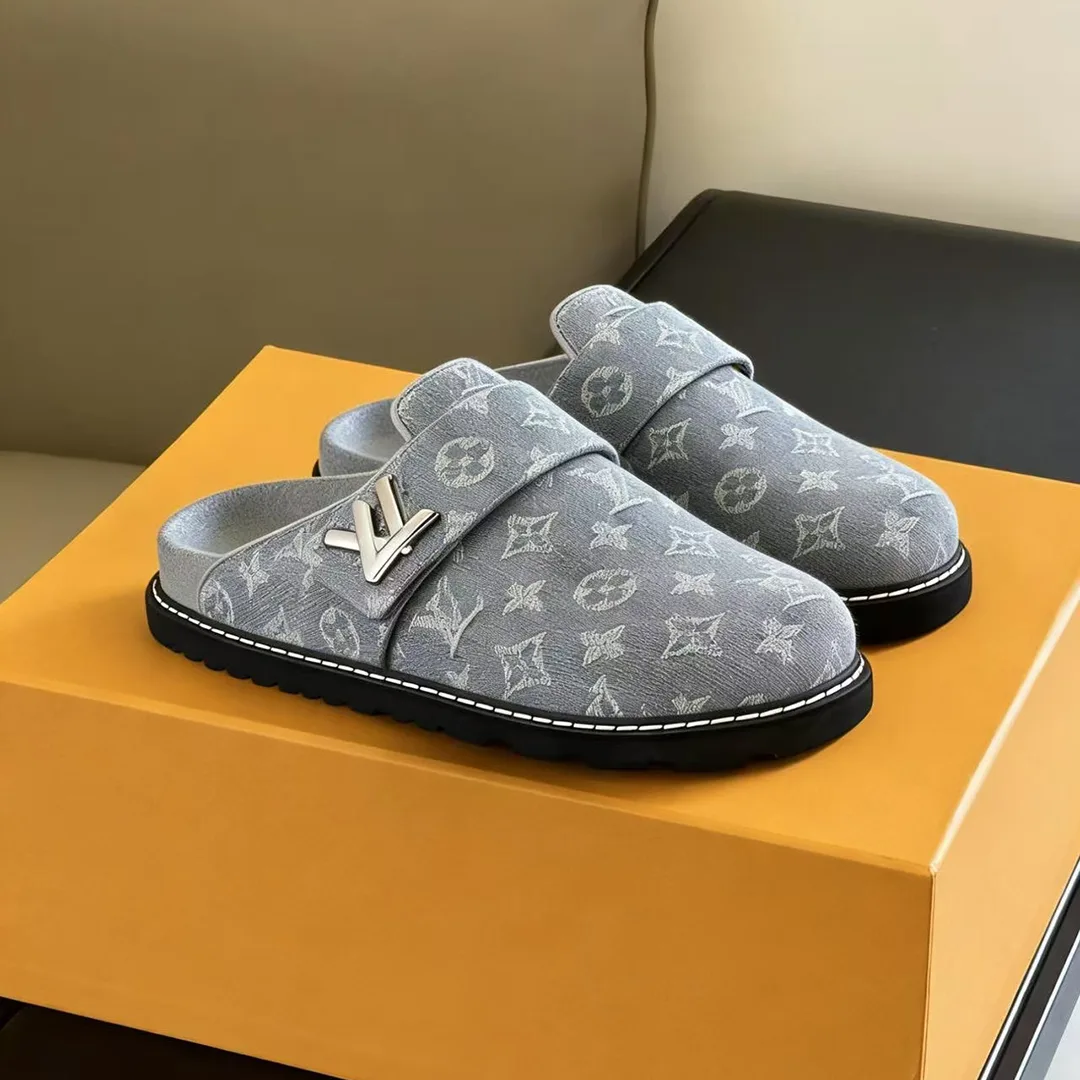
Aug
Most people dress from the waist up and hope the ankles work out. I’ve spent years watching that strategy fail in real time. The truth is the trouser-to-shoe connection is the most visible seam in any outfit — it’s where the eye lands when you walk, and it decides whether you look assembled or accidental. Matching them isn’t hard. It’s just rarely taught, so let me teach it.
The Color System That Never Fails
Here’s the entire color system in three rules. Rule one: dark trousers with dark shoes, light trousers with light shoes — this is the default that always looks correct. Rule two: when you want contrast, make it deliberate — navy trousers with brown shoes, grey trousers with burgundy shoes — and keep the contrast in the same tonal family, warm with warm, cool with cool. Rule three: when in doubt, match the shoe to the darkest color in the trouser. That rule alone will rescue more outfits than any other advice I give.
The brown family deserves special attention because it’s where people panic. Tan, cognac, and dark brown are not interchangeable: tan shoes want light and mid-tone trousers, cognac is the flexible middle child, and dark brown behaves like a neutral that pairs with everything from grey flannel to olive. Black shoes are simpler — they pair with black, charcoal, navy, and grey, and they should stay away from light and pastel trousers unless the outfit is deliberately monochrome.
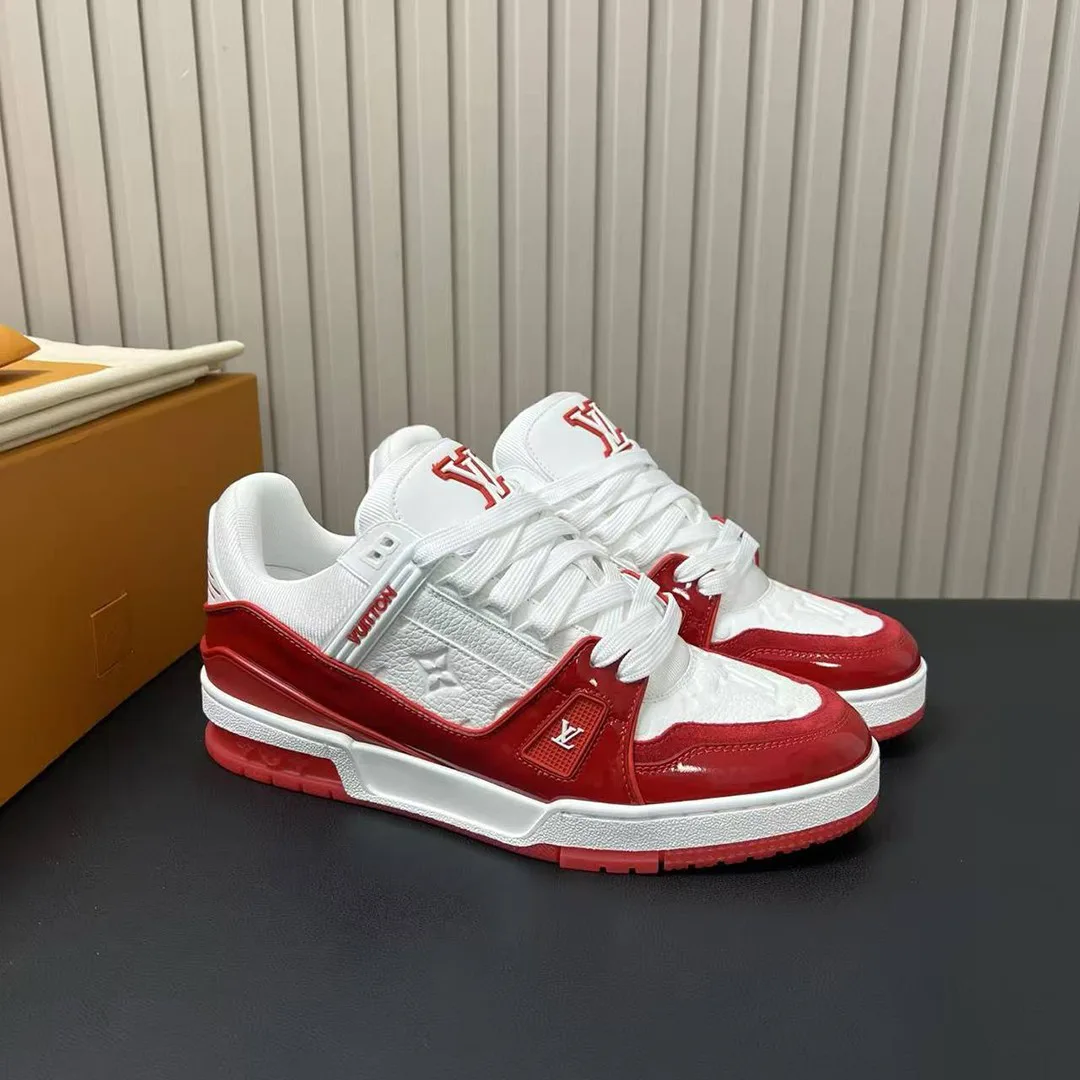
The Hem: Where Trouser Meets Shoe
The color is half the game; the length is the other half, and it’s the half everyone gets wrong. The break — how the trouser falls onto the shoe — has three acceptable settings. A full break: the trouser rests on the shoe with a small fold, classic and safe. A medium break: a slight touch, modern and clean. No break: the hem hovers just above the shoe, sharp and contemporary, best with slim trousers and slim shoes. Pick one and commit. The failures are the extremes: puddles of fabric swallowing the shoe, or floods that expose an inch of ankle like the trousers shrank in the wash.
The trouser width dictates the shoe, and this is a rule most people never hear: wide trousers want substantial shoes — chunky loafers, work boots, derbies with presence. Slim trousers want slim shoes — chelseas, minimalist sneakers, sleek oxfords. A wide leg over a dainty shoe looks like a mistake. A slim leg over a tank of a boot looks like a costume. Match the volumes and the outfit reads as intentional from across the room.
Trousers by Type: Chinos, Wool, Denim, Linen
Each trouser fabric has its natural partners, and knowing them saves you the guessing. Chinos: the most forgiving trouser in existence — loafers, white sneakers, suede derbies, chelseas, all work; the chino’s casualness accepts almost anything except overly formal shoes. Wool trousers: dress shoes territory — oxfords, derbies, loafers, chelseas in winter; sneakers only if the whole outfit is deliberately casual. Denim: boots and sneakers are the home team, but dark denim with loafers or clean leather shoes is the underrated sharp-casual move. Linen: light, breathable shoes — loafers without socks, espadrilles, minimalist sneakers; heavy boots and dark oxfords fight the fabric’s entire personality.
My personal rule for summer: if the trousers are light, the shoes are light, and the socks are gone. It’s the difference between looking seasonal and looking lost.
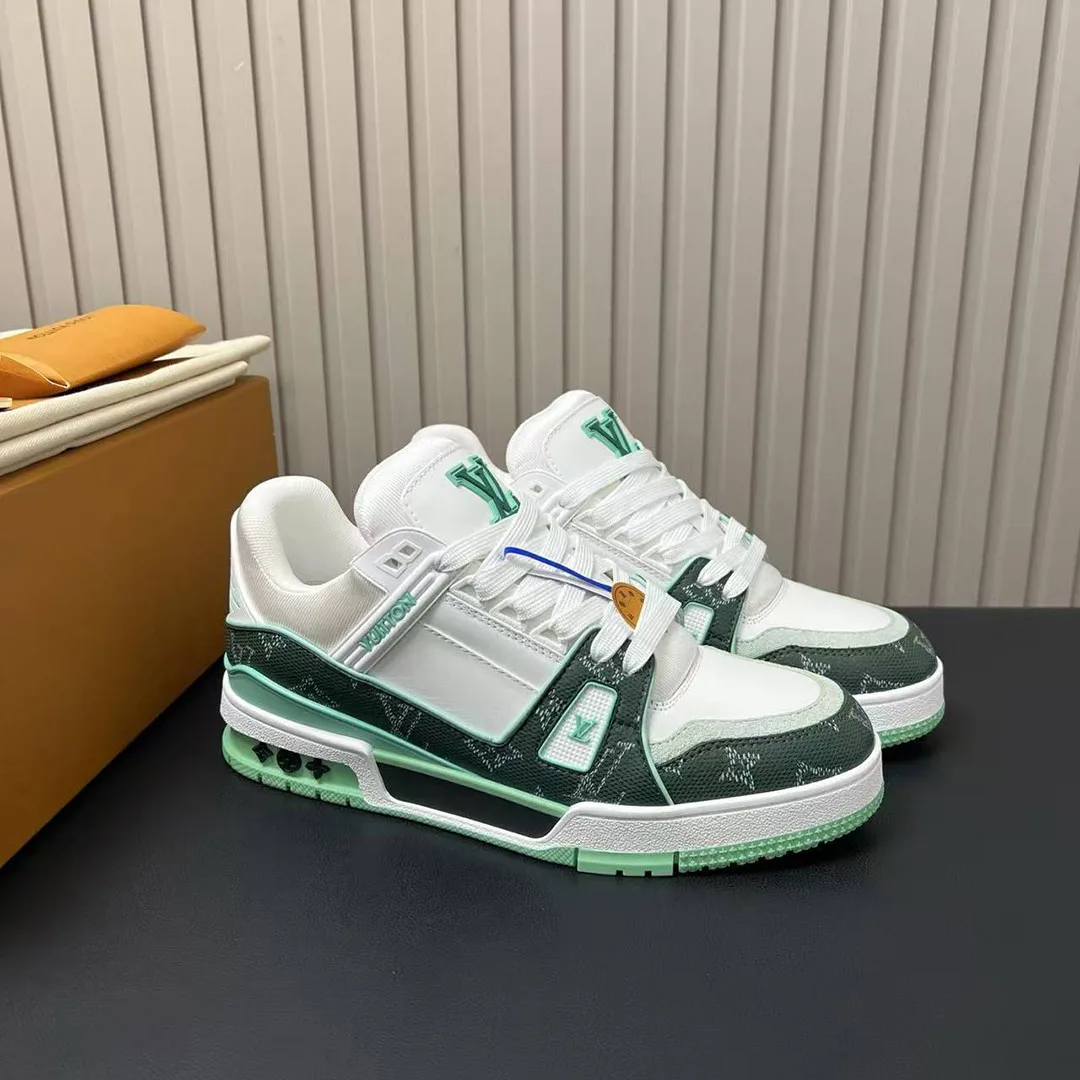
When to Break the Rules on Purpose
Rules are for people who haven’t learned the underlying logic yet. Once you know why the rules exist, you can break them with intent. The monochrome outfit is the classic exception: black trousers with black shoes isn’t matching, it’s a statement, and it works when the rest of the outfit commits to the same lane. The sneaker-with-tailoring move breaks every color rule at once, and it works precisely because the casual shoe declares “I’m here on purpose.”
The test for any rule break: would it look like a mistake to someone who knows nothing about fashion? If yes, don’t. If it reads intentional — if the contrast is clean, the proportions are right, and the rest of the outfit backs it up — then it’s not a rule break, it’s a choice. WWD has written plenty about how color and proportion trends move through menswear retail, and the pattern is always the same: the outfits that get copied are the ones where the trousers and shoes look like they were designed together.
Match the tone, mind the break, pair the volumes, and know your fabrics. That’s the whole course, and it will upgrade every pair of trousers you own.
Need the shoes to complete the system? ThePrimeBags has a footwear collection built on exactly these rules — browse our shoes.
Related reading: How to Style Shoes: Matching Footwear to Outfits Like a Pro · The Complete 101 Buying Guide · White Sneakers: How to Style the Most Versatile Shoe You Own · What Shoes to Wear with Dresses: A Complete Guide
For the industry perspective, Vogue publishes regular updates on this space.