
Accessory Care
Conditioning Small Leather Goods: The Right Products
Sep
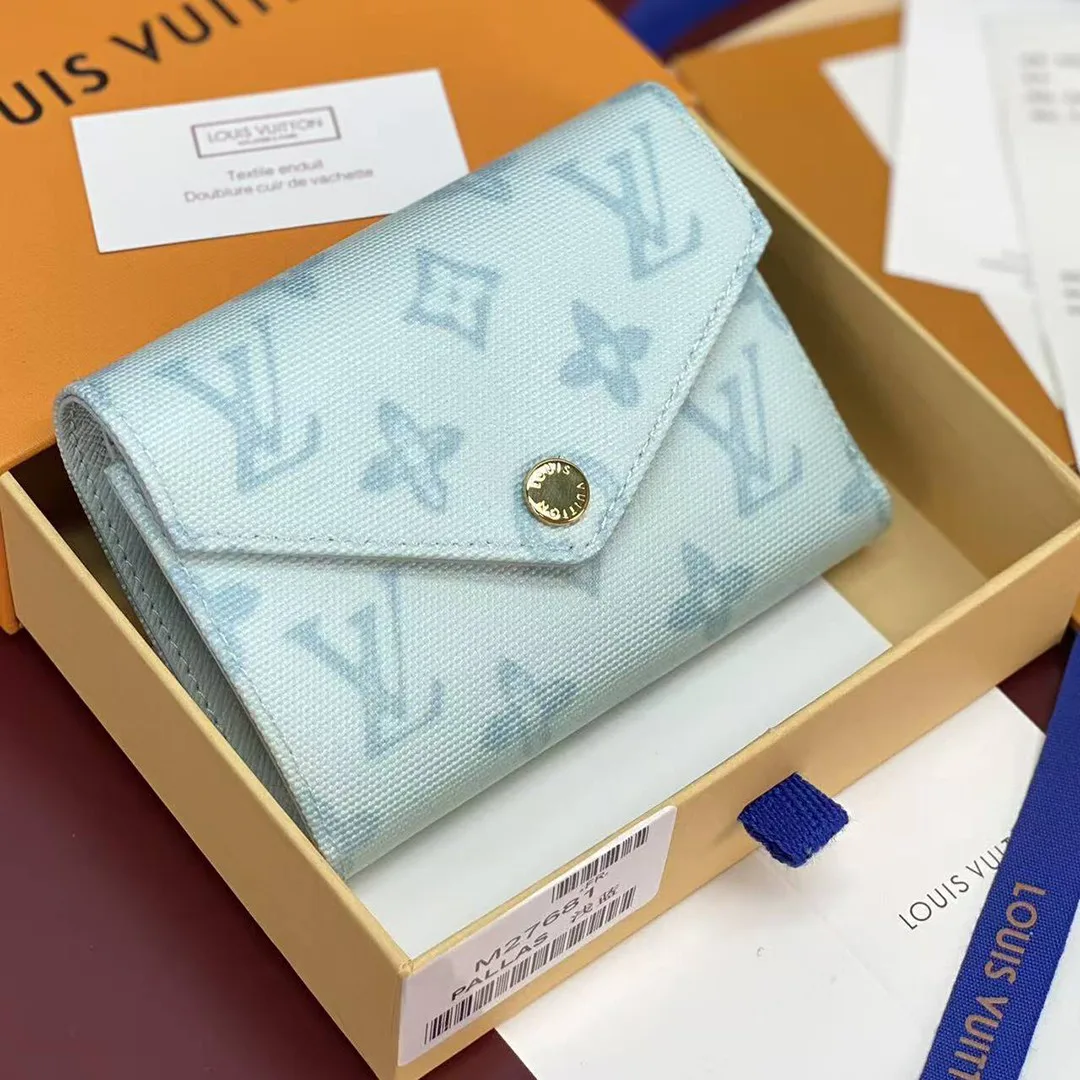
Small leather goods are the pieces people condition least and need it most. A wallet lives in your back pocket for eight hours a day, pressed against your body, absorbing heat and oil and friction, and most owners never condition it once in its entire life. Meanwhile the same person will happily spend an hour conditioning a bag they carry twice a month. I’ve been guilty of this myself, and it took a cracked card holder to make me rethink the whole routine. The good news: conditioning small goods takes two minutes per piece, and the products are cheap. Here’s what actually works, what’s a waste of money, and what will ruin your leather.
Why Small Goods Dry Out Faster Than Bags
Think about the physics of a wallet: it’s folded, pressed, sat on, and carried against skin. Every fold point gets flexed thousands of times a year, and flexing squeezes the natural oils out of the leather. Body heat accelerates the drying. So the same leather that lasts fifteen years as a rarely-worn bag might be bone dry in three years as a daily wallet. The first signs are subtle: the edges look lighter, the surface feels slightly rough instead of smooth, and tiny cracks appear along the fold lines. That’s the leather telling you it’s thirsty.
What to Look for in a Conditioner (and What to Avoid)
You don’t need a different conditioner for every item. One good all-purpose leather conditioner handles wallets, card holders, belts, key fobs, and watch straps. What should it contain? Look for beeswax, lanolin, or neatsfoot oil — traditional ingredients that soak in and feed the fibers. Products like Bick 4 and Lexol are the ones I see recommended by cobblers and saddle shops, and they’re mild enough for everyday leather.
Now the warnings, and these matter. Avoid mink oil if you care about color — it darkens leather noticeably. Avoid coconut oil and olive oil from the kitchen, which go rancid inside the leather and smell terrible after a few months. Avoid “conditioners” that are mostly silicone: they sit on the surface, feel greasy, and do nothing for the fibers underneath. And never, ever use saddle soap as a conditioner. Saddle soap cleans, and it dries leather out over time if used alone. Clean with it, then condition with something else.
The Application Routine for Wallets, Card Holders and Belts
Here’s my exact routine. Clean the item lightly with a dry cloth to remove dust and skin oils. Put a small amount of conditioner — the size of a grain of rice for a card holder, a pea for a wallet — on your fingertip and rub it between your hands to warm it. Work it into the leather in small circles, paying special attention to the fold lines, edges, and corners, which dry out first. Don’t drench the piece; you want it to feel slightly supple, not greasy.
Let it absorb for ten to fifteen minutes, then buff with a clean cloth. Do the inside surfaces too, especially on a wallet, because the inside is what touches your cards and cash all day. And here’s a pro tip: after conditioning, let the wallet dry completely before putting cards back in, otherwise the conditioner transfers onto the cards and makes them sticky.
How Often Each Item Needs It
Frequency is where most people get it wrong, in both directions. My rule of thumb: anything carried daily gets conditioned every two to three months. That covers a daily wallet, a work badge holder, a key fob. Items used weekly — a weekend belt, a travel card holder — get conditioned twice a year. Items in seasonal rotation get conditioned when they come out of storage and when they go back in.
Weather changes the schedule. Winter is brutal on leather because indoor heating dries the air out; I condition my daily pieces monthly from November to February. Summer adds sweat and humidity, which is different damage — more staining, less cracking — so wipe pieces down more often and condition on the normal schedule.
The Mistakes I See All the Time
Over-conditioning is the big one. A wallet that’s conditioned weekly becomes soft and floppy, the leather loses its structure, and the card slots stretch out. Conditioner is food, not medicine; too much is as bad as none. The second mistake is conditioning dirty leather: you’re sealing the grime in. Always wipe first, condition second. The third is ignoring suede — suede is leather, but it needs a suede brush and protector spray, not a cream conditioner that will leave dark stains. And the fourth is testing on the visible surface. Test any new product on the inside of the item first, wait a day, and check for darkening before you commit.
Vogue Business has written a lot about the craftsmanship conversation in luxury leather goods, and the through-line is always the same: the best materials in the world still need maintenance. For more on that conversation, Vogue Business is worth reading. Conditioning is that maintenance. Two minutes every couple of months, one decent conditioner, and your wallet will outlive your phone by a decade.
Stocked up on conditioner but missing the leather itself? Our accessory collection has wallets, card holders, and belts made from full-grain leather that takes conditioning beautifully.
Related reading: Accessory Care: Keeping Belts, Scarves, Sunglasses & Jewelry Like New · The Complete 101 Buying Guide · Silk Scarf Care: Washing, Ironing and Storage · How to Clean a Leather Belt (and Keep It From Cracking)
Industry data and professional guidance from The Vision Council support this view.