
Gift Care
How to Teach Someone Leather Care Without Being Annoying
Sep
My mother ruined a beautiful leather handbag in nine months, and the worst part is, I had explained leather care to her twice. Twice. She nodded both times, said “got it,” and then threw the bag on the passenger seat of her car every morning, where the sun cooked it through the windshield. When I brought it up a third time, she snapped at me: “It is a bag, not a baby.” She was right about my delivery, even if she was wrong about the bag. I had been lecturing, and lectures never teach anyone anything.
That fight taught me the real skill in leather gifting: teaching care without being annoying. This guide is what I learned. How to bring it up, how to demonstrate it, how to build one habit at a time, and how to know when to shut up and let the leather live its life.
Why Lectures Fail
Here is the thing nobody tells you about care instructions: they feel like criticism. When you tell someone “you need to condition this monthly,” part of their brain hears “you are the kind of person who breaks things.” Nobody responds well to that, especially not from a gift giver, because the gift just made them feel good and now you are making them feel judged. The lecture fails before the first sentence lands.
The second reason lectures fail is simpler: people forget. I can tell you right now what I had for lunch three Tuesdays ago, and you cannot remember what I said ten minutes after we talk. Instructions delivered verbally evaporate. That is why the care card exists, so the knowledge lives on paper, not in the conversation. Teach with the card, not with your voice.
Demonstrate, Do Not Dictate
The method that actually works is the one I stole from cooking shows: show the move, then hand over the tool. When you give the gift in person, take out the cloth and the conditioner, and do the first conditioning pass right there in front of them. Narrate it in two sentences: “Thin coat, let it sit, buff it off. That is the whole ritual.” Then hand them the cloth and let them do the buffing. People remember what their hands did. They forget what their ears heard.
I have done this with dozens of gifts now, and the pattern is always the same. The person who buffs their own gift once, in the moment, becomes the person who conditions it monthly. The person who just watched you do it… fifty-fifty at best. Participation is the teacher.
One Habit at a Time
Here is where I used to go wrong: I would teach the whole routine at once. Wipe weekly, condition monthly, store stuffed, avoid sunlight, keep out of plastic, and the recipient would remember none of it. Brains do not install five habits at once. They install one. So pick the single highest-value habit for the piece and teach only that.
For a bag, the habit is the weekly wipe, because dust is the quiet killer. For a wallet, the habit is out of the back pocket. For shoes, the habit is shoe trees. For suede, the habit is the protective spray before first wear. One habit, repeated until it is automatic, then add the next one months later, if you ever need to. Most pieces do fine with one habit plus the card.
The Right Moment to Say Something
Timing is everything, and the worst timing is the moment you see a mistake. When you catch the gifted bag sitting in the sun or the wallet in the back pocket, your instinct is to say something right then. Do not. That is the moment they are most defensive and you are most annoyed, and nothing good has ever come from that combination. Wait for a neutral moment, ideally one where the leather looks good, and make it about the leather, not about them: “The color on that bag has deepened so nicely. A monthly condition will keep that going.”
Notice the framing. The compliment comes first, the care tip is attached to the compliment, and the word “you” never appears. “You need to condition it” gets a wall. “That patina is beautiful, and it keeps getting better with a monthly condition” gets a question. It is manipulative in the kindest possible way, and it works.
When to Let It Go
The hardest lesson, and I mean this sincerely: sometimes you let it go. If the recipient is genuinely not a care person, and you knew that when you bought the gift, then correcting them is just friction with no upside. The gift was chosen, the care card was included, you demonstrated the ritual once. After that, the leather is living its life. Some leather lives a rough, happy life and dies young. That is not your failure. That is the material.
And if you really cannot stand it, there is one more move: the six-month gift. “I saw this conditioner is on sale and thought of your bag” is not annoying. It is sweet, it is useful, and it re-teaches the habit without a single word of instruction. Refill the kit instead of repeating yourself, and let the leather do the talking.
Find a leather gift worth teaching about. Browse our leather goods collection.
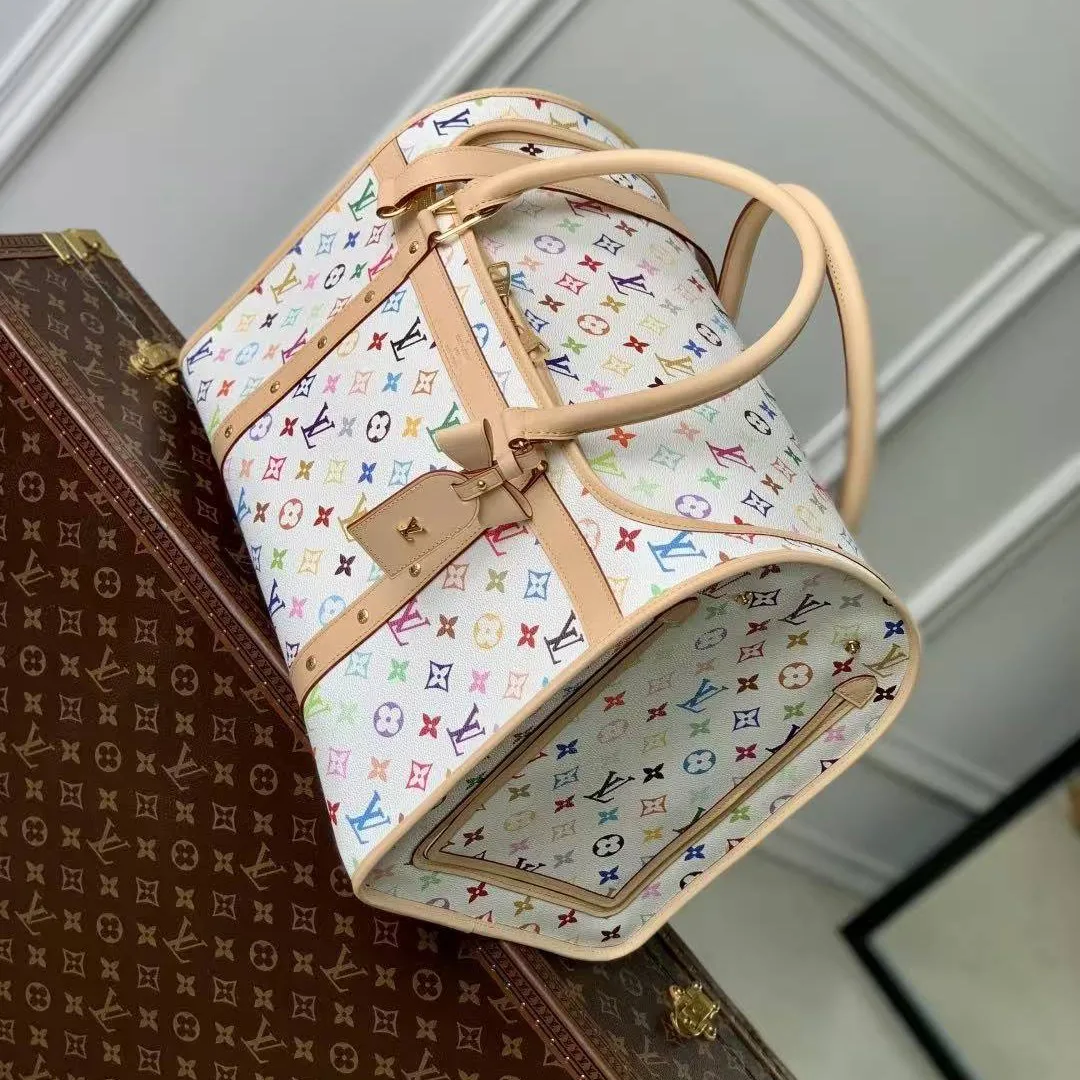

For broader coverage of how leather goods hold up over time, WWD frequently reports on the durability standards behind premium accessories.
Related reading: Gift Care: How to Help Someone Care for the Leather Gift You Gave · The Complete 101 Buying Guide · The Gift Follow-Up: Keeping the Care Going After the Giving · Build a Leather Gift Care Kit: What to Include
For the industry perspective, Leather Naturally publishes regular updates on this space.