
Accessory Trends
Scarf Trends: Silk, Printed and Everywhere
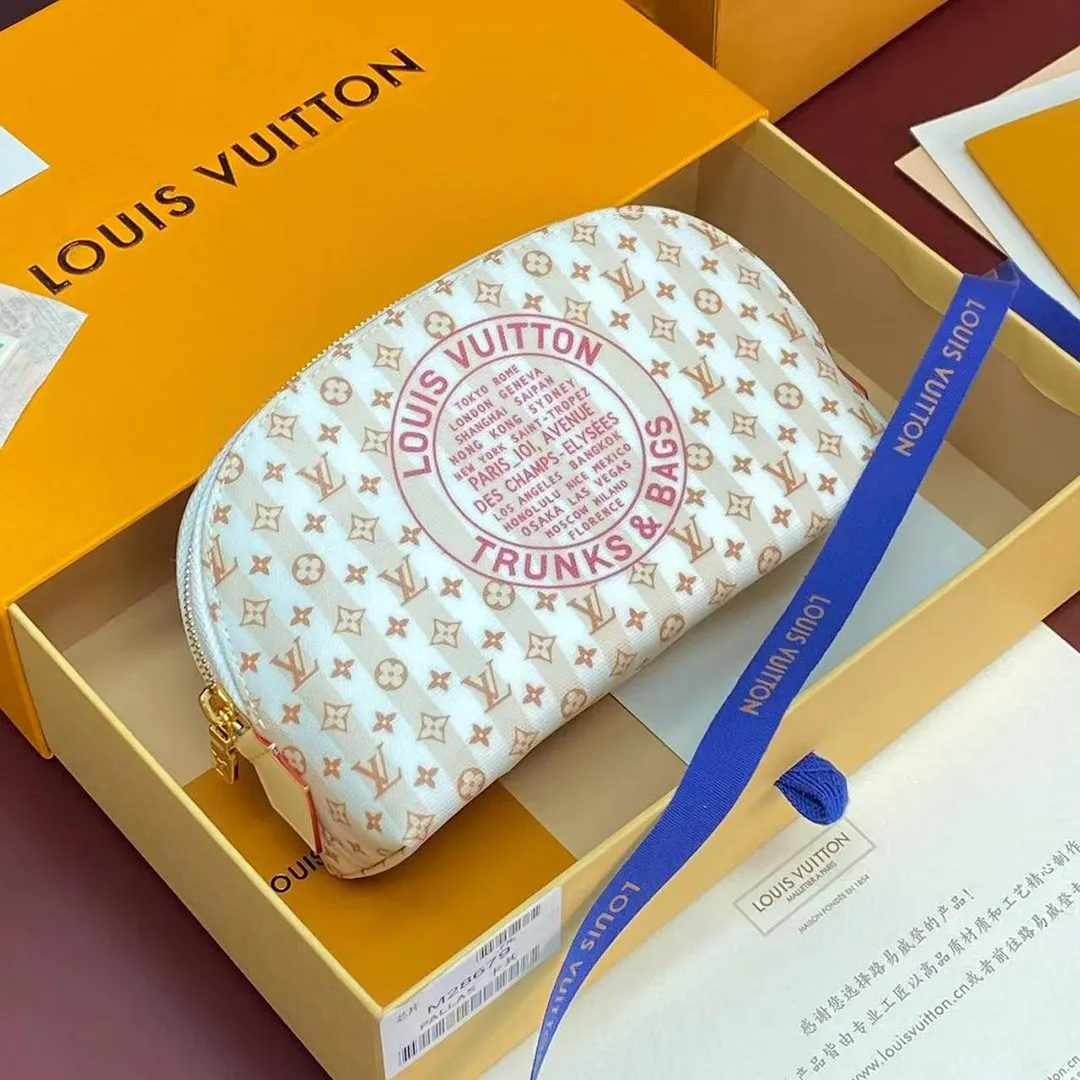
Sep
Scarves are the quiet takeover of the accessory world. They are around every neck, wrapped on every bag handle, tied in hair, knotted at the wrist. My grandmother’s drawer was full of them and I never understood why until I started selling accessories and realized the scarf is the most versatile object in fashion: it is a necklace, a hair tie, a bag charm, and a jacket all at once.
This is the scarf trend from a buyer’s perspective — what is driving it, which versions are worth real money, and where the fast-fashion versions waste yours.
The Silk Scarf Revival
The silk scarf revival is the heart of the trend. Printed squares and oblongs are back in a big way, worn knotted at the neck like a 50s travel poster, wrapped around a ponytail, or tied to a handbag. The appeal is the pattern: a silk scarf adds color and print without committing you to a printed outfit. Heritage houses kept their scarf archives alive for decades, and now a whole generation is rediscovering them.
The practical upside is real. A silk scarf folds flat, weighs nothing, survives being stuffed in a bag, and changes the look of an outfit instantly. I keep one in my work bag permanently, because it is the fastest fix for a plain outfit before a meeting.
If you are new to silk scarves, start with the square. It is the most forgiving shape: fold it in half into a triangle, roll it into a strip, and you can knot it at the neck, tie it in the hair, or wrap it around a bag handle. The oblong is trendier but trickier, because it demands a specific knot. The square is the entry point that teaches you the vocabulary.
Scarves as Bag Accessories
The bag-handle wrap might be my favorite part of this trend, because it is genuinely useful. Tying a twilly around a handbag handle protects the leather from hand oils and wear, adds a personal touch, and makes an inexpensive bag look considered. It is also the cheapest way to refresh a bag you already own — no new purchase required.
The styling rule that works: pick a scarf that shares one color with the bag. A burgundy twilly on a tan bag, or a navy print on black, looks intentional. A scarf with zero relationship to the bag looks like an accident. I tie mine in a simple knot, not a bow, because bows read gift-wrapped.
There is also a maintenance benefit I do not see mentioned anywhere. A scarf tied on a handle takes the daily rubbing that would otherwise wear the leather at the corners, which means the twilly is protecting an investment, not just decorating it. Customers ask why their handles wear unevenly, and half the time the answer is a missing twilly.
Winter Scarves: Oversized Knits and Cashmere
On the cold-weather side, oversized knitted scarves and cashmere wraps are the dominant shapes. The oversized scarf reads current and doubles as a blanket on planes, which is why it keeps selling. Cashmere is the material upgrade that matters: it is warmer per gram, softer, and lasts years if cared for, while a wool-blend version pills and itches.
My honest buying advice: buy the oversized knit cheap if you like the look, but put real money into one quality cashmere scarf. It is the piece you reach for every winter, and it is the one that gets compliments from people who know.
One thing I will say plainly about winter scarves: texture matters more than print. A chunky ribbed knit in a neutral reads current for years, while a loud checked pattern dates within two seasons. Buy the winter scarf for warmth and hand-feel, and let the silk squares carry the trend energy.
What to Skip and What to Spend On
Now the parts that waste money. Polyester scarves billed as silk — the fabric slides differently, prints fuzz, and they do not knot as cleanly. Fast-fashion printed squares in loud patterns date within a season. And pure-silk twill from a heritage house is lovely but priced for collectors, not for everyday wear.
What I would actually buy: a real-silk square in a classic print, a quality cashmere scarf for winter, and one fun printed piece for the trend. That trio covers every scarf moment without building a drawer of unworn fabric. Care matters too — hand wash silk or dry clean it, and fold rather than hang to avoid crease lines.
And a final honest note on price: the best scarf money I ever spent was not the most expensive. It was a mid-priced silk square in a classic geometric print that I have worn for five years and will wear for five more. The price that hurts is the one spent on a scarf you never tie.
Scarves are the perfect pairing for a new bag, and our accessory collection has both.
For coverage of how heritage accessories became trend pieces again, Vogue Business has excellent reporting on the category.
How to Wear the Scarf Trends
The printed silk scarf is the most versatile trend piece in the drawer, and the wearing is the skill. At the neck, the classic knot or drape works with shirts, knits, and coats. On the bag, a scarf tied to the handle upgrades any handbag into a personal piece, and it is the cheapest styling trick in fashion. In the hair, as a headband or a tie, it reads modern and playful, and it is the fastest way to make a plain outfit deliberate.
The styling rule for scarf trends is the same as for all trends: one scarf per outfit, worn with neutrals, and let the scarf be the statement. The printed scarf with a plain coat, a white shirt, or a simple knit is the formula, and the formula works because the contrast does the work. The scarf trends are the easiest to wear well, and the buyer who learns the three placements, neck, bag, hair, gets years of wear from one quality piece.
Related reading: Accessory Trends: The Accessories Everyone Will Be Wearing · The Complete 101 Buying Guide · Watch Trends: From Vintage to Smart
Industry data and professional guidance from The Business of Fashion support this view.