
Accessory Trends
The Chain Jewelry Trend: Chunky, Layered and Everywhere
Sep
I’ll be honest: I spent years treating chain jewelry as a uniform instead of a trend. Every stylist on my feed wore the same gold curb chain, and I assumed it was one of those looks that only works on other people. Then I bought a cheap version to test the waters, wore it with a plain white tee, and got it in about thirty seconds. Chains give instant structure to any neckline, and they read from across the room in a way a pendant on a thin cord never will.
This is my buyer’s-eye view of the chain jewelry trend: where it came from, which versions actually wear well, and where your money tends to disappear. I handle accessories daily, I have made the buying mistakes myself, and I will share them plainly.
Why Chains Are Everywhere Right Now
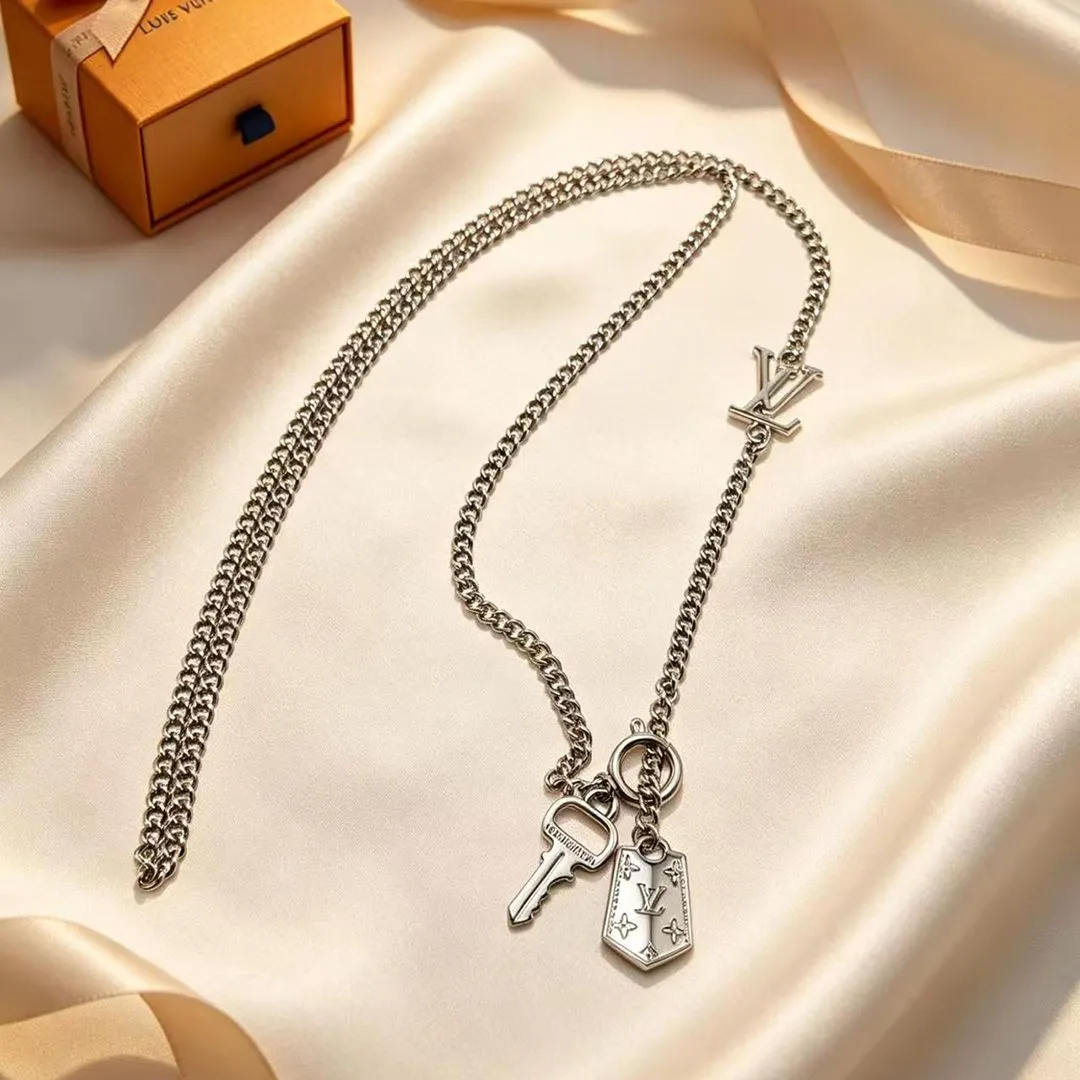
The chain moment has been building for years. It started in streetwear, where heavy hardware was part of the uniform, moved into luxury houses that turned curb chains into signature pieces, and hit the mainstream through the 90s revival that keeps feeding fashion. Cuban links, chunky pendants, layered gold — the common thread is weight. A chain has presence that a delicate necklace cannot fake, and in an era of plain, minimal clothing, that presence is exactly what an outfit needs.
There is a practical reason too, and I notice it in my own buying: chains photograph well. On video calls and in casual shots, a chain is the one piece of jewelry that shows up without looking shiny or distracting. The same week I saw the identical gold chain on three different people, I stopped calling it a passing fad. If you want proof the trend has legs, watch how quickly it crossed from runway shows to airport photos — chains are now the default finishing move for a plain outfit.
Chunky vs. Delicate: What Actually Wears Well
Here is the honest evaluation, because not every chain wears the same. Chunky chains are statement pieces. They work with tees, blazers, and button-downs, and they make a plain outfit look intentional. But they catch on collars, pull hair, and feel heavy by the end of the day. My first chunky chain was plated, and after six months the color had worn off exactly where the clasp rubbed my neck. That is the real cost of buying a trend piece cheap, and it is a lesson I have watched customers repeat.
Delicate chains layer beautifully and read quieter, but they tangle constantly and look lost on their own. If you want one chain that does both jobs, buy a medium curb or cable chain — around four millimeters — in a gold-filled or solid metal. It is not the trendiest option, but it is the one you will still be wearing next year, and that is the whole point of building an accessory collection instead of a trend graveyard.
Layering Chains Without the Mess
Layering is where most people go wrong, and the fix is simple. Keep it to three lengths: a choker around sixteen inches, a mid chain around twenty, and a long one around twenty-six. Vary the texture, not the color, and add one pendant at most. My daily combo is a sixteen-inch curb chain with a twenty-inch box chain and a small coin pendant. It looks intentional without looking curated to death, and it takes me about ten seconds to put on.
One storage note from experience: plated chains tangle worse than solid ones because they are lighter. Hang them individually or use a small organizer, and you will skip the fifteen-minute detangling session that makes people give up on the trend entirely. It sounds like a small thing, but the daily friction of jewelry is what actually decides whether you wear it.
What I’d Buy and What I’d Skip
If you are shopping the chain trend, the buying rules are straightforward. Gold-filled or solid metal beats plated for daily wear, full stop. Check the clasp: a tiny lobster clasp on a chunky chain tells you the maker cut corners, because the clasp is the first thing to fail. And skip anything that rattles — resin chains and hollow links feel cheap in the hand, and you will feel it every time you move.
My honest opinion: you do not need a designer logo to wear this trend well. A quality chain from a good independent maker looks identical on the street and costs a fraction of the house price. Spend on the metal, not the name, and run the one-season test before checkout. If you would not wear it when the trend dies, do not buy it.
If you are ready to shop the trend, browse our accessory collection for chain pieces and leather goods that pair with them.
For more on how jewelry trends move through the market, Vogue Business covers the accessories industry’s trend cycles closely.
Related reading: Accessory Trends: The Accessories Everyone Will Be Wearing · The Complete 101 Buying Guide · Watch Trends: From Vintage to Smart
For the industry perspective, The Business of Fashion publishes regular updates on this space.