
Shoe Care
Sole Repair 101: Resoling, Reheeling and Knowing When to Stop

Aug
My grandfather wore the same pair of shoes for twenty years, and the cobbler knew him by name. Every eighteen months or so, new heels; every few years, new soles. He paid more in repairs over two decades than the shoes cost new, and he still came out ahead — because he never bought a second pair. That math, repair versus replace, is the most underrated skill in owning good shoes. Here’s how to make it work.
Know Your Sole: Construction Decides Everything
Whether a shoe is worth repairing depends entirely on how it’s built. Goodyear-welted shoes — where the upper is sewn to a leather strip, and the sole is stitched to that strip — are designed to be resoled. The sole can be replaced over and over while the upper stays intact. Blake-stitched shoes, sewn directly through the sole, are also resoleable. Both are the “repairable” category.
Cemented shoes, where the sole is glued on — the vast majority of what you’ll find in fast fashion and most sneakers — are a different story. A glued sole can be re-glued once or twice, but by the time the sole is worn down, the upper is usually dying too. For a $60 cemented shoe, resoling costs more than replacement. Don’t bother.
How do you know which you own? Flip the shoe over. If you can see a row of stitching between the upper and the sole, or a distinct welt, it’s welted or blake — repairable. If there’s just a clean glued edge, it’s cemented.
When to Resole, When to Reheel, When to Act Early
Heels wear first, always. You’ll see it on the outside corner of the heel — the side that scuffs the ground as you walk. A worn heel doesn’t just look bad; it throws off your gait and twists the shoe’s structure. Reheeling early is a ten-minute, fifteen-dollar job. Reheeling late, after the heel has worn down to the stack, can mean replacing the whole heel block or worse.
Soles wear out in a pattern too: the ball of the foot, and the outer edge. Check them monthly — if you can press a fingernail into the sole and leave a dent that doesn’t spring back, the sole is getting thin. The rule I follow: resole when the sole is worn but the upper is still sound. Waiting until the welt is ground down turns a $90 resole into a $200 rebuild, or a dead shoe.
What a Cobbler Does, and What It Costs
A full resole means removing the old sole, preparing the welt, and stitching on a new one — leather, rubber, or a combination. Budget $80 to $150 depending on the shoe and your city. Reheeling runs $15 to $40. Half-soles — replacing only the worn front section, common for dress shoes with thin leather soles — run $40 to $70. Add toe taps, little metal or plastic plates at the front, for $10 to $20, and a pair of thin-soled dress shoes lasts twice as long.
The economics: a $200 pair of Goodyear-welted shoes, resoled twice at $100 each, gives you a decade of wear for $400 total. Two replacement pairs of $100 cemented shoes in the same decade — same money, half the quality, and you’ve thrown two pairs into landfill. Good shoes are cheaper than cheap shoes, and the cobbler is the mechanism.
Find a cobbler before you need one. Ask where the taxi drivers and the lawyers in your area get their shoes fixed — that’s where the good ones are. A great cobbler will also tell you when a shoe isn’t worth fixing, which is a sign of a pro, not a sales pitch.
When to Stop: Signs the Shoe Is Done
Resoling is a triumph of thrift, but it has limits. Stop repairing when the upper itself is failing: deep cracks across the vamp that flex open when you walk, dry rot that makes the leather crumble, or heavy water and salt damage that has stiffened the whole upper. Also stop when the repair estimate exceeds about two-thirds of a replacement’s cost — at that point you’re keeping a corpse alive.
And stop when the shoe is structurally unsafe. A loose heel that wobbles, a sole hanging by a thread, a broken shank — none of these are “character.” They’re injuries. My rule after twenty years of shoe ownership: repair everything below the upper, replace anything where the upper is dying, and never repair a shoe you didn’t love in the first place.
Vogue Business has written well on the resale and repair economy in fashion — their coverage of circular fashion makes the case that well-made, repairable goods are where the industry is heading.
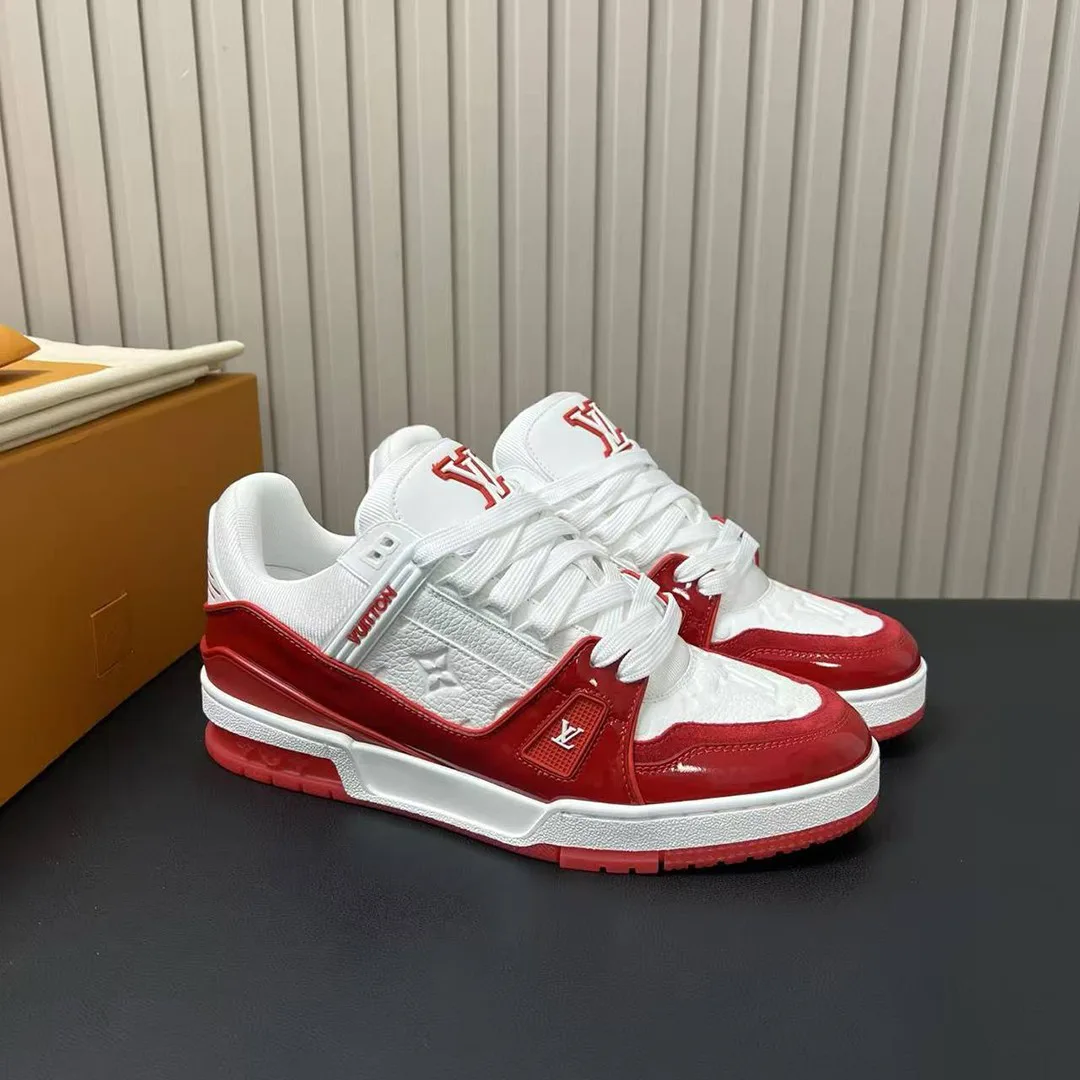

The best time to think about resoling is the day you buy the shoes — buy things built to be repaired, and you’ll never throw shoes away again. Our shoe collection is built with construction that keeps the cobbler’s trade alive.
Related reading: Shoe Care 101: Cleaning, Conditioning & Storing Leather Shoes · The Complete 101 Buying Guide · How to Polish Leather Shoes: The Complete Guide · How to Remove Salt Stains from Leather Shoes in Winter
For the industry perspective, SGS Consumer Testing publishes regular updates on this space.