
Shoe Care
Leather Shoe Conditioner: What to Use and How Often
Aug
I conditioned my first pair of leather shoes with olive oil. I’m not proud of it. It was the only “oil” in my kitchen, the leather looked thirsty, and nobody had told me that conditioner is a formulated product, not a vague concept. The shoes turned dark, stayed greasy for a month, and developed a smell that reminded me of salad. Since then I’ve tested more conditioners than I’d care to admit, and I’ve landed on a system that’s simple: what to use, and how often, without the fear-mongering.
What Conditioner Actually Does
Leather is tanned animal hide, and the tanning process strips out a lot of the natural fats. Conditioner puts oils and waxes back in. Without them, leather dries out, stiffens, and eventually cracks — usually right across the vamp, where the shoe flexes with every step. Cracks are the one thing you cannot fix. Conditioner is the thing that prevents them.
Here’s the key distinction people miss: conditioner feeds the leather, polish protects the surface. You can polish a dry shoe until it gleams and the leather underneath is still starving. That’s why a shoe can look shiny and still crack. Condition first, polish second, and you’re doing both jobs.
The Products, Ranked by How I’d Use Them
Conditioner creams are the everyday answer. Products like Bick 4 or Lexol are light, don’t darken the leather much, and absorb fast. That’s what I use on dress shoes and anything I want to keep its original color.
Balms — Saphir Renovateur is the famous one — sit between cream and wax. They condition and add a bit of shine. If you want one product for a shoe that’s a little dry and a little dull, a balm is the closest thing to a complete answer.
Then there are the heavy hitters: mink oil and neatsfoot oil. These penetrate deeply and soften aggressively, but they darken leather noticeably. Mink oil is perfect for work boots and winter boots where you want maximum softness and don’t care about the color shift. Neatsfoot is for stiff, dry, neglected leather that needs rescuing. Neither belongs on a light-colored dress shoe unless you want it to look two shades darker forever.
What about household oils, coconut, olive, baby oil? I’ve tried them so you don’t have to. They sit on the surface, go rancid over time, and attract dust. Skip them.
How Often: The Honest Frequency
Every three to four months is the baseline for shoes in normal rotation. If you wear a pair two or three days a week, that’s roughly every six to eight wears. If you live somewhere dry, or the shoes see a lot of sun and heating, move it to every two months — dry air pulls oil out of leather faster than anything else.
New shoes are the exception worth making. They come from the factory with some protection, but the first few weeks of wear flex the leather hard. I condition new leather shoes after the first month of wear, and I’ve never had a pair crack at the vamp since I started doing that.
Seasonal changes matter too. Winter is the killer: dry indoor heating pulls oil out of leather faster than anything else, and road salt finishes the job. If your shoes survived a rough winter, give them an extra conditioning pass in early spring, before the damage sets in permanently. And if you live somewhere humid, watch for the opposite problem — leather that never fully dries between wears. A little more conditioning won’t fix that; rotation and shoe trees will. The pattern to remember: leather works harder in extreme conditions, and working leather needs feeding.
The Ten-Minute Conditioning Routine
Clean the shoes first — conditioner on dirty leather just seals the dirt in. Wipe with a damp cloth if needed, let dry completely. Then apply the conditioner with a soft cloth in a thin, even layer. “Thin” is the operative word. One coat. Let it absorb for ten minutes, then buff with a dry cloth to remove any excess.
Over-conditioning is a real thing, and it’s worse than under-conditioning. Leather that’s constantly fed becomes soft, floppy, and loses its shape — I’ve seen a beautiful pair of boots ruined into slippers by a weekly conditioning habit. If the leather feels saturated or the shoe starts feeling loose, stop for a few months.
And note the line between conditioner and suede: suede is leather too, but it should never be conditioned with these products. The oils mat the nap and darken the color permanently. Suede gets brushed, not fed.
The Business of Fashion has good reporting on how brands handle materials and longevity — their coverage of the footwear industry explains why the same leather can behave so differently between makers.
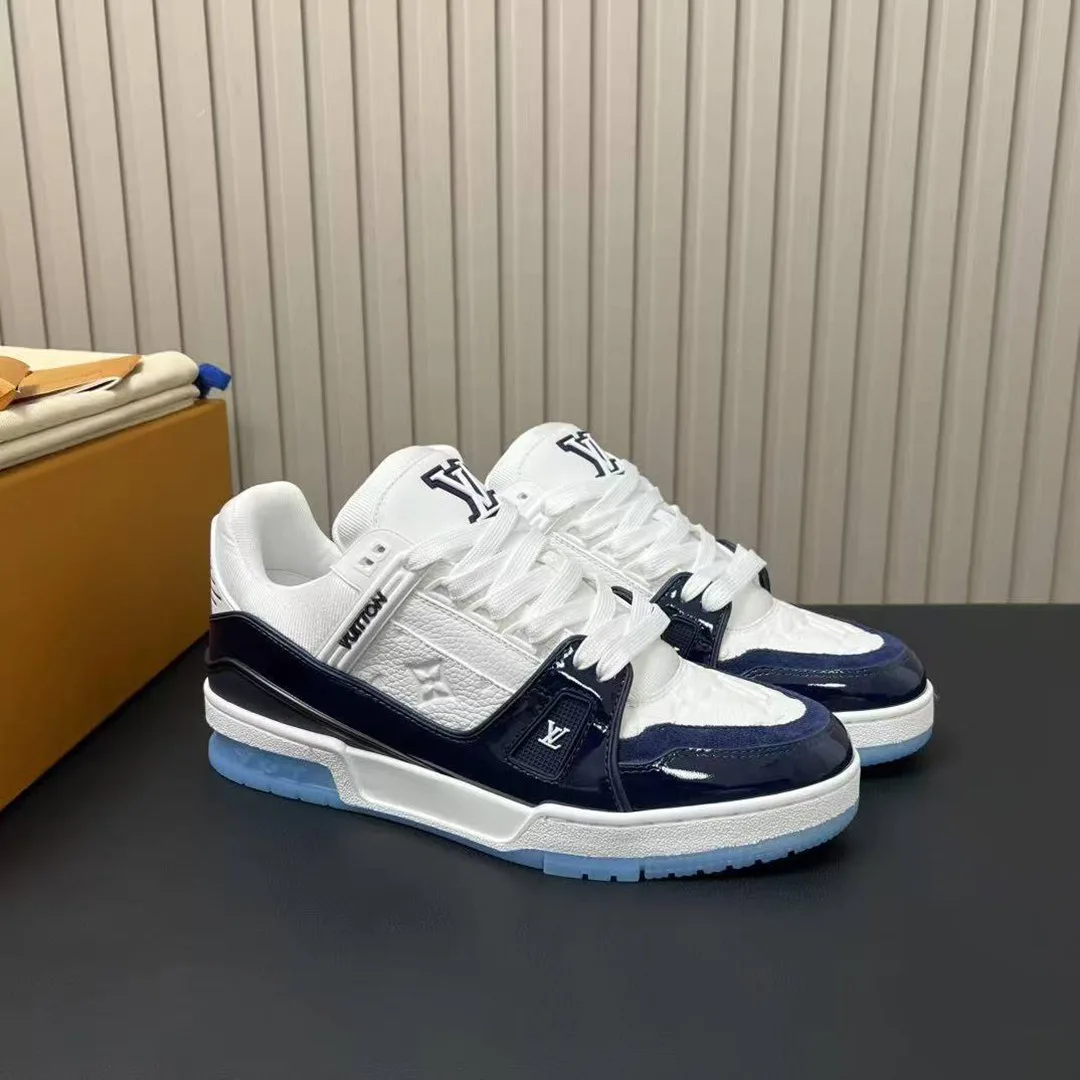
Conditioning is a twenty-minute quarterly habit that decides whether your shoes die in two years or ten. If you’re in the market for leather that’s worth feeding, our leather shoe collection is a good place to start.
Related reading: Shoe Care 101: Cleaning, Conditioning & Storing Leather Shoes · The Complete 101 Buying Guide · How to Polish Leather Shoes: The Complete Guide · How to Remove Salt Stains from Leather Shoes in Winter
For more on this topic, the experts at SGS Consumer Testing offer detailed guidance.