
Gift Trends
Gift Trends by Generation: Boomers to Gen Z
Sep
My grandfather’s ideal gift is a good flashlight. My mother’s is anything she can use in the kitchen. My niece’s is anything that looks good on camera. Same family, same holiday table, three completely different definitions of a successful gift. That’s the thing about gift trends — they’re not really national trends, they’re generational ones, and knowing which generation you’re buying for is worth more than any holiday shopping guide.
I’ve spent years selling leather goods to every age group, and the patterns are remarkably consistent. The generations genuinely want different things from a gift, and the failures almost always come from applying your own generation’s logic to someone else’s. Here’s what the data and the counter conversations have taught me.
Boomers and Gen X: Quality, Legacy, Practicality
Older generations want gifts that behave like tools with a story. Boomers and Gen X grew up in a world where things were built to last and repaired when they broke, and their gift preferences still run on that logic. They want quality they can feel, materials that hold up, and objects with a future — a leather belt that will outlive the trend, a wallet that gets better with age, a bag they can pass down. The word they use most is “nice,” and what they mean is “built properly.”
Practicality isn’t a lack of romance, it’s a different romance. My dad’s favorite gift of the last decade was a leather work bag that replaced the nylon one he’d carried for fifteen years. He doesn’t describe it as a gift. He describes it as “the bag.” That’s the goal with this generation: become the thing they use daily. Sentimental objects get a place on the shelf; practical ones get a place in their life.
Millennials: Experiences, Meaning, and the “Used” Test
Millennials are the generation that made experience gifting a trend, and they still run on it — with a twist. They want gifts that create moments, but they’ve also aged into careers, homes, and daily routines, so the pure “event” gift has softened into the experience-adjacent gift: the nice bag for the trip, the quality coffee setup for the morning ritual, the leather journal for the hobby they’re serious about. The object matters, but it has to attach to a life, not sit in a box.
The other millennial marker is the meaning test. They’d rather receive one thing that shows the giver actually knows them than three things that show the giver went shopping. Personalized pieces land hard here — initials, dates, coordinates — because they turn an object into a story. And they’re the generation most likely to quietly apply the “used” test: if they haven’t used the gift in six months, the gift failed, no matter how thoughtful it looked.
Gen Z: Personalization, Sustainability, and Social Proof
Gen Z is the generation everyone assumes is impossible to shop for, and in some ways they are. They’re allergic to anything that reads as wasteful, so the sustainable angle matters to them in a way it doesn’t to older buyers. They’re also digital natives, which means they’ve seen everything — the unboxings, the dupes, the trends — and they’re harder to impress with branding alone. What works with them is specificity: a piece that fits their actual aesthetic, chosen with real attention.
The surprise is that Gen Z loves vintage and secondhand leather, which older generations often find odd as a gift. A pre-loved leather bag with patina and a history isn’t a downgrade to them — it’s a flex. They also care deeply about the presentation: a well-wrapped gift with a handwritten note outranks a shopping bag with a receipt. And yes, if it photographs well, that genuinely matters. Don’t roll your eyes. It means the gift gets shown off, and being shown off is how it gets remembered.
What All Generations Agree On
Strip away the differences and the overlap is striking. Every generation, in my experience, responds to the same core: a gift that shows the giver paid attention. The packaging of that attention differs — a flashlight for my grandfather, a camera-ready bag for my niece — but the mechanism is identical. Quality leather goods sit at the center of that overlap because they’re practical enough for the oldest generation, meaningful enough for the middle, and aesthetic enough for the youngest.
The second universal: nobody wants to receive clutter. Every generation has a version of the same complaint about the same gift categories — the novelty items, the impulse gadgets, the things that exist to be given rather than used. The generations may disagree on what “good” means, but they all agree on what “waste” means, and that’s a useful consensus.
Matching the Gift Without Stereotyping
Here’s the caveat, because trends are maps, not people. Generational patterns describe the average, and the person you’re buying for is never the average. My Boomer father would love a weekend experience more than any object. My Gen Z niece would pick a practical card holder over something flashy. The right move is to use the generation as a starting hypothesis, then override it with what you actually know about the person. Trends tell you where to look. The individual tells you what to buy.
That’s the honest version of the generational gift guide: start with the pattern, finish with the person.
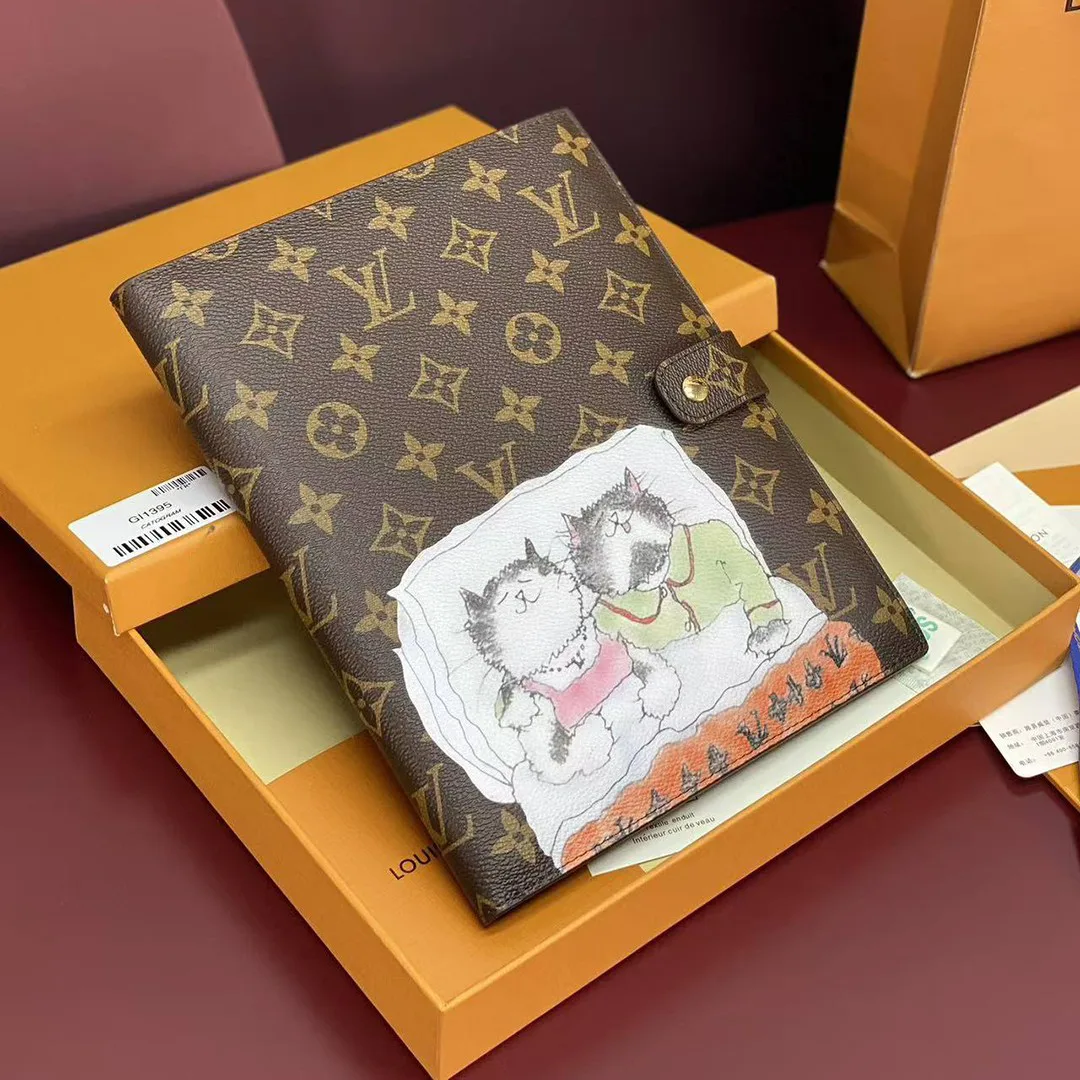
Whatever generation you’re shopping for, quality leather works. Browse the collection at ThePrimeBags and find the piece that fits the person, not the trend.
For reporting on how different age groups are shopping, WWD covers consumer behavior across the generations.
Related reading: Gift Trends: What People Actually Want as Gifts This Year · The Complete 101 Buying Guide · Last-Minute Gifts: The Trends That Save You · Minimalist Gifting: Less Stuff, More Meaning
For the industry perspective, Vogue Business publishes regular updates on this space.
For more on this topic, the experts at The Business of Fashion offer detailed guidance.