
Fashion & Styling
What Is the Difference Between Dupattas, Stoles, and Scarves?
Sep
The words dupatta, stole, and scarf get used interchangeably, but they describe different garments with different histories, sizes, and uses. Understanding the differences matters for buying, for styling, and for respecting the cultural origins of each piece. The distinctions are simpler than they look, and once you know them, you will never mix them up again.
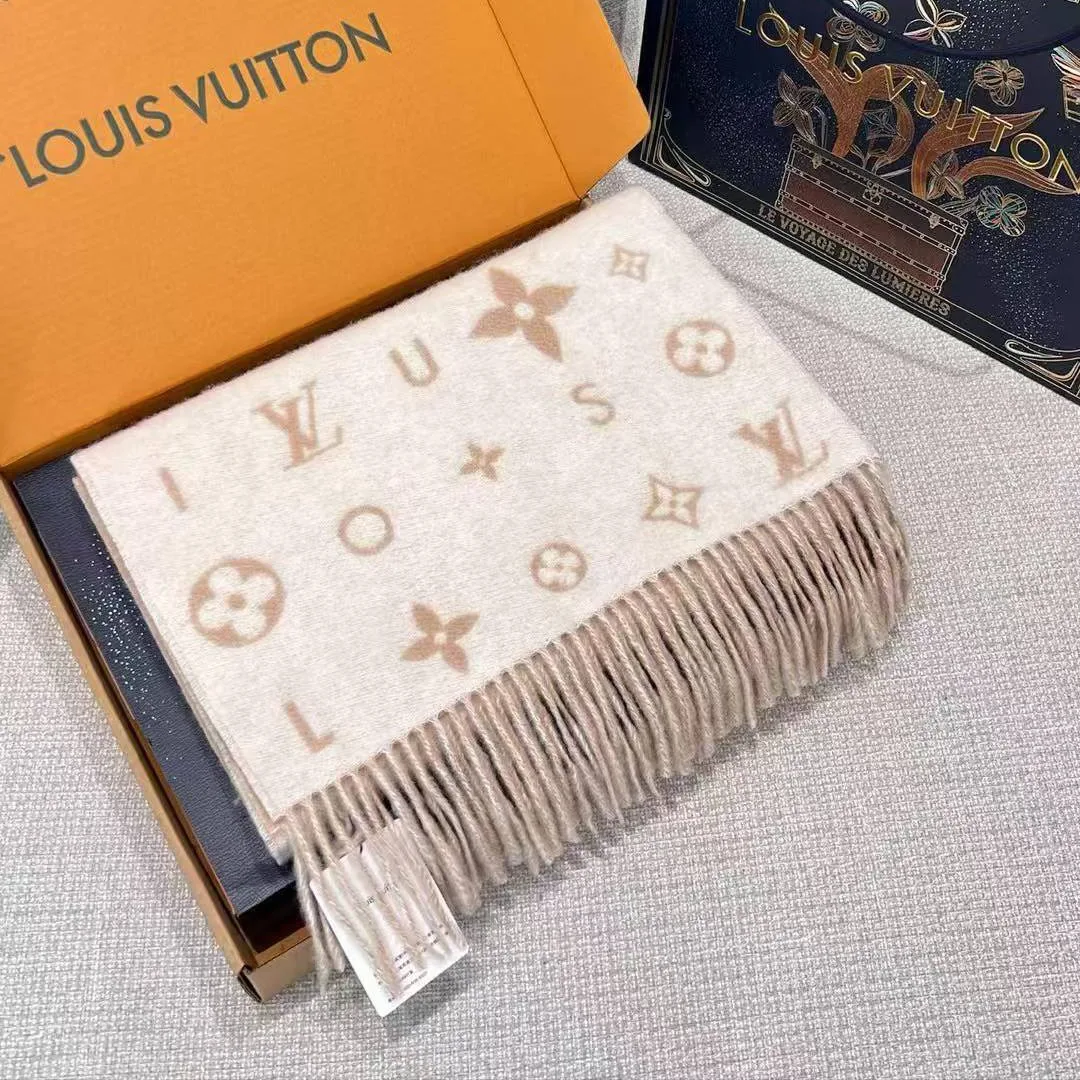
I have collected all three over the years, and each earns its place in a wardrobe for different reasons.
The Scarf: The Versatile Everyday Piece
The scarf is the smallest and most casual of the three. Typically a square or rectangle of fabric, it is worn around the neck, in the hair, on a bag, or as a belt, and its job is styling and light warmth. Scarves come in every material, from silk to wool, and they are the accessory that adapts to the outfit. The scarf’s identity is versatility: it is the piece that changes looks without changing clothes.
Scarf sizes vary from small 70-centimeter squares to long 180-centimeter rectangles, and the size determines the use. The scarf is the everyday default of the three, and it works across cultures and seasons.
The Stole: The Dressier Cover-Up
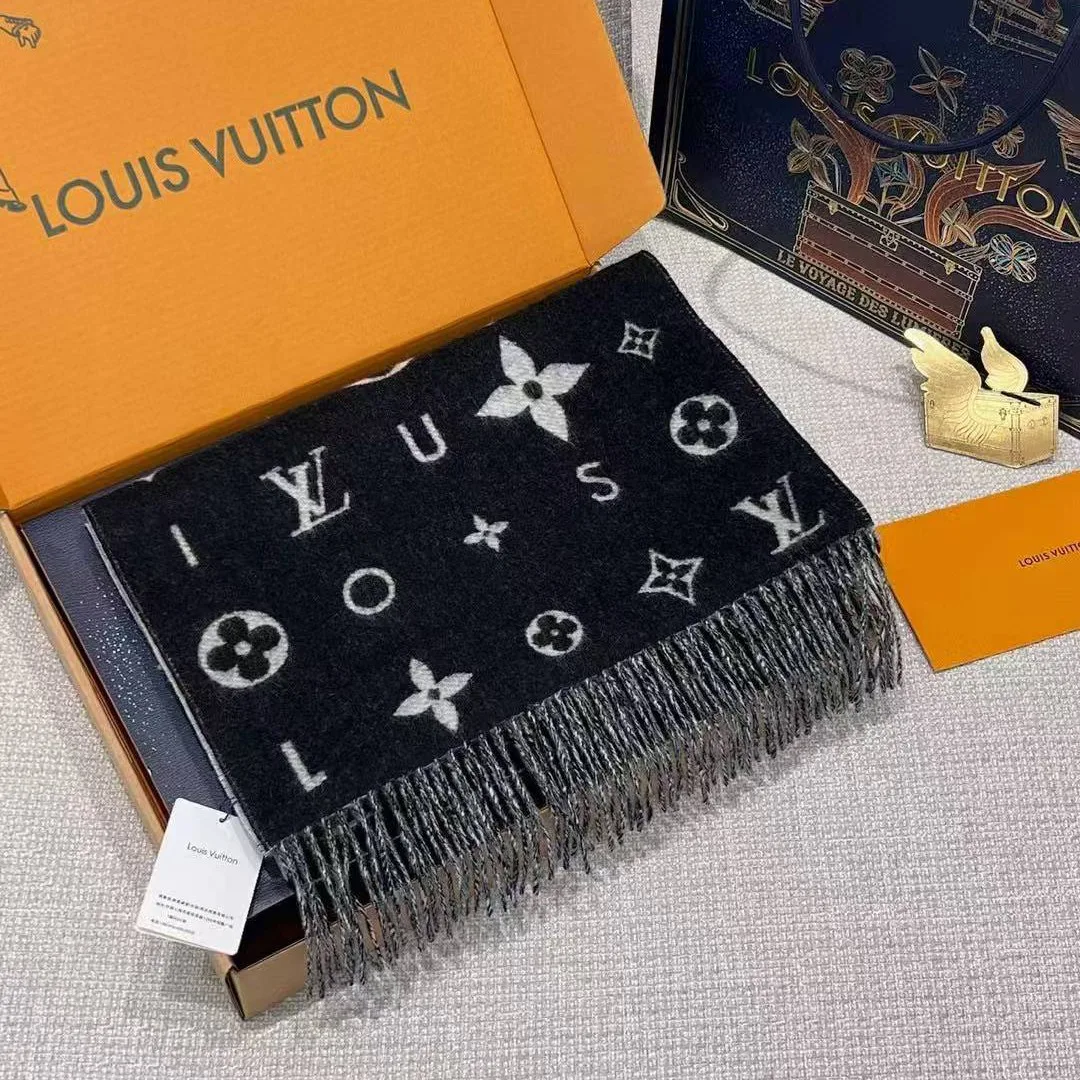
The stole sits between the scarf and the shawl. It is a long, rectangular piece, wider than a scarf and narrower than a shawl, typically worn draped over the shoulders or arms. The stole’s history is formal: it originated as a women’s dress accessory, often in luxurious materials like fur, silk, or embroidered fabric, and it remains the dressier option of the three. A stole elevates an evening outfit or adds elegance to a formal occasion.
Functionally, the stole provides modest coverage and warmth without the bulk of a coat. It is the piece you drape, not wrap, and its styling is about the drape rather than the knot. If a scarf is the everyday piece, the stole is the occasion piece.
The Dupatta: The Cultural Essential
The dupatta is a long, wide piece of fabric, traditionally worn as part of South Asian clothing, draped over the shoulders or head. Its role is deeper than styling: the dupatta is a cultural garment with meaning, providing modesty, completing the traditional outfit, and carrying regional and ceremonial significance. It is worn with salwar kameez, lehengas, and kurtas, and its styling and draping are part of the tradition itself.
The dupatta is typically larger than a scarf or stole, often two meters or more, and it is made in fabrics that match its ceremonial role: silk, chiffon, cotton, and embroidered materials. For those who wear it, the dupatta is not an accessory in the Western sense; it is an essential part of the outfit and the identity.
How They Compare
Size is the clearest differentiator: scarf smallest, stole medium, dupatta largest. Formality follows: scarf casual, stole formal, dupatta traditional. The scarf is worn around the neck, the stole draped over the shoulders, and the dupatta draped over the shoulders or head as tradition dictates. Materials overlap, but the dupatta’s fabrics are tied to its cultural role, while scarves and stoles follow fashion.
There is also a Western equivalent of the dupatta: the shawl or wrap, which covers similar ground in size and draping, though without the cultural meaning. The shawl is the useful comparison point for Western wardrobes.
How to Use Each in Your Wardrobe
For a Western wardrobe, the practical collection is: scarves for daily styling and seasonal warmth, a stole or shawl for formal events and evenings, and a shawl or wrap for travel and layering. The dupatta belongs in wardrobes that include traditional South Asian clothing, where it completes the outfit, and it can also be styled as a shawl with modern looks by those who appreciate the piece. None of the three replaces the others; they serve different moments.
The buying rule: match the piece to the occasion. Daily outfits want scarves, evenings want stoles, and traditional outfits want dupattas. Buying all three, in the right materials and colors, covers every occasion the wardrobe faces.
The Takeaway
The scarf is the versatile everyday accessory, the stole is the dressier draped piece for formal moments, and the dupatta is the culturally significant garment of South Asian tradition. They differ in size, formality, and role, and each has its place. Build your collection by occasion, respect the dupatta’s cultural meaning, and use the shawl as the Western equivalent where needed. Knowing the difference means buying the right piece for the moment, and that is the whole game.
Build your collection: explore our designer inspired scarves, shawls, and stoles for pieces that cover every occasion.