
Fashion & Styling
How Do You Know What Glasses Frame Width You Need?

Sep
Frame width is the most common glasses mistake: too-wide frames slide and look like borrowed sunglasses, too-narrow frames pinch and squeeze the face. The good news is that finding your correct frame width is a two-minute process that works for both prescription glasses and sunglasses, and once you know your number, online and in-store shopping both get dramatically easier.
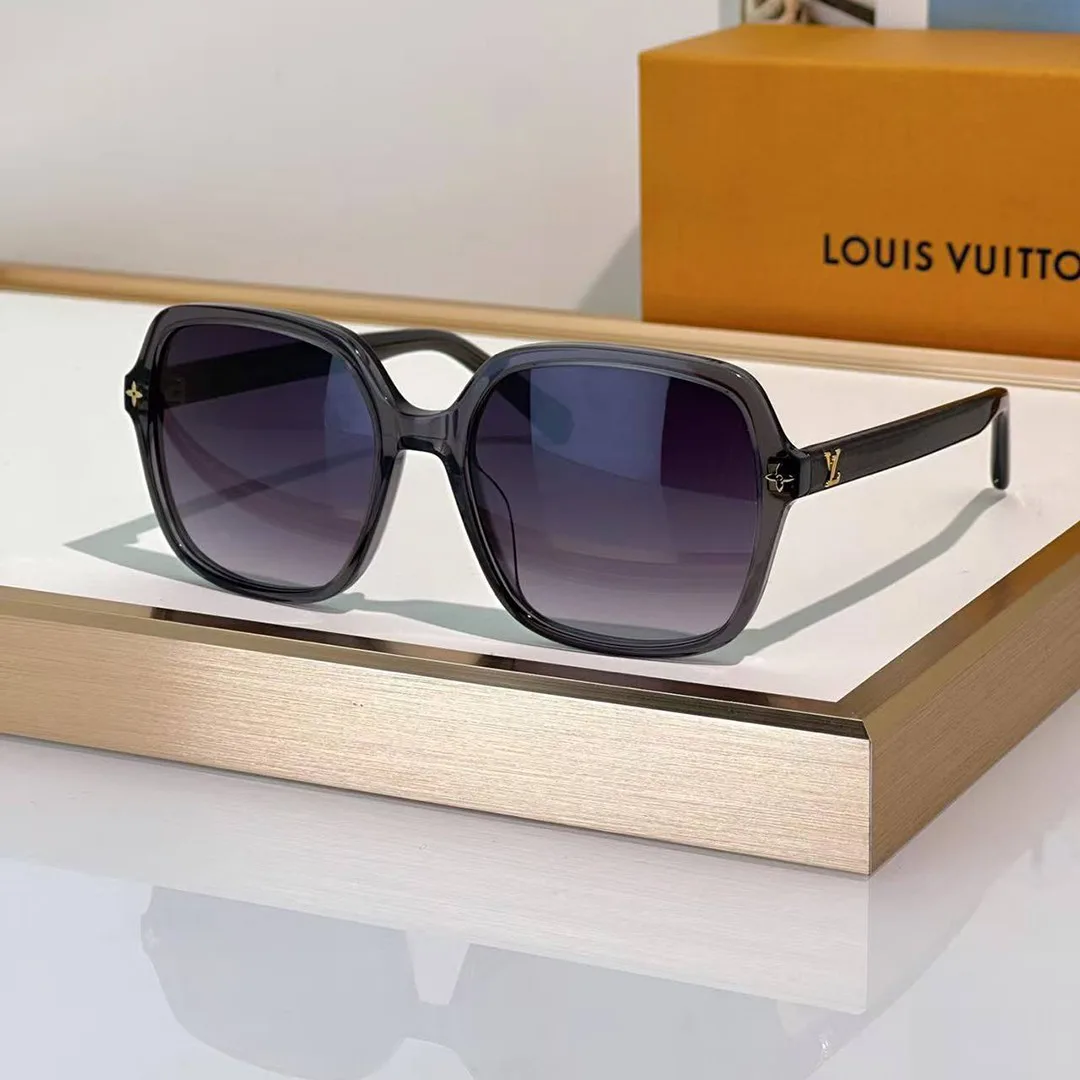
I have bought glasses both ways, and the width rule is what stopped my run of wrong-sized frames. Here is the method.
Know Your Frame Width Number
Every frame has a size printed on the inside of the temple, usually as three numbers: lens width, bridge width, and temple length, like 52-18-140. The first number, the lens width, and the second, the bridge width, combine to determine the total frame width. Knowing your current well-fitting frame’s numbers gives you a starting range: your next frame should match the lens width and bridge width within a small margin.
For most adults, lens widths range from 48 to 56 millimeters, with 50 to 54 being the most common. Bridge widths range from 14 to 24. If your current frames fit well, read their numbers and use them as the anchor for every future purchase.

The Face Measurement Method
If you have no well-fitting frame to reference, measure your face. Place a ruler across your face at eye level, from temple to temple, and record the width in millimeters. Your ideal total frame width is your face width plus about 4 to 6 millimeters, allowing the temples to extend slightly past your face. This number, typically 120 to 145 millimeters for adults, is what the frame’s total width should match.
The ruler method is approximate but reliable enough to eliminate the obvious mistakes: a frame whose total width is more than 8 millimeters off your face width will look and feel wrong.
The Mirror Tests
Three mirror tests confirm the width without numbers. First, the eye position test: your eyes should be centered in the lenses, not pushed outward or inward. Second, the side view test: the temples should run straight back from the hinge, not bow outward around your head or squeeze inward. Third, the temple width test: you should see a small gap, one to two fingers, between the temple and your head at the widest point, no digging in.
These tests work because they check the frame against your actual head shape, which numbers alone cannot capture. A frame that passes all three is the right width, whatever its printed size.
How Width Interacts With Fit
Width is the foundation, but it interacts with the other fit elements. A frame that is the right width but too deep will sit wrong vertically, and a frame that is right on width but has the wrong bridge will slide. Shop for the width first, then check the bridge, the nose pads, and the temple length, which should be 135 to 150 millimeters for most adults. The width check eliminates the biggest mistake; the other checks finish the fit.
For online shopping, the printed size numbers become essential: match the lens and bridge widths of a frame you have tried, and the new frame will fit within the same range. The numbers turn online glasses buying from a gamble into a calculation.
The Takeaway
Finding your glasses frame width is a two-minute process: read the numbers on a well-fitting current frame, or measure your face temple to temple and add 4 to 6 millimeters. Then confirm with the mirror tests, eyes centered, temples straight, a small gap at the sides, and check the bridge and temple length to complete the fit. Once you know your width, buying glasses in any store or online becomes precise, and the wrong-sized frame problem disappears.
Find frames that fit: explore our designer inspired sunglasses collection with classic sizing, or browse our accessories.