
Fashion & Styling
What Clothing Item Can You Never Have Too Many Of?
Aug
Most clothing items have a natural limit: you need a certain number of jeans, coats, and pairs of shoes, and beyond that, more is waste. But every wardrobe has one category that keeps justifying itself, where each new piece adds real value instead of redundancy. Ask fashion people this question and the answers cluster with striking consistency, and the reasons explain a lot about how wardrobes actually work.
My own answer to this question has been stable for years, and it has changed how I shop.
The Most Common Answer: Scarves
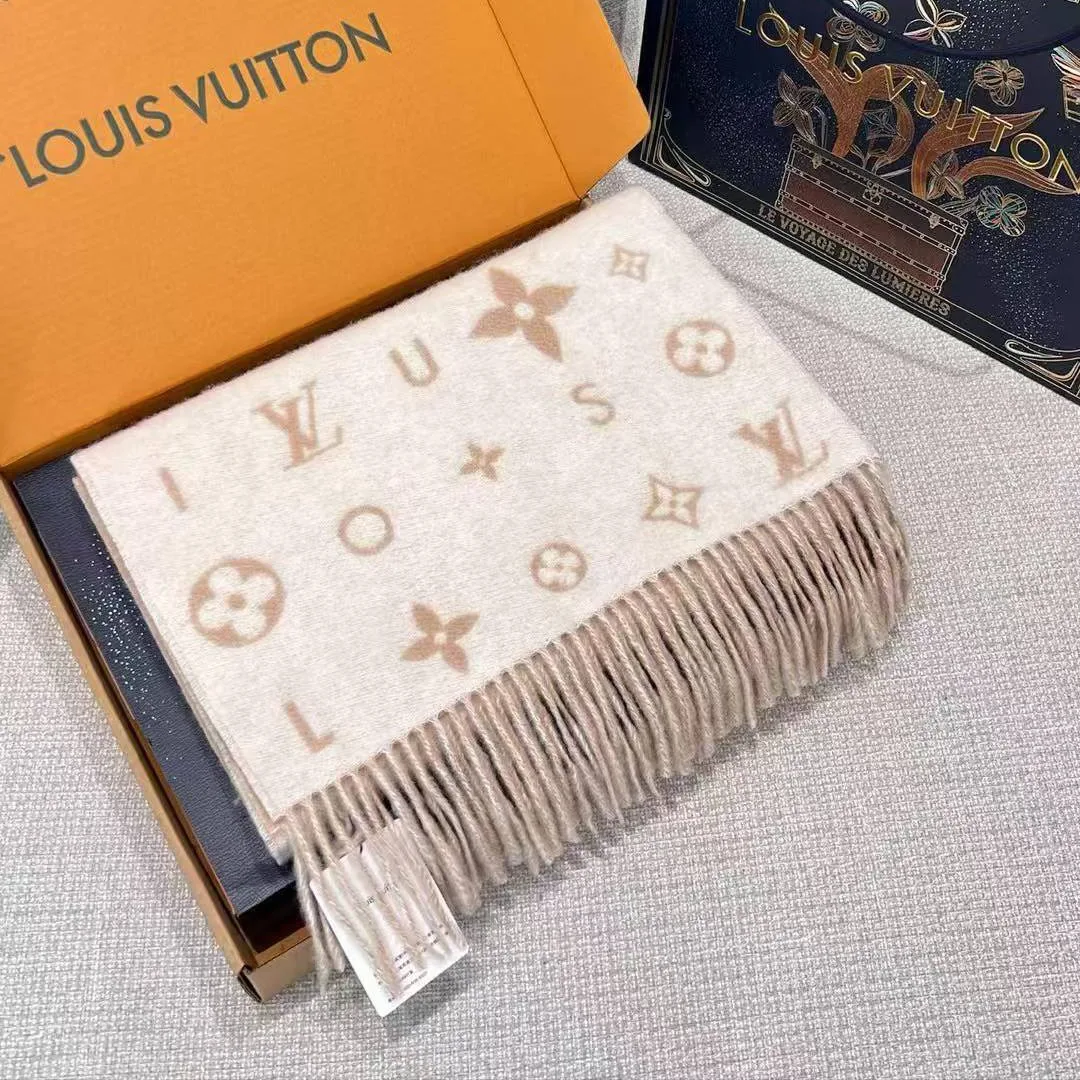
The scarf is the item that keeps earning its place. A scarf adds color, pattern, and texture to any outfit, and it does so without requiring a wardrobe change. Ten scarves create ten different versions of the same coat, the same dress, the same plain outfit. No other item has that multiplier effect: the scarf is the cheapest and fastest way to transform a look, and every additional one adds genuine styling value.
Scarves also work across seasons and functions: warmth in winter, sun protection in summer, a bag accent, a hair accessory, a travel blanket, a belt. Each scarf is a small wardrobe in itself, which is why the collection keeps growing without feeling redundant.
Why More Scarves Never Feel Wasteful
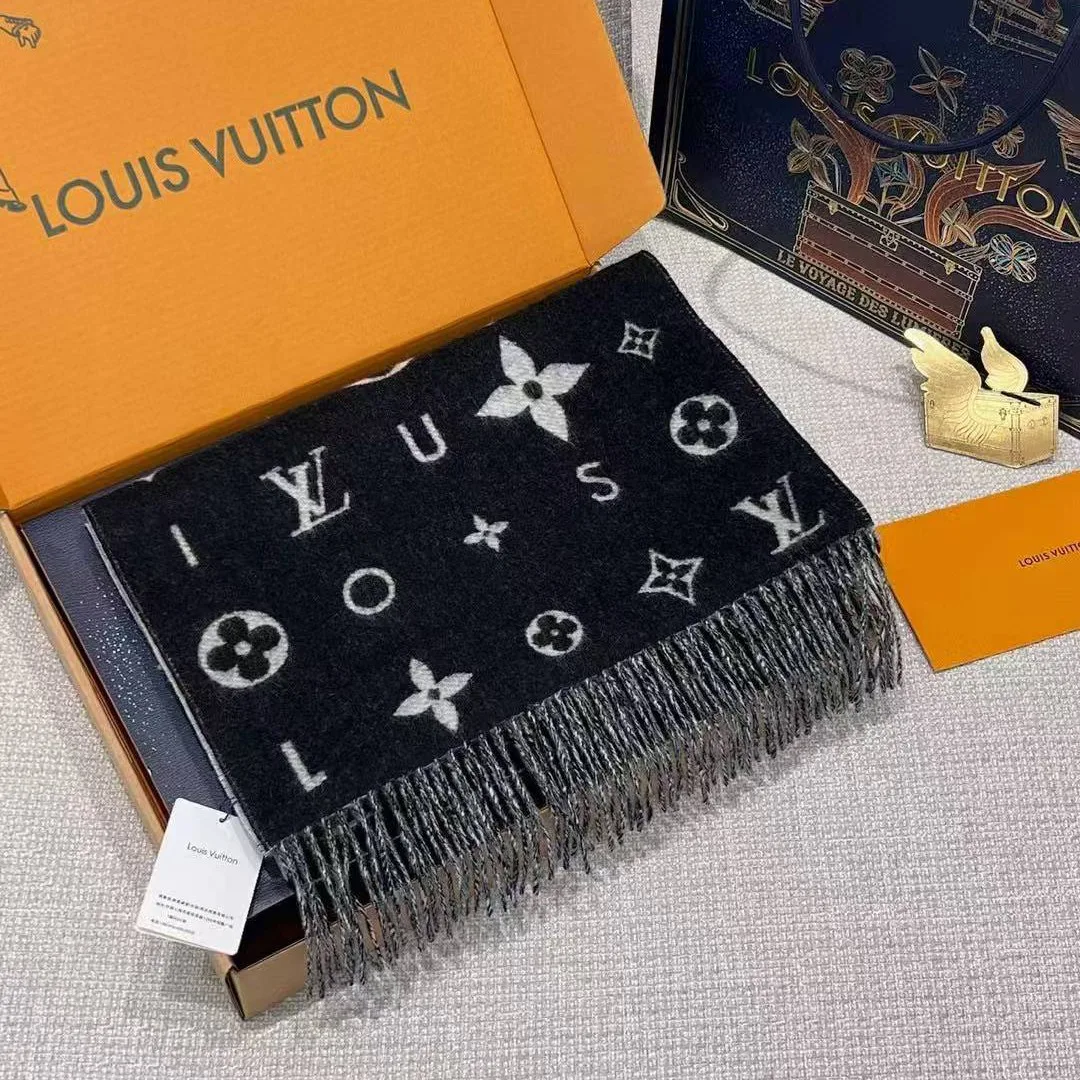
The reason scarves escape the law of diminishing returns is their versatility and their size. A scarf takes almost no storage space and costs relatively little, so the cost of adding one is low. But its styling impact is high, because it changes the most visible part of an outfit, the neckline and face area. The result is an item where each addition delivers real value per unit of cost and space, which is exactly the formula that justifies a collection.
There is also the color logic: each scarf extends the wardrobe’s color story. A scarf in a new color makes every outfit in that color family work better, effectively multiplying the wardrobe without buying new clothes.
The Other Contenders
Scarves are the leader, but the other answers are revealing. White shirts: the workhorse that gets replaced as it wears, and whose crispness defines so many looks. T-shirts in neutral colors: the base layer that everything builds on, and that wears out fastest. Bags: for people who see them as functional art, where each bag serves a different purpose, work, evening, travel, casual. And jewelry: where each piece is a different expression of the same style.
Each of these shares the scarf’s logic in some form: high versatility, visible impact, or fast wear. The item you can never have too many of is the one where each addition compounds the wardrobe’s value rather than duplicating it.
The Test for Your Own Answer
To find your answer, apply two tests. First, the multiplier test: which item changes the most existing outfits per new purchase? Second, the usage test: which item do you reach for so often that another one would genuinely get used? If a new piece would sit unused, the category is saturated; if it would enter the rotation immediately, the category has room. The item that passes both tests is the one you can never have too many of.
The trap to avoid is collection for collection’s sake: buying the tenth scarf in a color you never wear. The rule is not “more is always better”; it is “more is better when each addition multiplies the wardrobe.” The collection should grow by color logic and utility, not by impulse.
The Takeaway
For most wardrobes, the scarf is the item you can never have too many of, because each one multiplies the styling value of everything else you own. It transforms outfits without requiring new clothes, works across seasons, and costs little in money and space. White shirts, neutral tees, bags, and jewelry are the other contenders, each following the same logic. Find your multiplier item, shop it with color logic rather than impulse, and the collection will keep paying you back.
Build your collection: explore our designer inspired scarves and shawls for pieces that multiply your wardrobe, or browse our full accessories range.