
Fashion & Styling
What Makes an Outfit Look Expensive Even When It Isn’t?
Aug
There is a well-known fashion observation that some people look expensive in cheap clothes while others look cheap in expensive ones. The difference is rarely the price tags. It is a set of styling and maintenance habits that cost almost nothing and change how every outfit reads. Learning these habits is the best value in fashion, because they upgrade everything you already own.
I have spent years noticing what separates the two groups, and the pattern is consistent enough to write down. Here is what actually makes an outfit read as expensive.
Fit Is the Whole Game
The single biggest factor is fit, and it outweighs every other element combined. Clothes that fit well, shoulders that sit correctly, hems at the right length, waists that are not pulling, look expensive regardless of fabric or brand. Clothes that are too big or too small look cheap regardless of what you paid. The fix is tailoring: taking in a waist, shortening a hem, adjusting sleeves costs a little and transforms everything.
This is why stylists say to buy the cheapest version of a garment that fits perfectly rather than the most expensive one that does not. Fit is the language that expensive clothing speaks, and it is available at any price point.
The Power of Restraint
Expensive-looking outfits are restrained. One statement piece at a time, a limited color palette, minimal logos, and fewer accessories rather than more. The eye reads simplicity as confidence, and confidence reads as wealth. Outfits crammed with prints, logos, and accessories compete with themselves and look busy, which reads as trying too hard.
The practical rule: if you are unsure whether to add something, leave it off. An outfit with one strong element, a great bag, a statement coat, a striking color, looks curated. The same outfit with five elements looks chaotic.
Color and Fabric Choices
Certain colors consistently read as expensive: neutrals like cream, camel, navy, and black, plus muted tones like olive and burgundy. These colors look rich in any fabric and coordinate easily with each other. Bright, saturated colors and busy patterns are harder to pull off and age faster in photos. Building a neutral base wardrobe makes everything you wear look more considered.
Fabric matters almost as much. Natural fibers, cotton, wool, silk, and linen, drape and hold color better than synthetics, and they read as higher quality in person. You do not need expensive versions; a good cotton shirt beats a cheap polyester one at any price, and the difference is visible from across the room.
Maintenance Is the Secret Weapon
The most overlooked factor is maintenance, and it costs almost nothing. Clothes that are pressed, shoes that are clean, bags that are conditioned, and lint-free fabrics look expensive because they signal care. Wrinkled clothes, scuffed shoes, and pilled sweaters look cheap no matter what they cost. The habit of checking your outfit for lint, creases, and scuffs before leaving the house is free, and it is one of the highest-impact habits in dressing.
Shoe maintenance alone changes everything, because shoes are what people notice second after the face. Clean, well-kept shoes elevate an entire outfit; scuffed ones drag it down.
The Accessory That Does the Heavy Lifting
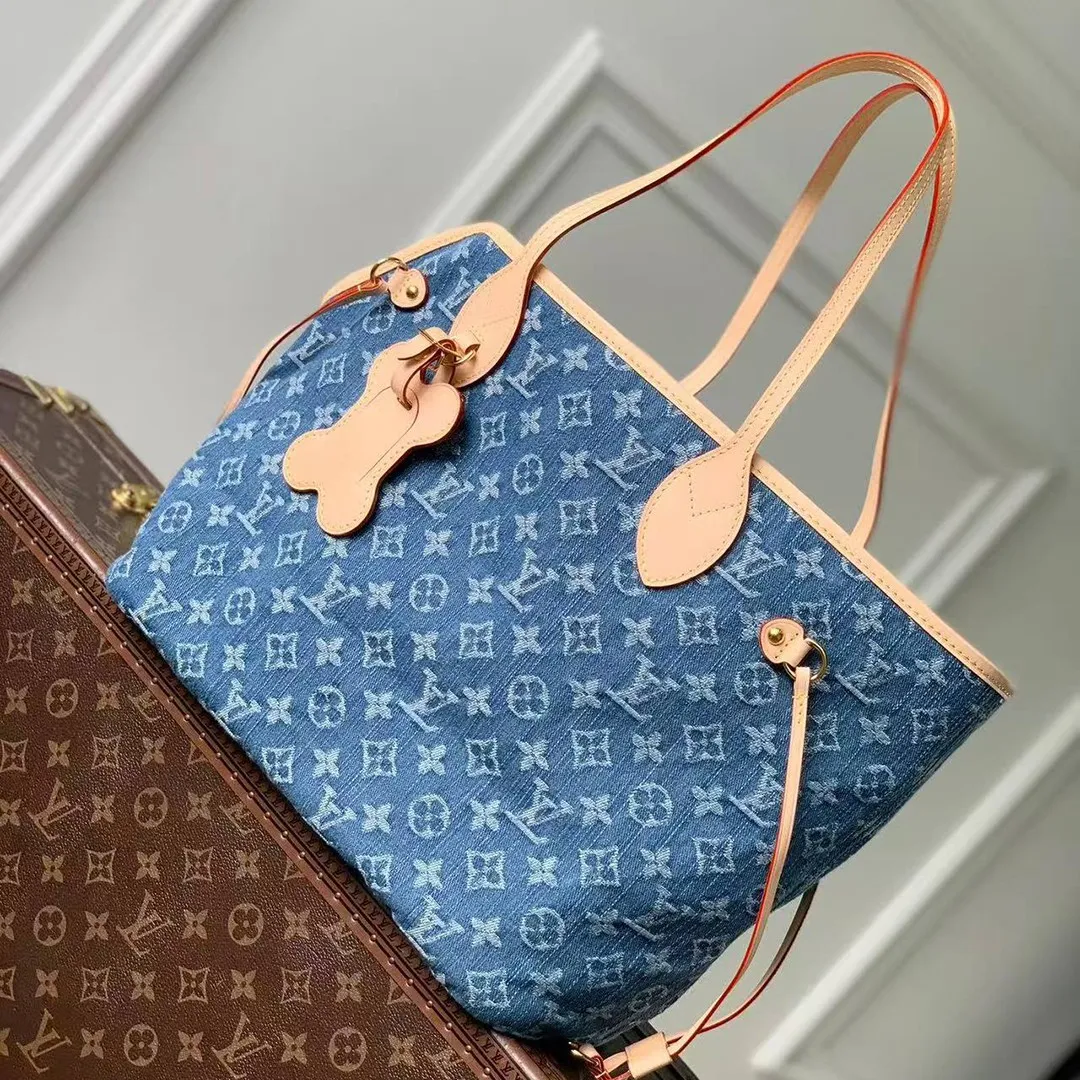
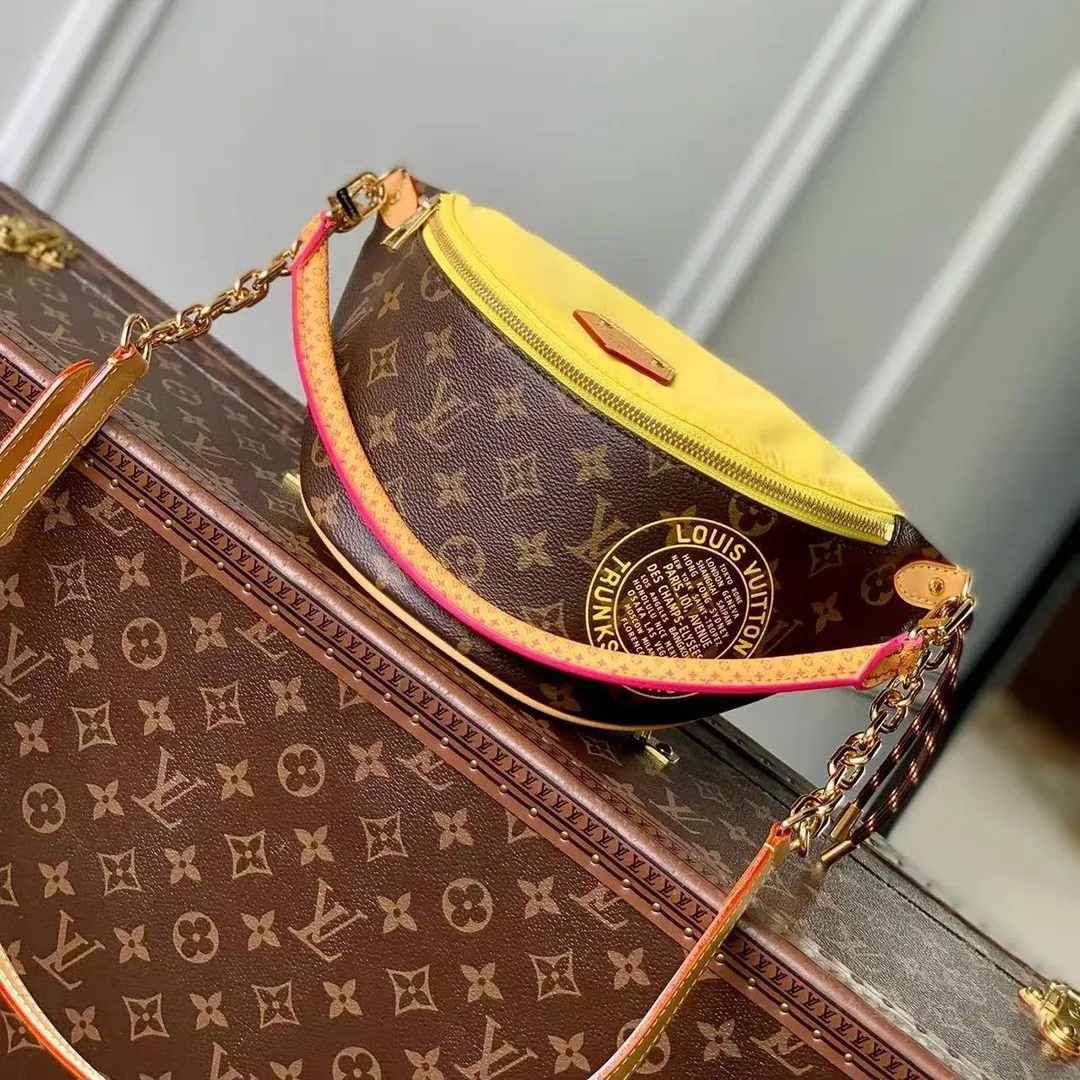
A good bag is the fastest way to make an outfit look expensive. A structured, well-made bag in a neutral color anchors an entire look, and it is the piece people notice most. You do not need a designer original; a quality designer inspired bag with clean lines, good materials, and proper structure delivers the same visual effect. One excellent bag upgrades every outfit it touches, which makes it the highest-value purchase in your wardrobe.
Choose the bag in a classic shape and neutral color, keep it maintained, and it becomes the anchor that makes everything else look more expensive by association.
The Takeaway
An outfit looks expensive when the clothes fit, the styling is restrained, the colors and fabrics are chosen well, and everything is maintained. None of these require money; they require attention. Tailor your key pieces, simplify your styling, build around neutrals and natural fabrics, and care for what you own. Add one quality bag as the anchor, and you will consistently look more expensive than your wardrobe actually cost.
Start with the anchor: explore our designer inspired bag collection for structured styles that elevate any outfit.