
Fashion & Styling
Do You Wear the Same Jewelry Every Day or Switch It Up?
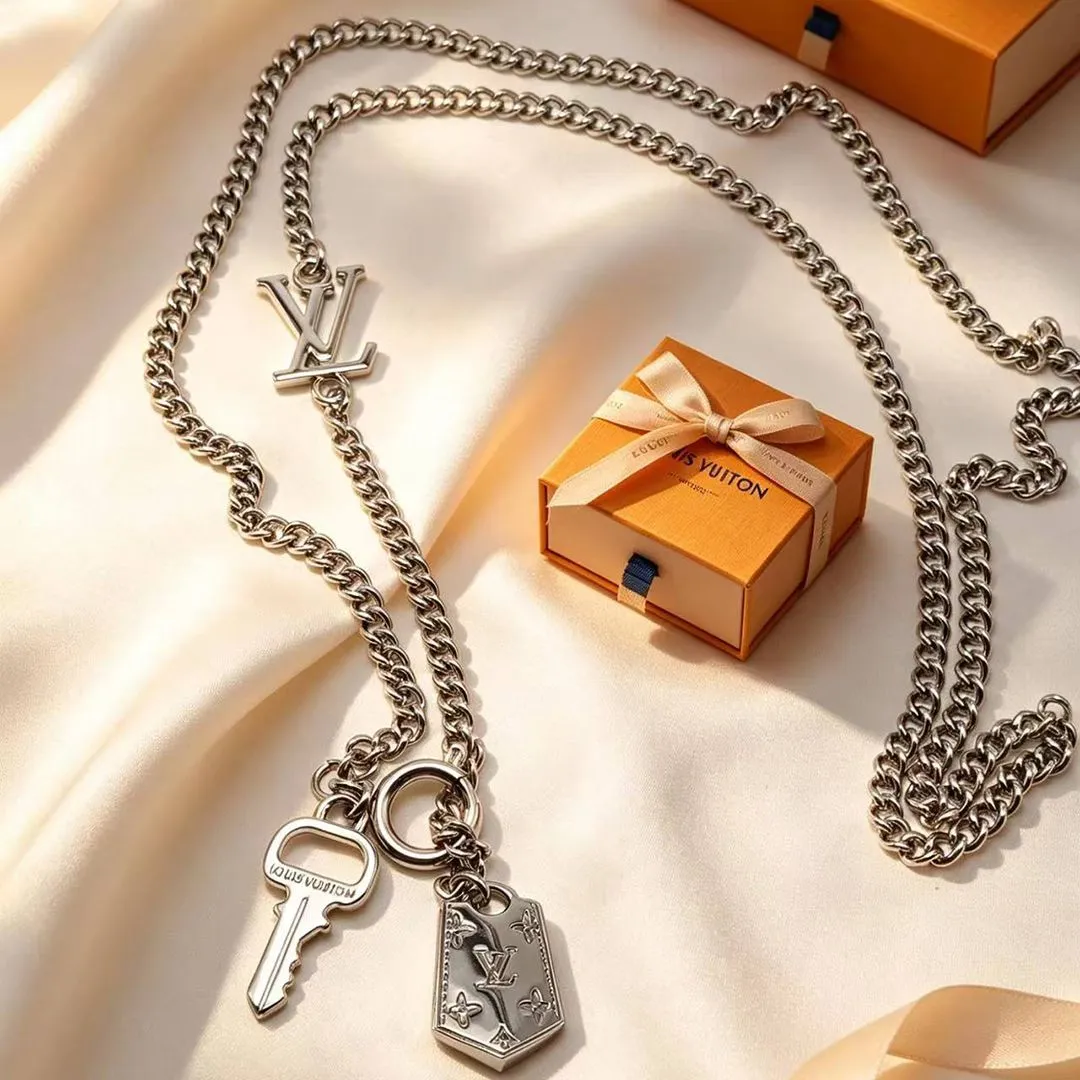
Aug
There are two jewelry philosophies and both are valid. The signature approach: wear the same pieces every day until they become part of your identity. The rotation approach: treat jewelry like the rest of your wardrobe, choosing pieces to match the day, the outfit, and the mood. Most people land somewhere in between, and the mix usually works better than either extreme.
I have lived on both sides. For years I wore the same necklace and earrings daily, and they became my look. Then I started rotating, and I discovered that jewelry can do more when it participates in the outfit rather than just repeating it.
The Case for a Signature Piece
Wearing the same jewelry daily has a quiet power: consistency becomes identity. The necklace you never take off is how people recognize you, and it carries meaning every time you put it on. Signature pieces also remove decision fatigue, one less choice in the morning, and they earn their cost per wear faster than anything in your collection.
There is also a practical case. Quality pieces worn daily get loved, not ruined, if they are chosen for everyday wear: simple, durable, and comfortable enough to forget. A delicate chain, small hoops, or a plain band are the classic signature choices because they work with everything.
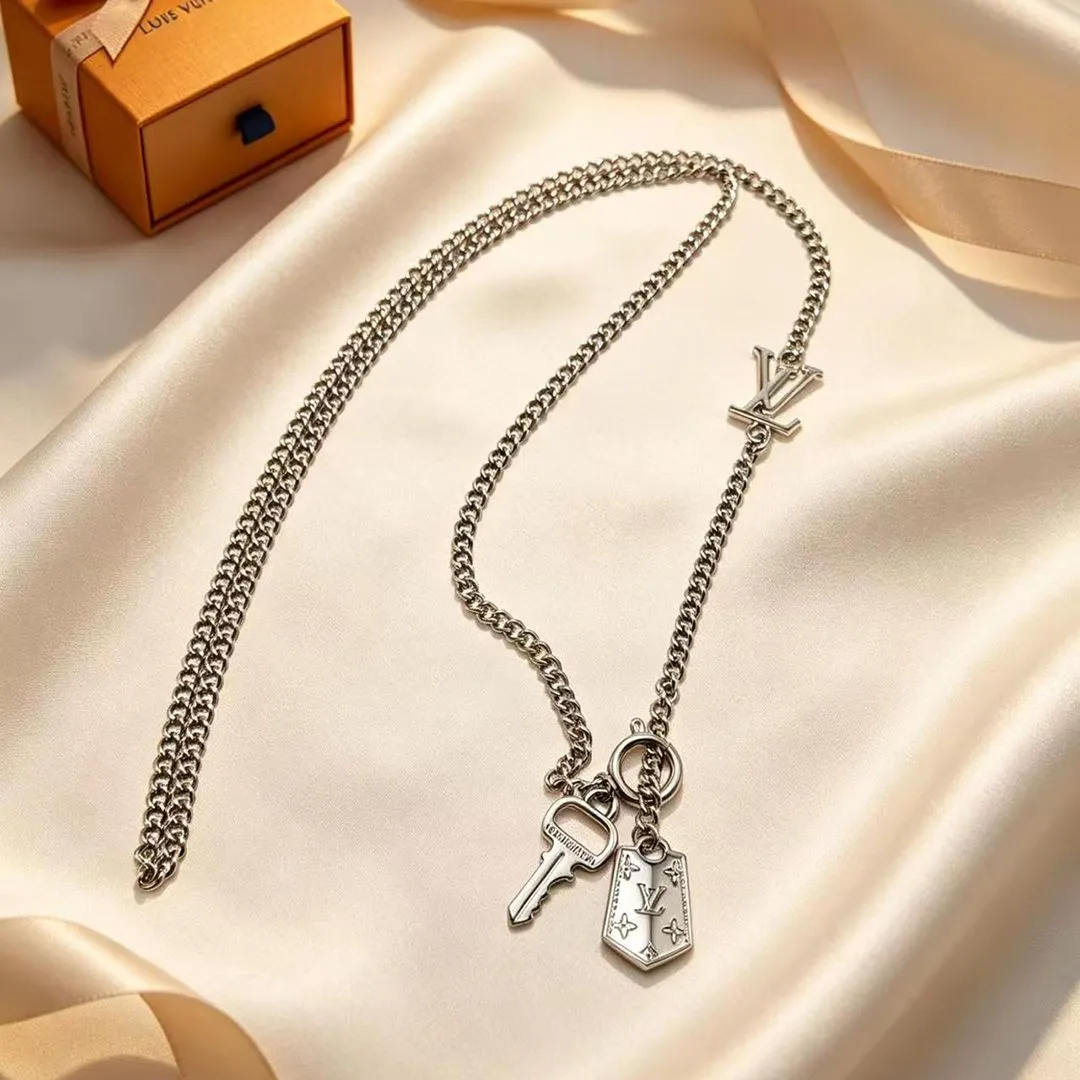
The Case for Rotation
Rotation treats jewelry as a styling tool. Different pieces change the energy of the same outfit: a long pendant with a V-neck, studs with a blazer, a bracelet stack for casual days. Rotation also lets you follow occasions: understated pieces for work, statement pieces for evenings, sentimental pieces when you need them. The same dress can look completely different with a jewelry swap.
Practically, rotation extends the life of every piece by spreading the wear, and it justifies owning a collection rather than a single item. For people who enjoy dressing as self-expression, rotation is the more satisfying system.
The Hybrid That Works
The approach most people settle into is the hybrid: a signature base plus rotating accents. Keep one or two pieces on permanently, the ring, the chain, the hoops that are “you.” Then add or swap a layer on top: a statement necklace for an event, a bracelet for a casual day, different earrings for different necklines.
This hybrid gets the best of both. The signature base maintains your identity and cuts decision fatigue, while the rotating layer keeps jewelry expressive and prevents the look from going stale. It also makes shopping easier: you buy accents that work with your signature pieces, so everything coordinates by default.
What Your Jewelry Style Says
Neither approach is right or wrong, but the choice reveals a style preference. Signature wearers value identity, meaning, and simplicity. Rotators value variety, creativity, and outfit coordination. The practical difference shows up in shopping: signature wearers should invest in one or two excellent pieces, while rotators should build a versatile collection across metals and styles.
Matching your jewelry approach to your personality matters more than following any rule. If you feel trapped by wearing the same pieces daily, rotate more. If rotating feels like noise, simplify to a signature. The system that feels effortless is the right one.
The Takeaway
The answer to “same jewelry or switch it up?” is both. Keep a signature piece or two that defines your look, and rotate the rest to keep jewelry expressive. Choose quality pieces that work with your wardrobe, match metals thoughtfully, and let the jewelry serve the outfit rather than repeat it. Whether you are a signature wearer, a rotator, or a hybrid, the goal is the same: jewelry that feels like you.
Build your jewelry collection: explore our designer inspired jewelry range for signature pieces and accents, or browse all our accessories.
What do others do? the Quora discussion has people on both sides explaining their rituals.